Categories
book reviews Uncategorized

A Translucent Read for a Canadian Winter

There’s a bleakly beautiful quality to many stories set in northern climes in winter, a dark, dreamlike state that can settle over the entire narrative. I first felt it in the novel Smilla’s Sense of Snow, and it’s palpable in most Scandi Noir TV crime series. You also feel it from the first page to the last in Sheila Graham-Smith’s translucent novel, If, After Snow, set in the Annapolis Valley and published by Askance in 2025.

As I write this, the temperature in Northern Nova Scotia sits in the double digits below zero. Winter’s darkness falls early and completely. The shore ice is cracking, sometimes with sharp, breaking-glass splinters, and sometimes in low thrumming woofs that hit deep in the chest. Among many Indigenous peoples, storytelling is reserved for winter.[1] The reasons are partly practical. But they’re also an age-old recognition of relationality: wind, ice, dark, and cold are not merely “environmental.” They’re agentic. They’re characters, as Graham-Smith makes clear. And the relationships formed or broken between people huddled together for warmth and mutual support during this season develop in interaction with those hibernal characters.

“No breath of wind, No gleam of sun – Still the white snow whirls softly down… Twig and bough and blade and thorn all in an icy quiet, forlorn” (283).

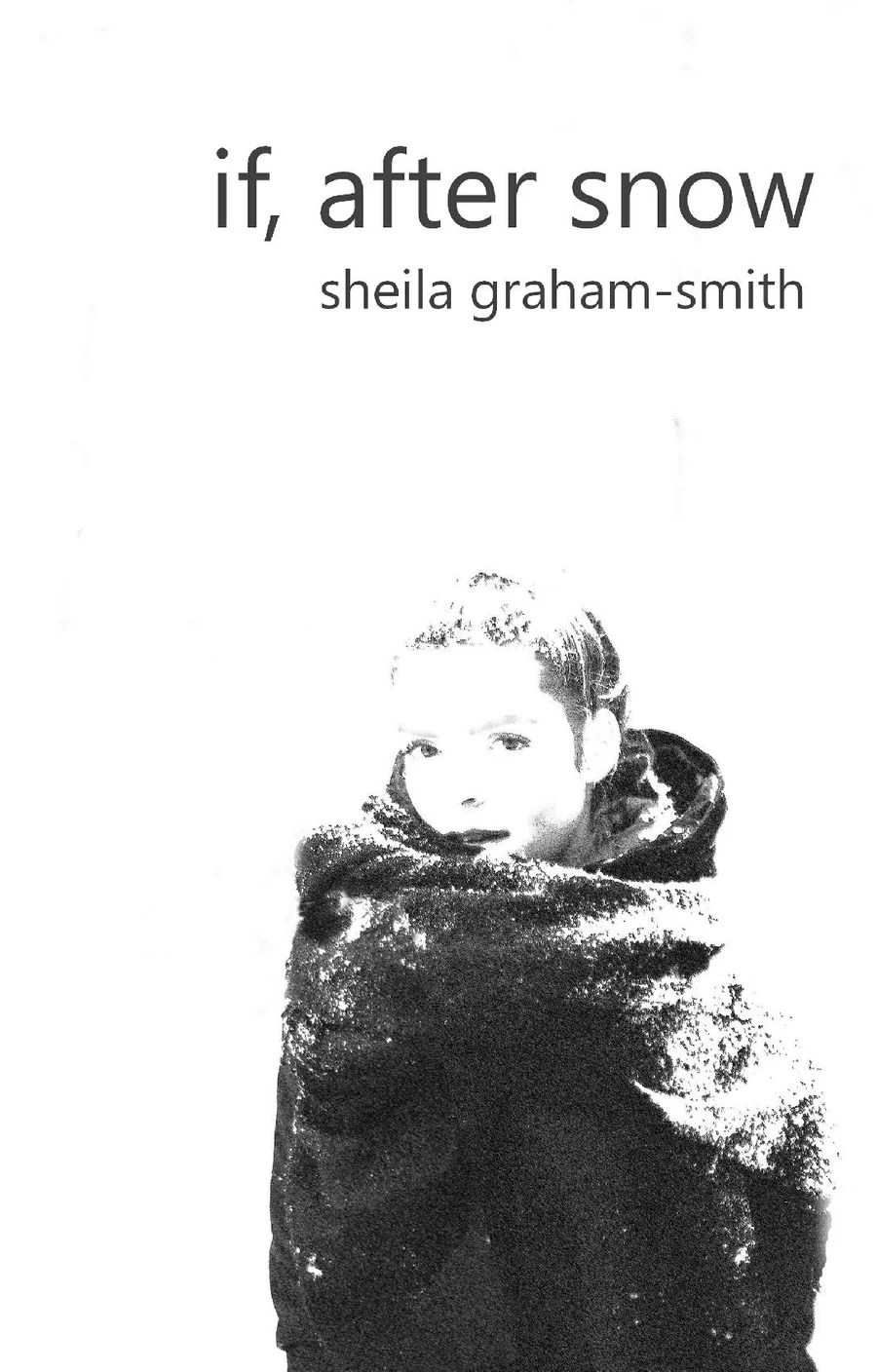
For all our exposure to wind-chill factors and our jokes about shovelling driveways, we Canadians have not always cultivated the intimacy with winter’s vicissitudes and possibilities that characterises other northern cultures. Graham-Smith quietly but firmly redresses that possible omission in “If, After Snow.” The book’s enigmatic cover could be an overexposed photograph taken during a whiteout. The plot unfolds like gently falling snow gathering momentum until arriving at the inevitable storm and its morning-after digging out.

The novel is set in late winter along a snow-bound stretch of the Fundy Coast. Carl Zoëga, facing a terminal illness in his 90th winter, has fled the seniors’ complex in Montreal where his well-meaning son Coby placed him to live out his final weeks with his daughter Miriam, a world-class cellist and experimental composer, at his summer home in the Annapolis Valley. In the neighbouring farm, Kip, a writer who has also taken winter refuge, is struggling to understand his life in light of a collapsed marriage, the death of his own father, and his consequent writers’ block.

Of course, the protagonists meet. With her preternaturally pale skin, her snowy hair, and her half-wild attention to the natural world and comfort in silence, Miriam physically embodies winter. Carl is a native Icelandic speaker, and stranger neither to winter, nor to a certain type of stoic Scandinavian philosophy. He represents the wisdom not only of his years, but also of the way that fate chose him, decades earlier, to be the father of Miriam and Coby.

“Not much can prepare a person for death but love is most effective. Only in those two instances do we give ourselves so completely to the unknown. To the other. And in the case of love, we do it willingly, so it’s like a practice run” (Carl, 155).

Carl had been a 60s-something single man placing groceries into his car when a desperate-looking young woman got her grocery cart stuck in the snow beside him. She asked him to watch the cart and a baby and older sister while she ran back to the store for her purse. She never returned, and Carl became the parent of two children “in none of the usual ways.”

Although the novel’s point of view shifts between protagonists, and the reader is privy to the thoughts of all the characters, it is Kip with his stumbling questions and his fears of mortality who most stands in for the reader. Carl’s – and sometimes Miriam’s – words to Kip are intended for us. The conversations between the three turn out to be as beautiful and delicately fragile as winter hoarfrost.

“the world continues to offer itself as solace for what can’t be cured” (Miriam, 254).

My only moments of readerly disengagement with this extraordinary novel happened during its penultimate pages, during those conversations I was most enjoying. The ability of nearly all the characters at that point to recall complex philosophical arguments in their entirety and never to stoop to banality or small talk (or to ribald humour, a well-loved Maritime trait) at times broke the spell Graham-Smith had otherwise so successfully cast for most of the book.

The author leaves us with both a quiet life wisdom and a profound learning reminiscent of Marilynne Robinson in Gilead. Kip’s writerly realization – and his breakthrough in his fear of death – is perhaps Graham-Smith’s nod to the writers’ craft:

“he had been looking, he realised, not for language to acknowledge life, but language to contain it” (Kip, 319).

If, After Snow successfully acknowledges life, and hope, and love – and even spring – while never trying to control or contain any of them. The novel ends with a funeral, and yet it is not (as Byron would have had it) therefore a tragedy. Perhaps this is because of a quiet glimmer of relational warmth in the final pages. But for me the theme is found more in the Icelandic phrase from Carl that Miriam repeats as an epithet at the funeral, and which brings us back to the gift of how this is a properly Canadian winter novel. Halda fyrir veðri: “stand before the wind.” “We used to stand on what we called the seaward ramparts of Fort Anne,’ Miriam says, “holding hands, in blustery weather. For exercise, Carl said. For practise (335).”

“Stand before the wind…for practise.”

In all those dark, Nordic narratives, winter is not really an enemy. Its hardships are real, but they’re ultimately generative. Winter, the season, is a chance to listen, to gather together, to tell stories, and to hold on. The title If, After… (an allusion to the Sappho fragment and Anne Carson book If not, Winter) says it all. Sheila Graham-Smith’s novel is a bleakly beautiful reminder to hold fast to one another in whatever winters we experience, and to always practise love, but especially in the face of death.

Matthew Anderson

January 2026


[1] Bob Joseph, Indigenous Corporate Training: https://www.ictinc.ca/blog/11-things-you-should-know-about-aboriginal-oral-traditions

Categories
stroke-recovery Uncategorized

Strokeaversary: All the Things It Wasn’t

This week, something unusual happened.

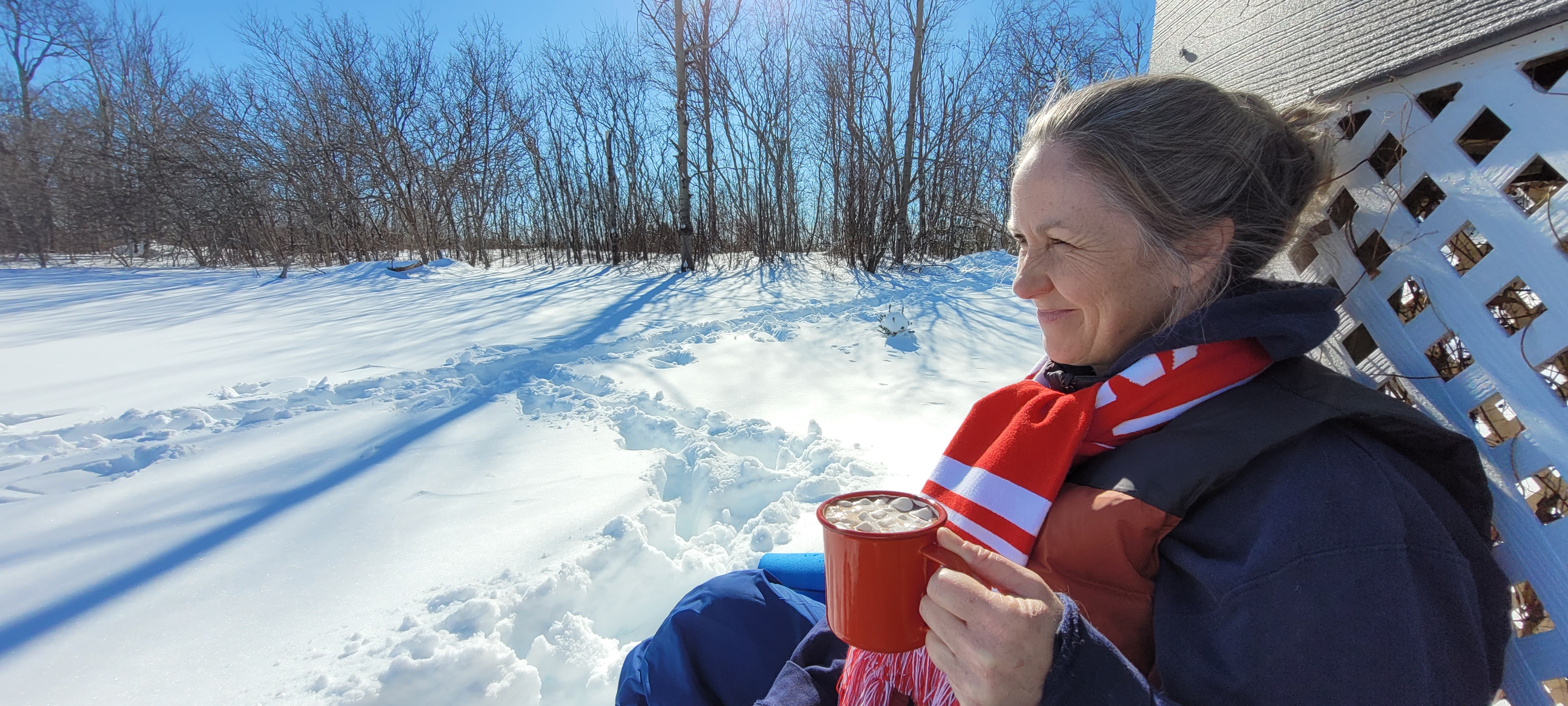
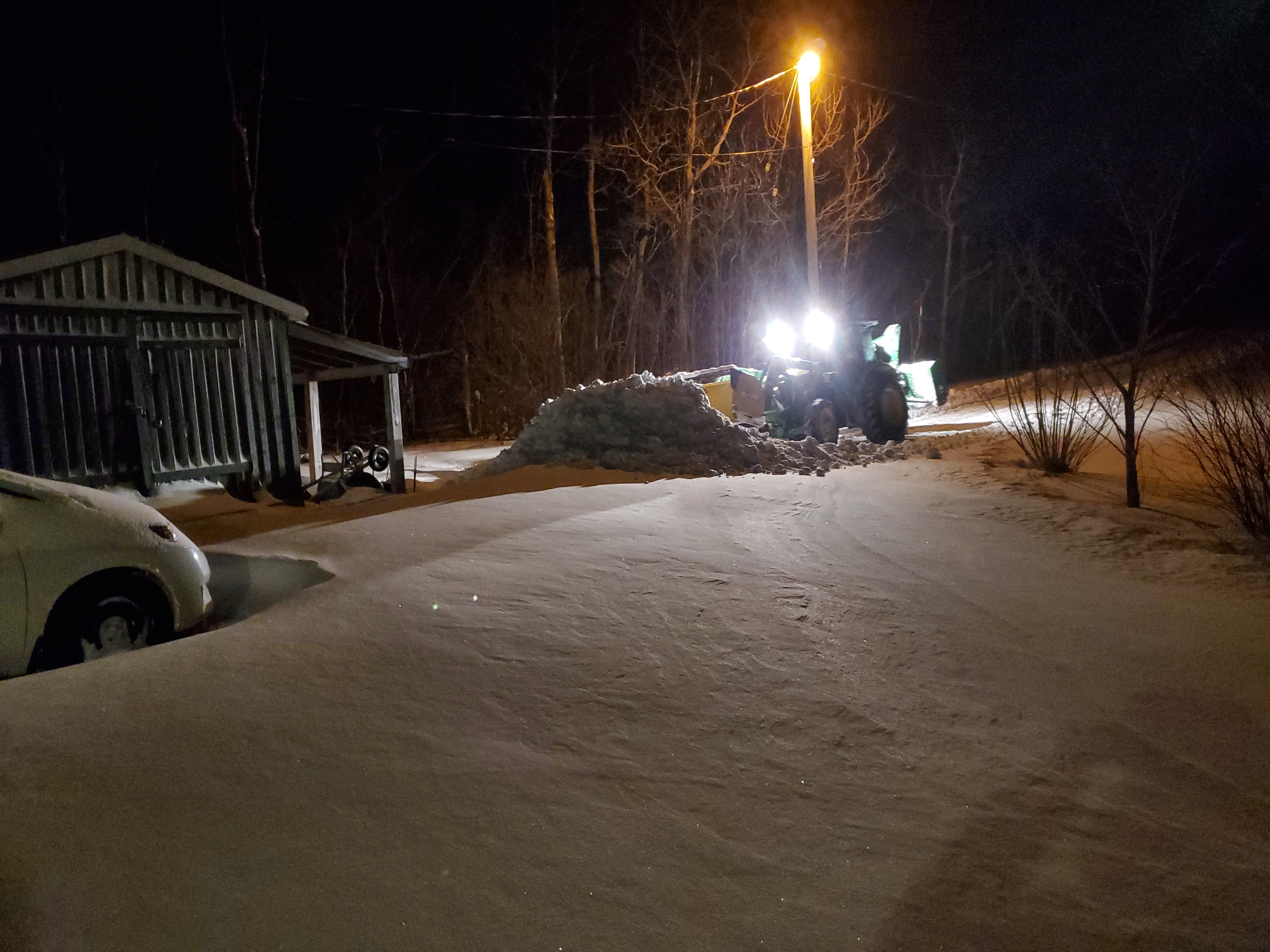
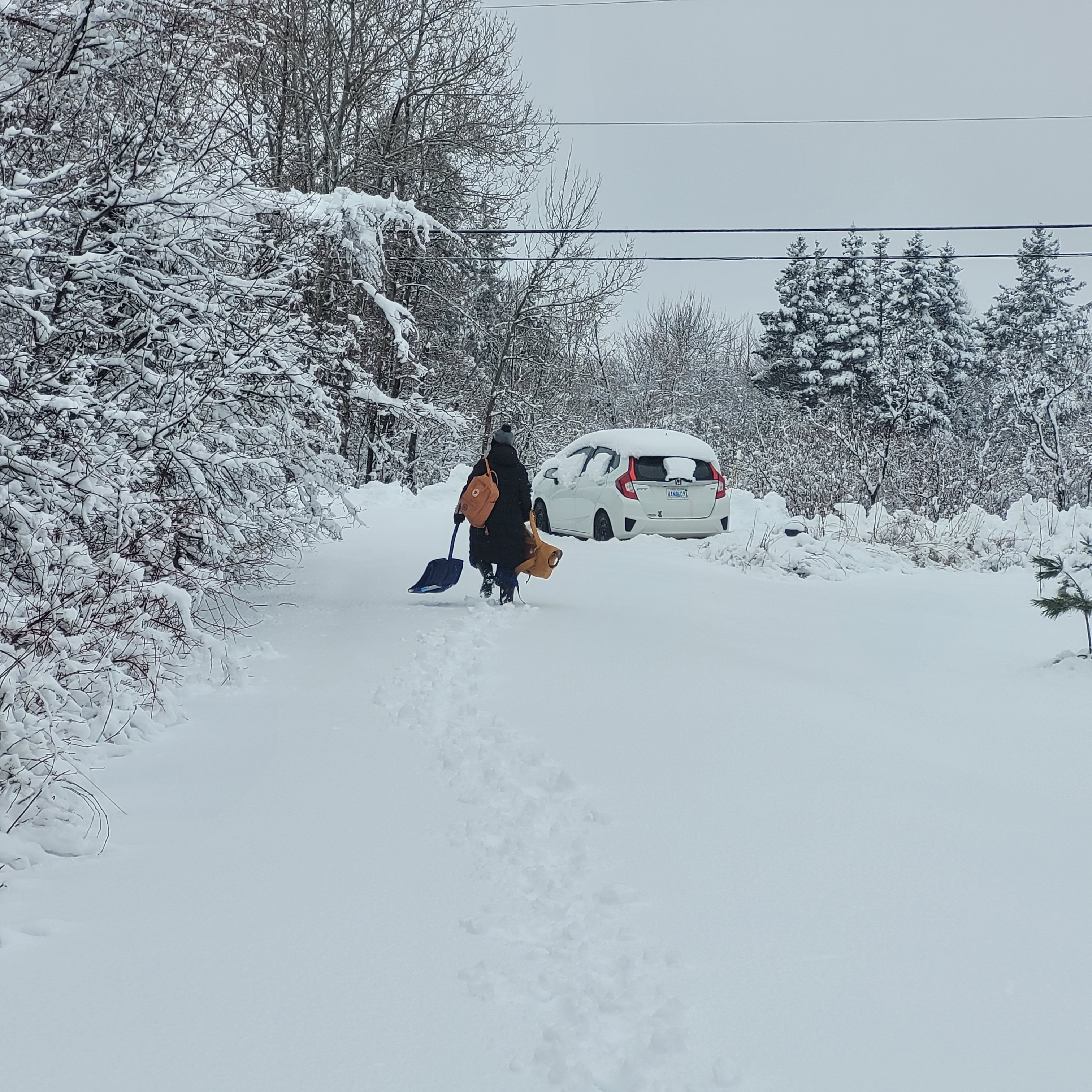
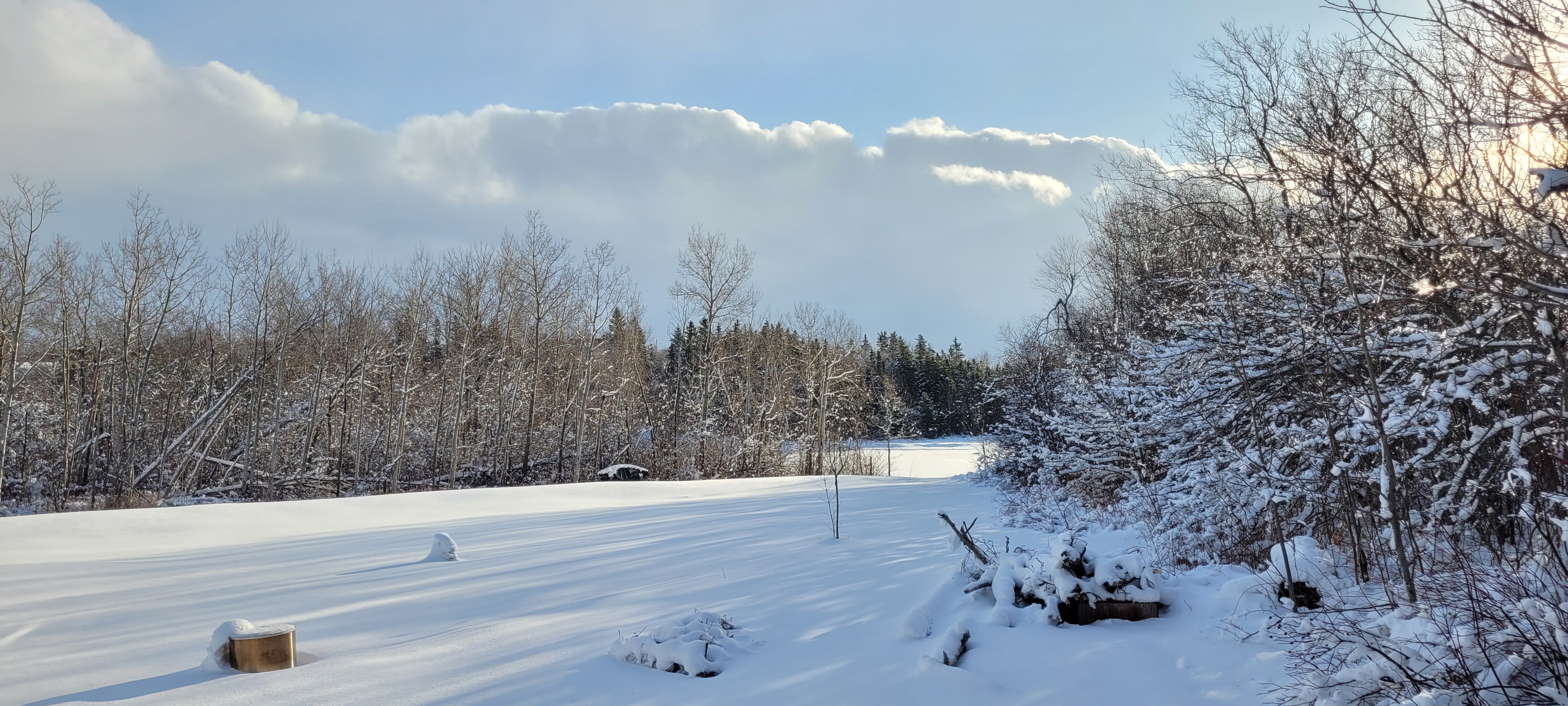
It wasn’t the snowstorm. Having to park the car by the road at the end of our lane to be sure we can get to work in the morning isn’t that strange, even though the snow-laden trees are beautiful. Here in Pomquet, in Antigonish County, a storm day requiring our neighbour to come plow us out is starting to feel like a bi-weekly event. I had some trouble keeping up with Sara on her march to the car. But no, it wasn’t that.

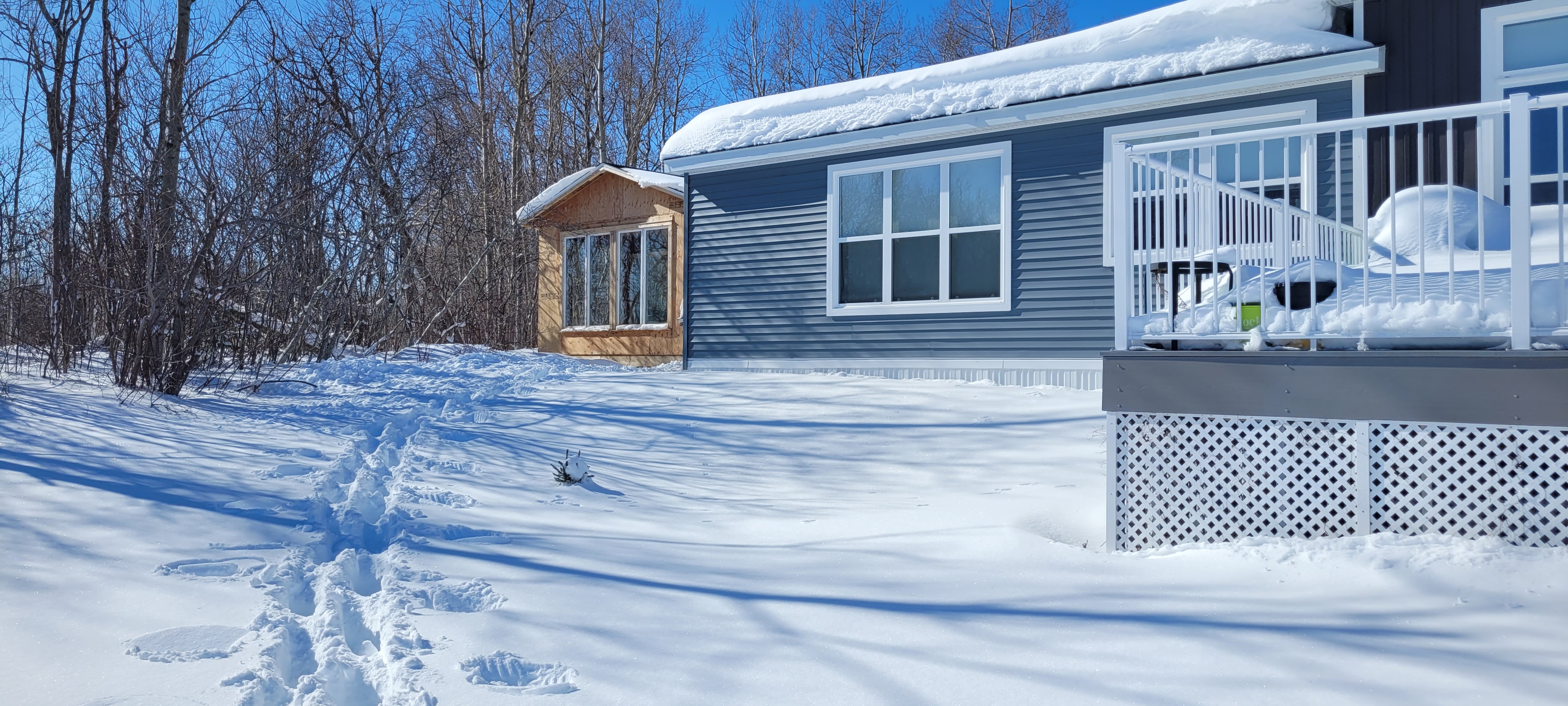
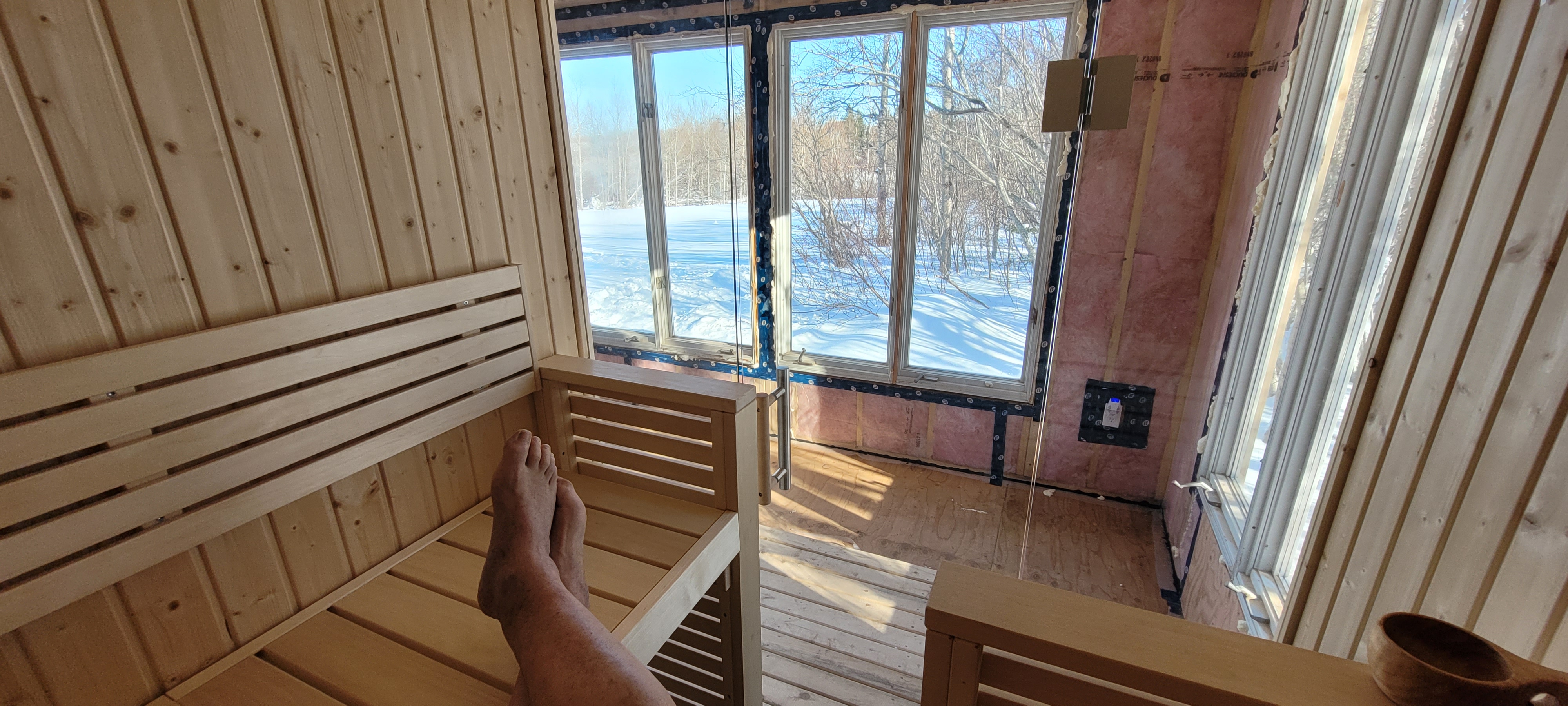
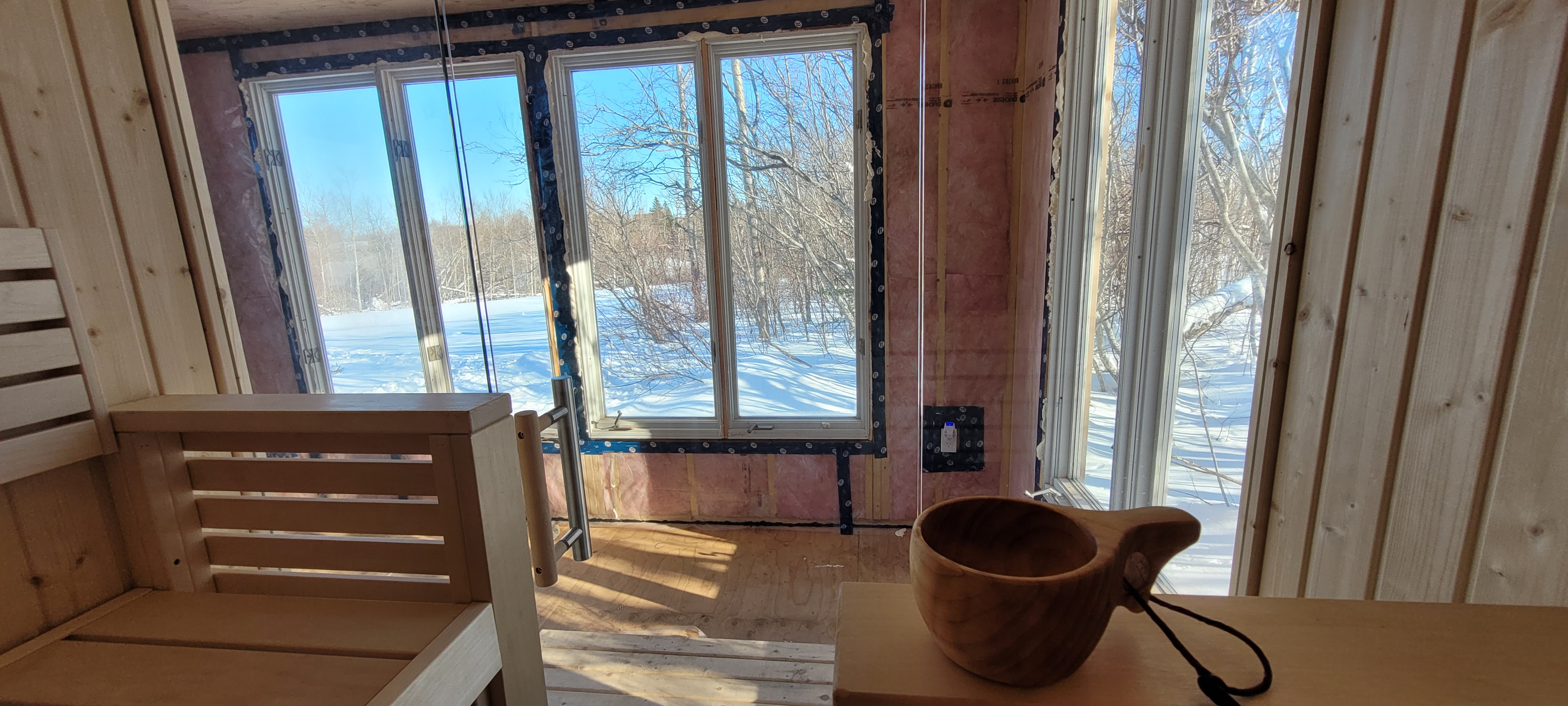
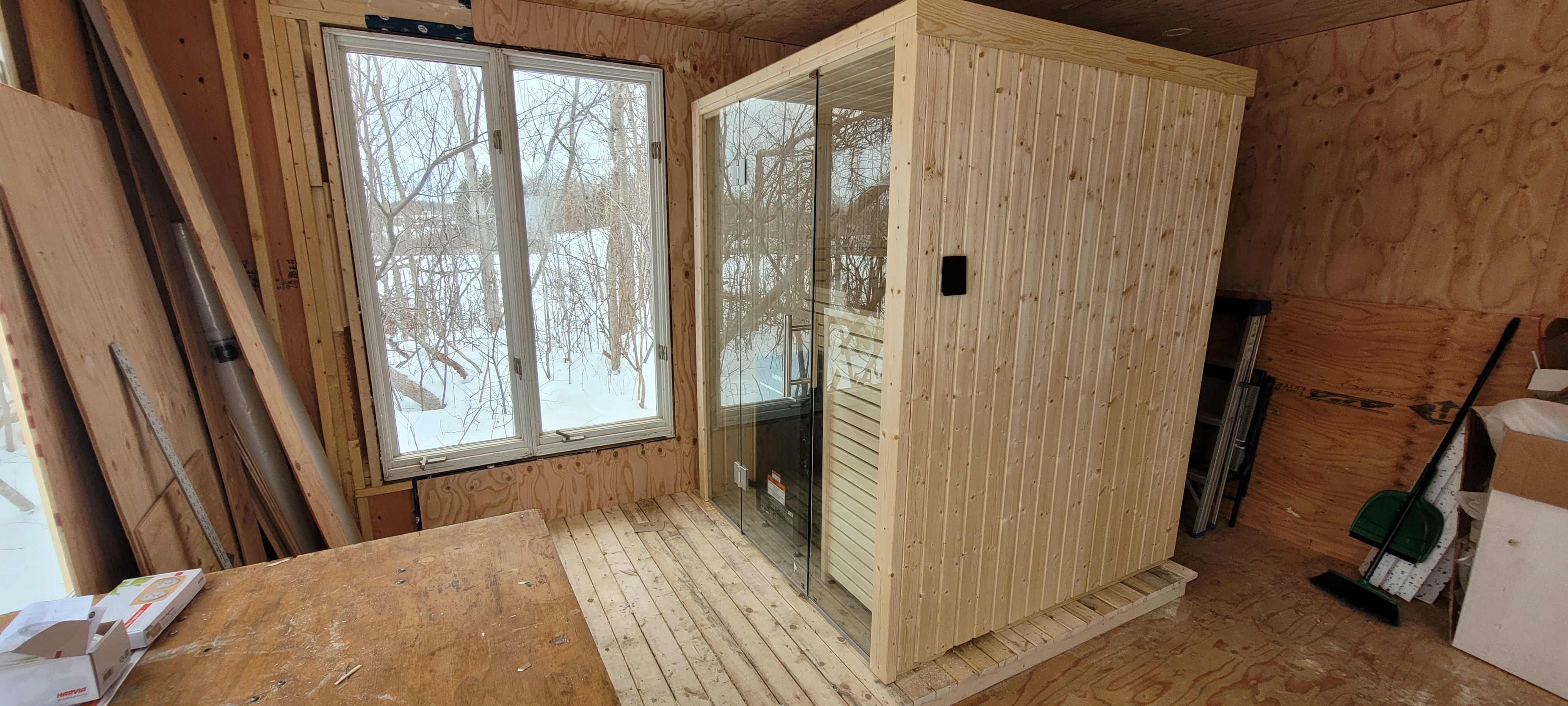
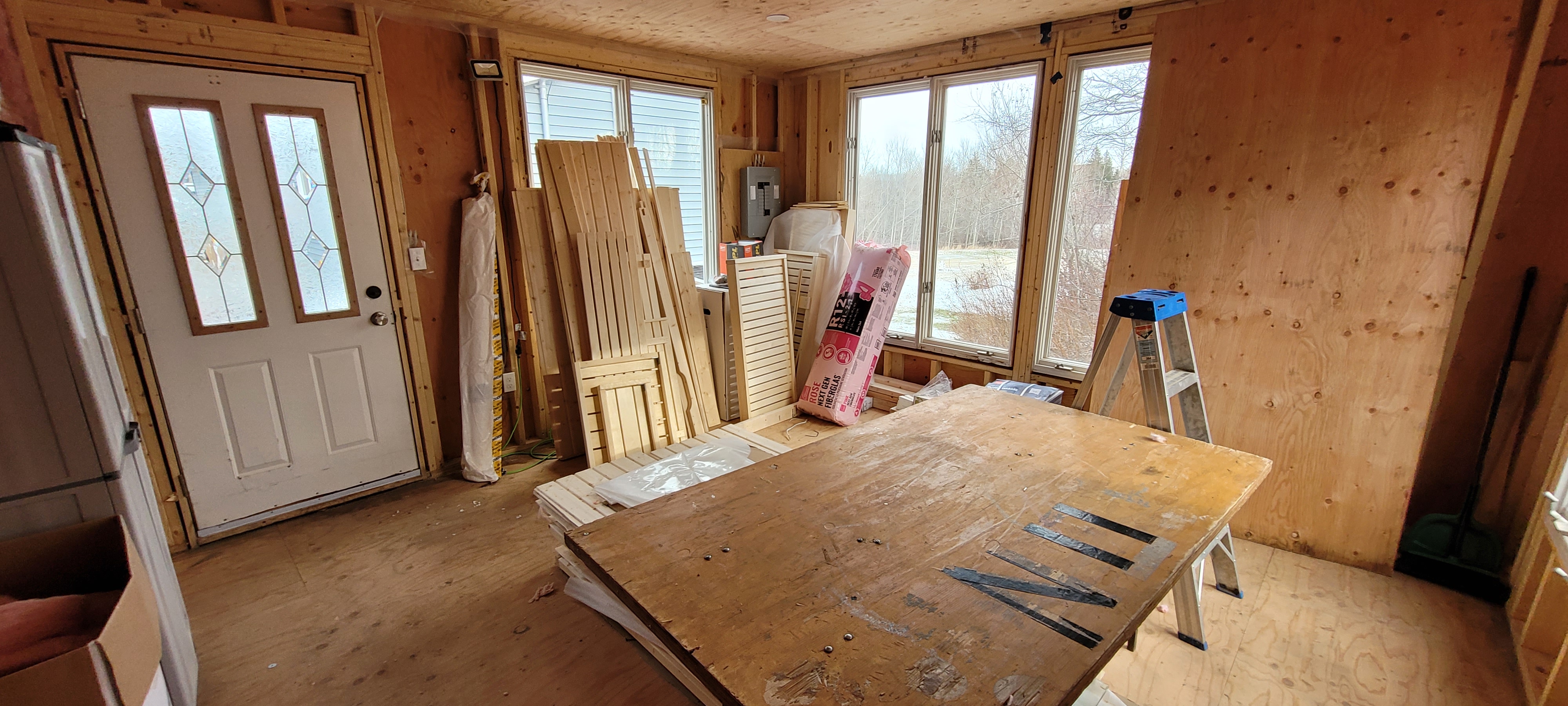
Nor was it the sauna. In December, on receiving unexpectedly good news after a scary cancer test, I decided I’m not getting any younger and I’d buy that sauna kit I’ve dreamt of for years (ever since being pastor to the wonderful Montreal Finns and enjoying the rite with them). With the help of local carpenter extraordinaire Evan Theriault (Theriault Timberworks) I’m hoping we soon have our very own sauna in action for relaxing in this deep-freeze. That will be great. But no, it wasn’t that.

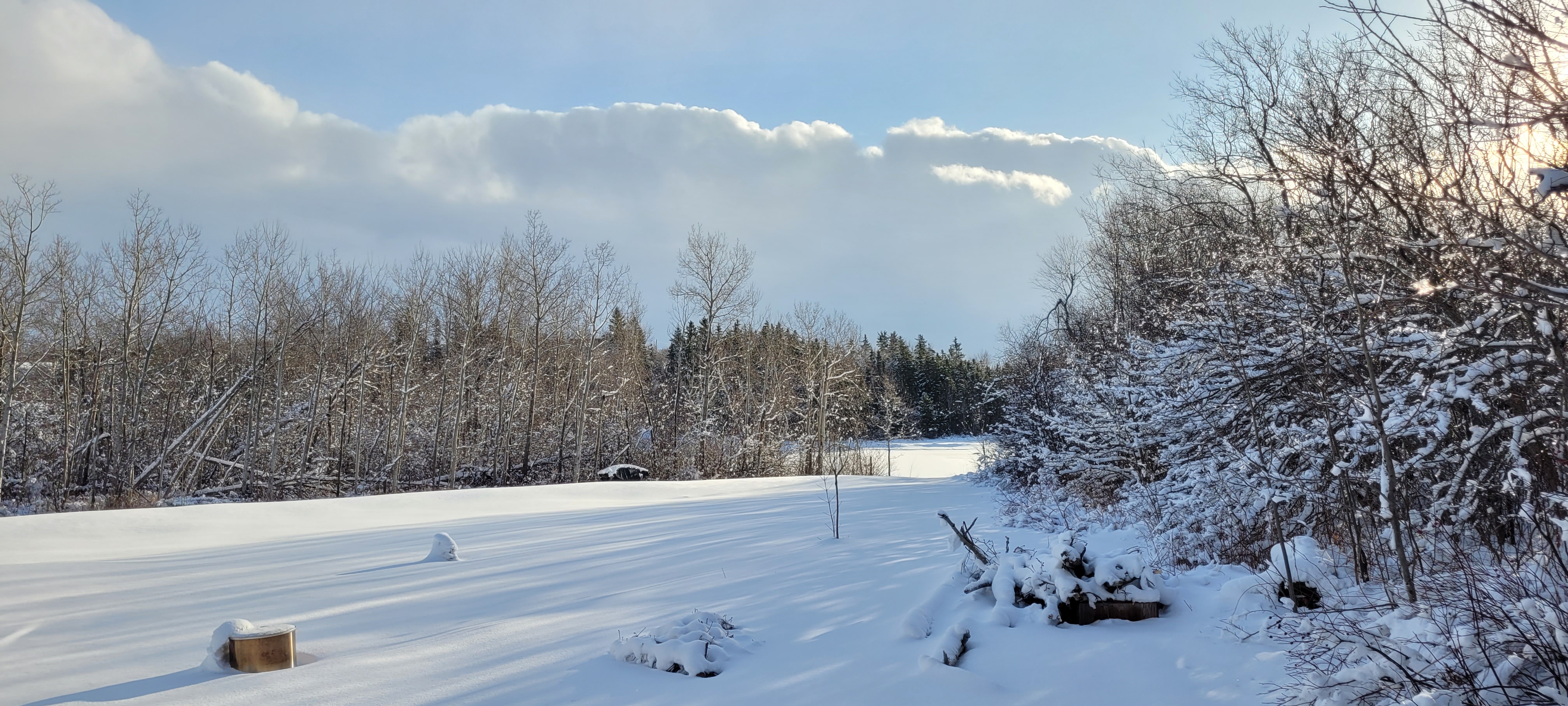
And no, it wasn’t that I’m starting to feel increasingly guilty about my handicapped parking sticker. Yesterday I felt badly using the space at the Farmers’ Market, although in the end I’m glad I did, since my balance on ice still isn’t the greatest. I’ve started to leave spots closest to the door for those who need them more. I guess that says something about my recovery and the general improvement to my walking! It’s easier and easier for me to tramp around the property, even on days like this (see below). But it’s still not that.

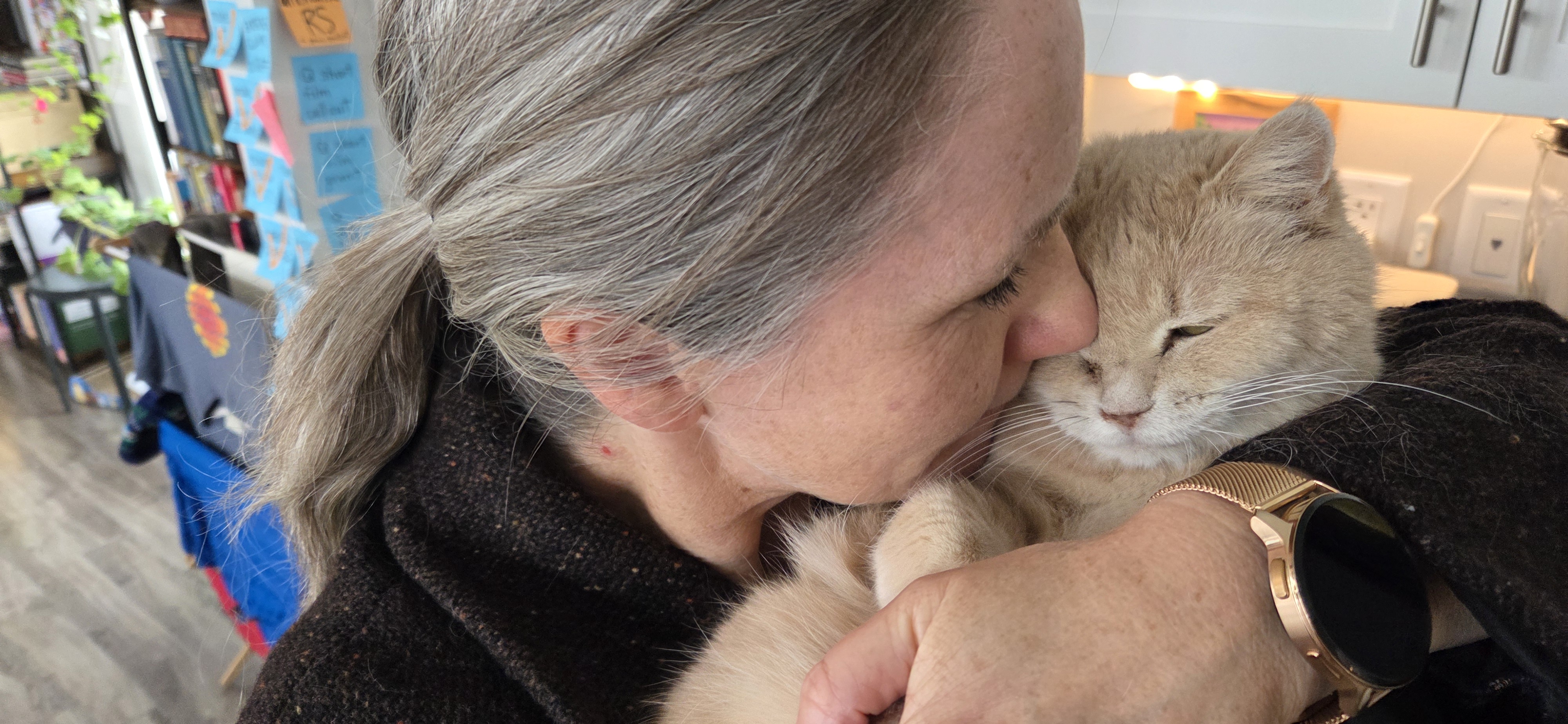
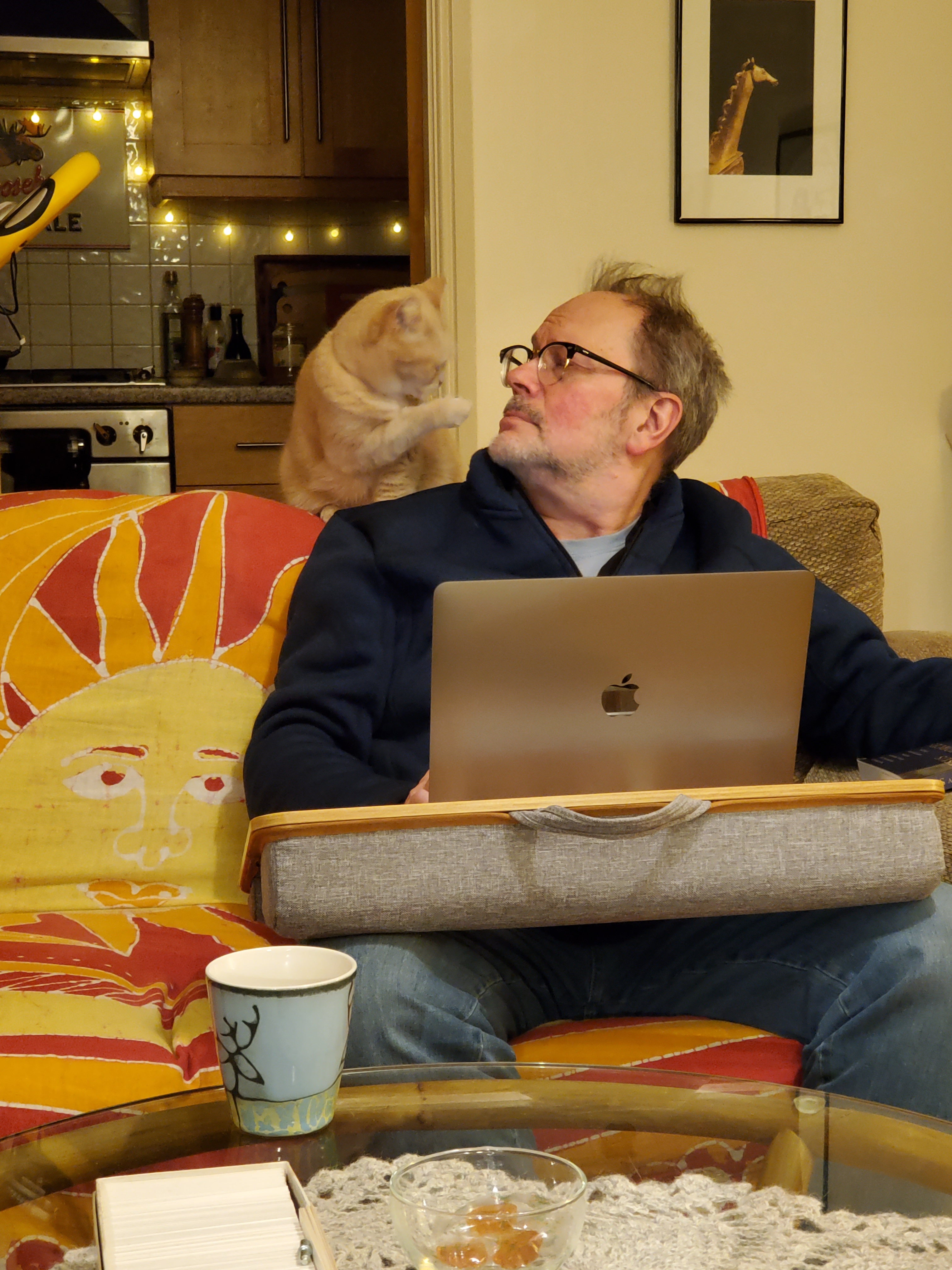
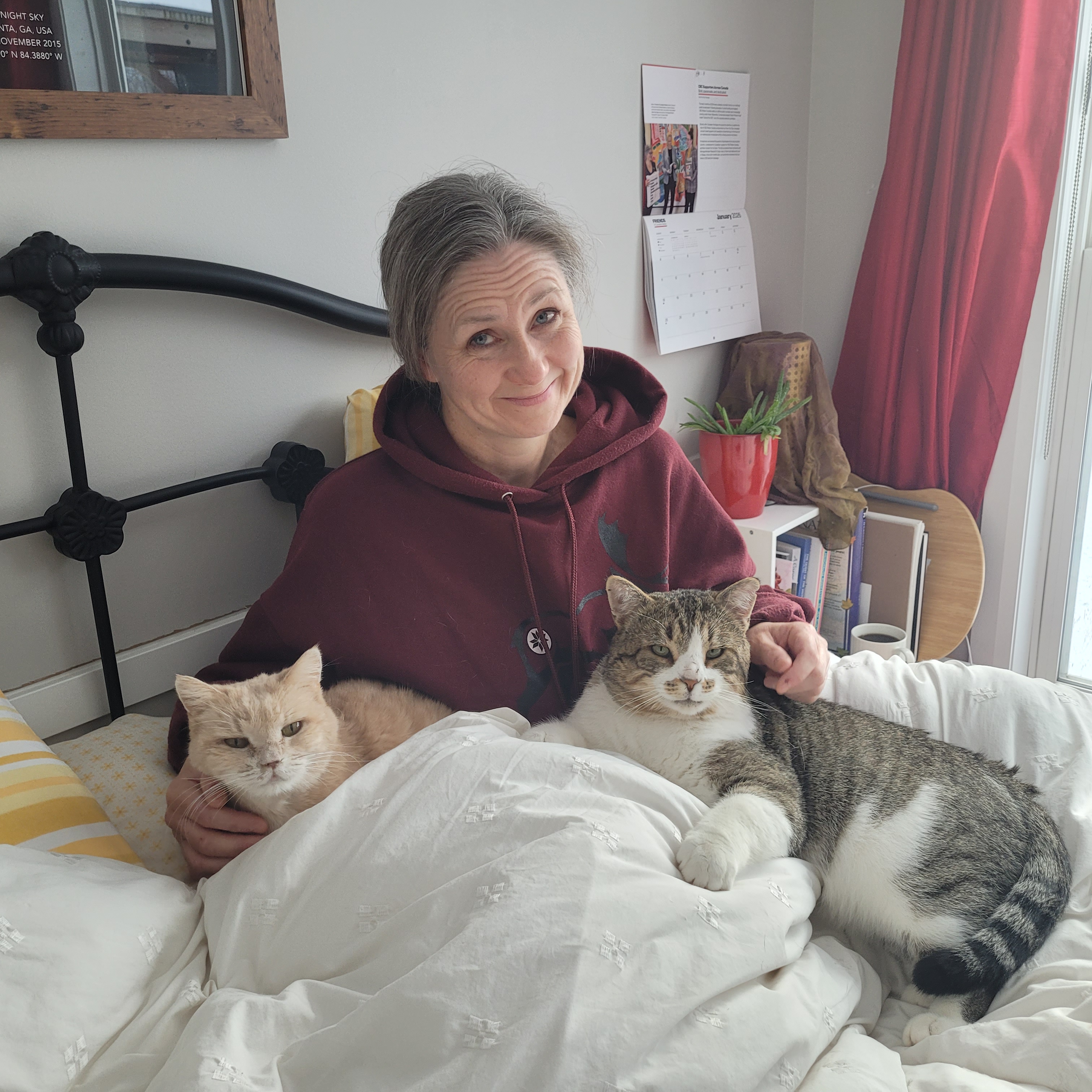
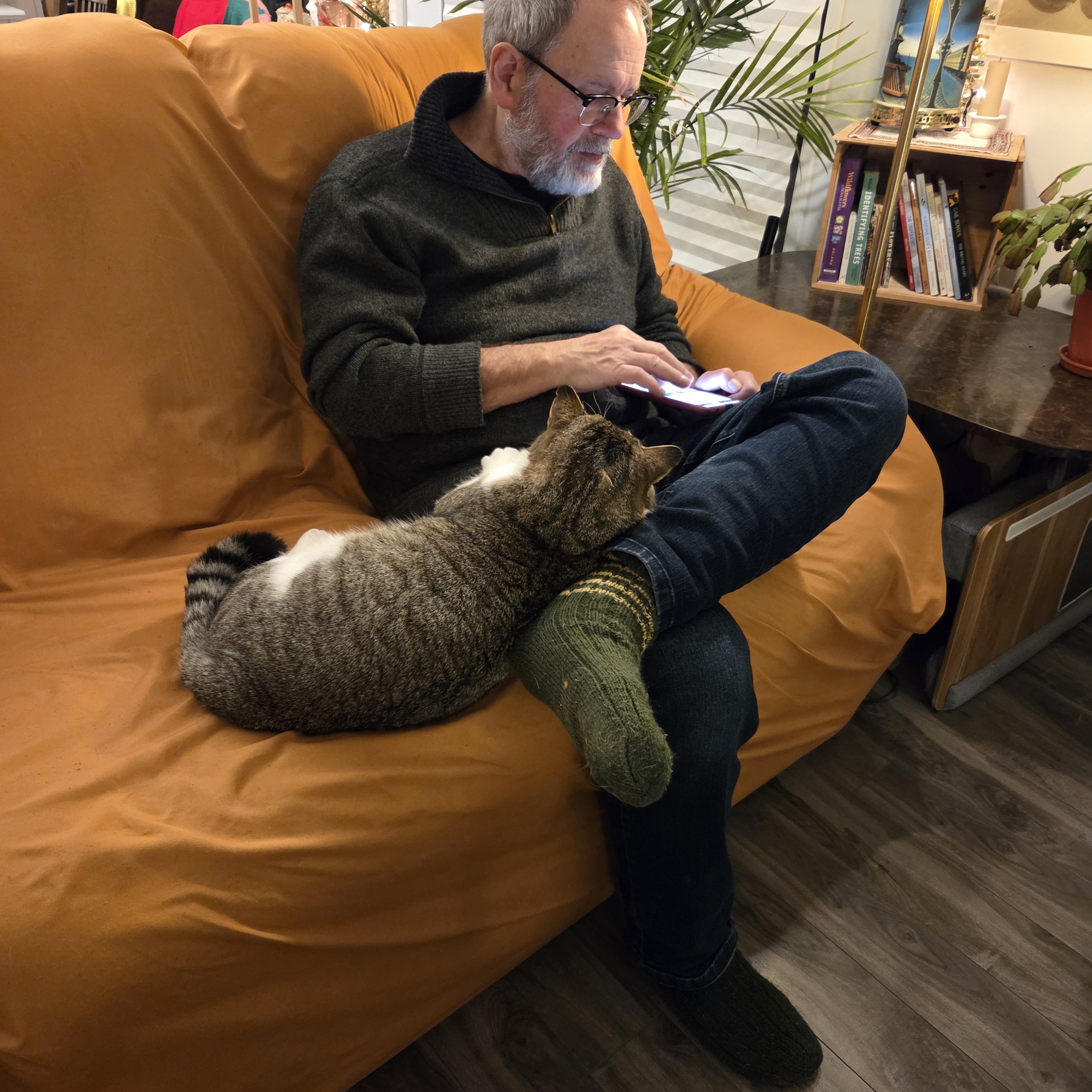
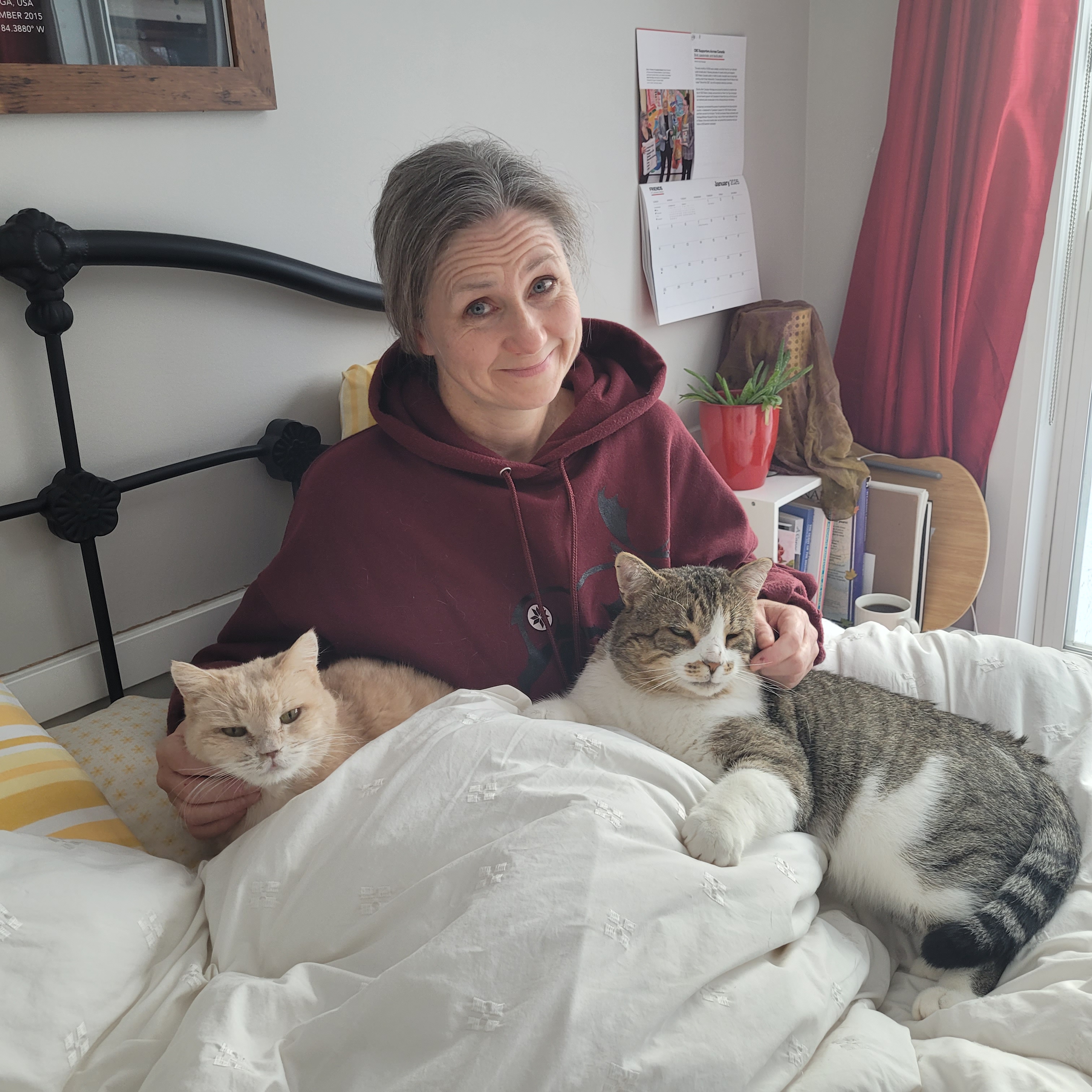
Nor is it that the big, furry feral feline we named Theodore, whom Sara trapped, neutered, and had patched up by the vet for his infected paw injury, didn’t immediately spring back out into the wild on his release. Instead he surprised us by turning into some kind of indoor love-bunny. He has apparently decided to adopt us. He’s incredibly smart and affectionate. As a dog person and someone with mild allergies I don’t encourage Theodore too much, but he seems to think I’m okay. We’re warming up to each other. But it’s not that either.

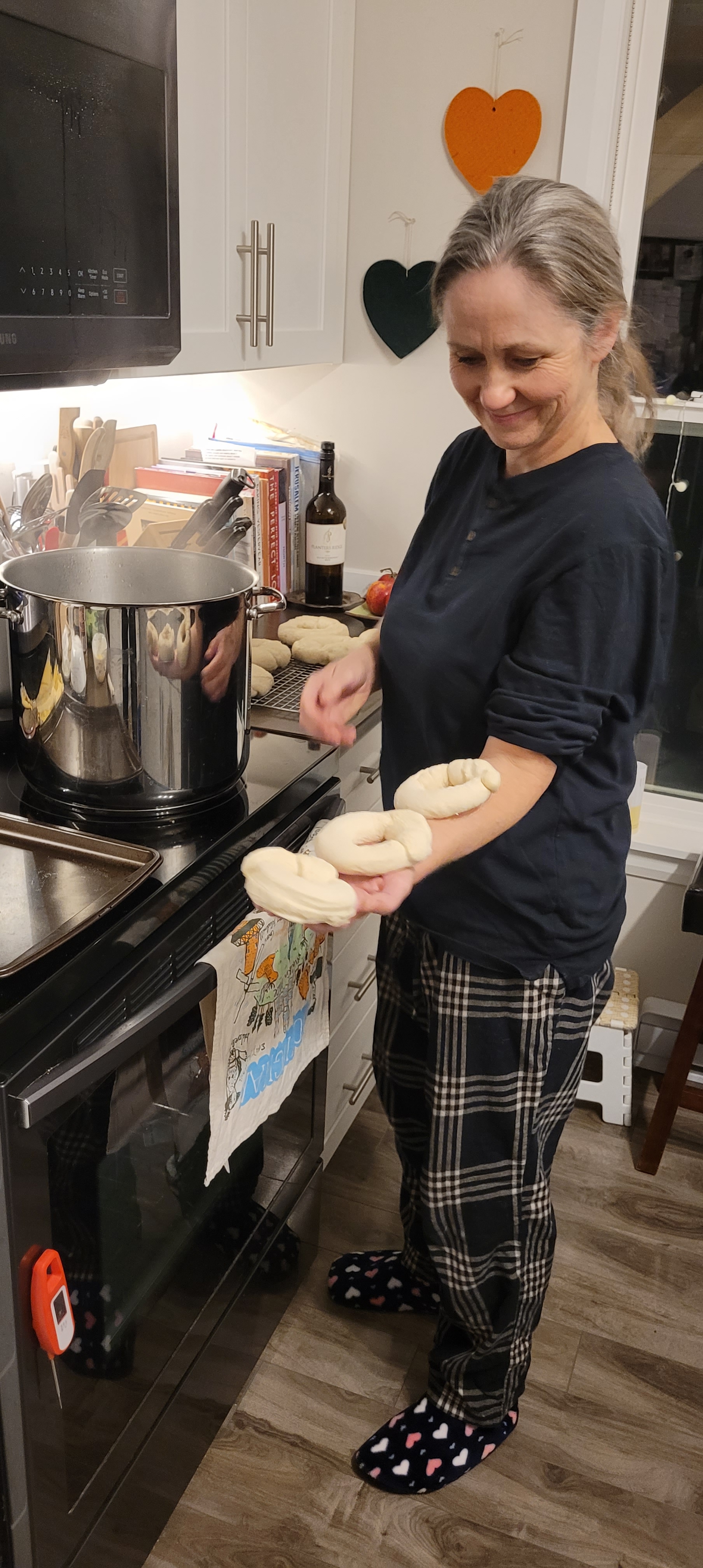
Nor is it that Sara tried her hand at making bagels (Montreal-style, of course!). As I write this I’m enjoying that yeasty, honey-laden smell and taste, and I can’t wait to try them with cream cheese. A rare delight and pleasure, indeed! (Recipe here). But no, not that…

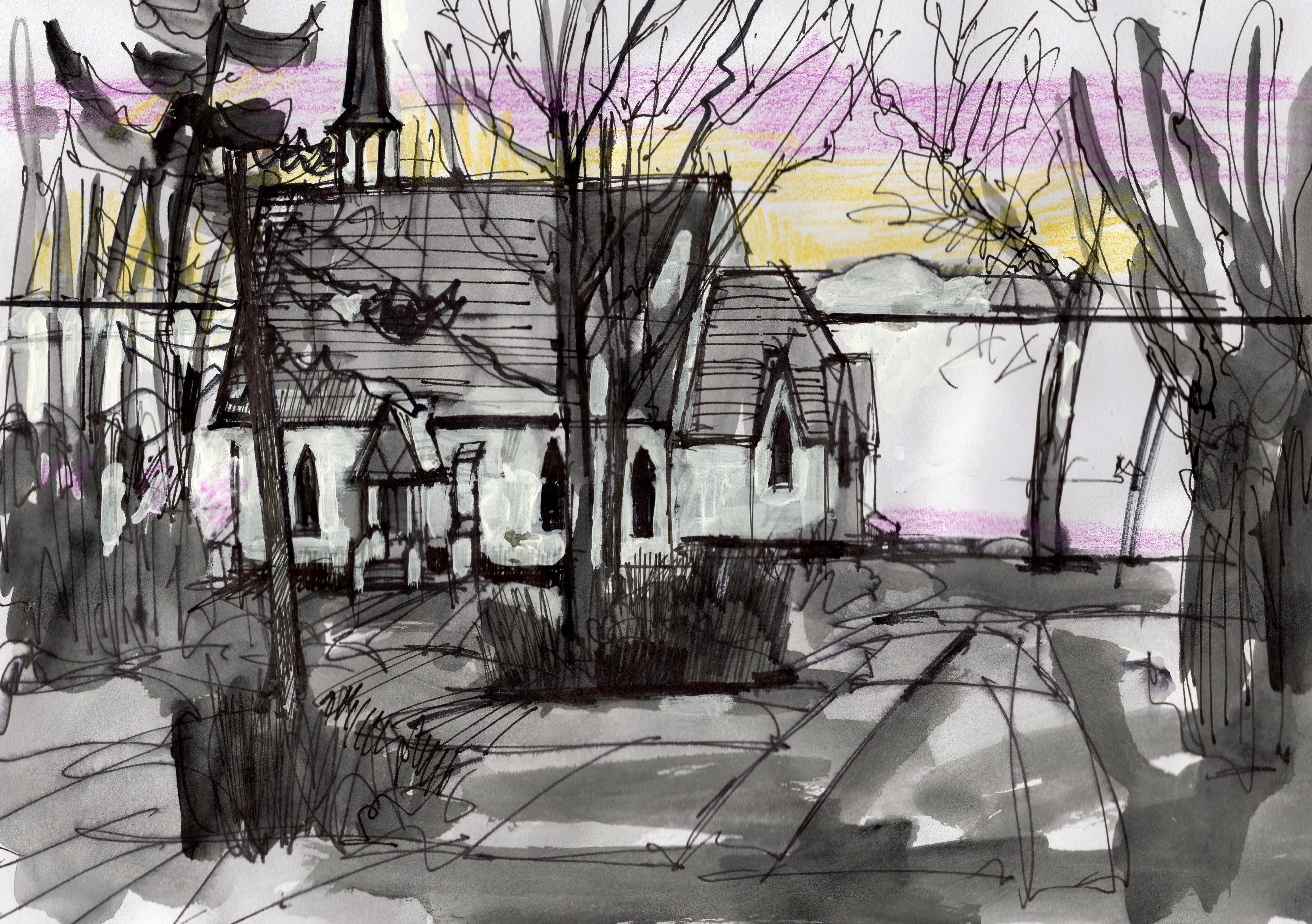
Finally, it’s not that for the first time in months I dusted off my completed novel manuscript and read through it again, and I still think it’s great! I’ve been inspired to start sending it out to publishers again. The drawing below is from my friend Robert Aubé (more at his website). The novel is set in the very real location of St James Anglican Church, Cacouna QC. I’m rejuvenated. But no. Not that either…

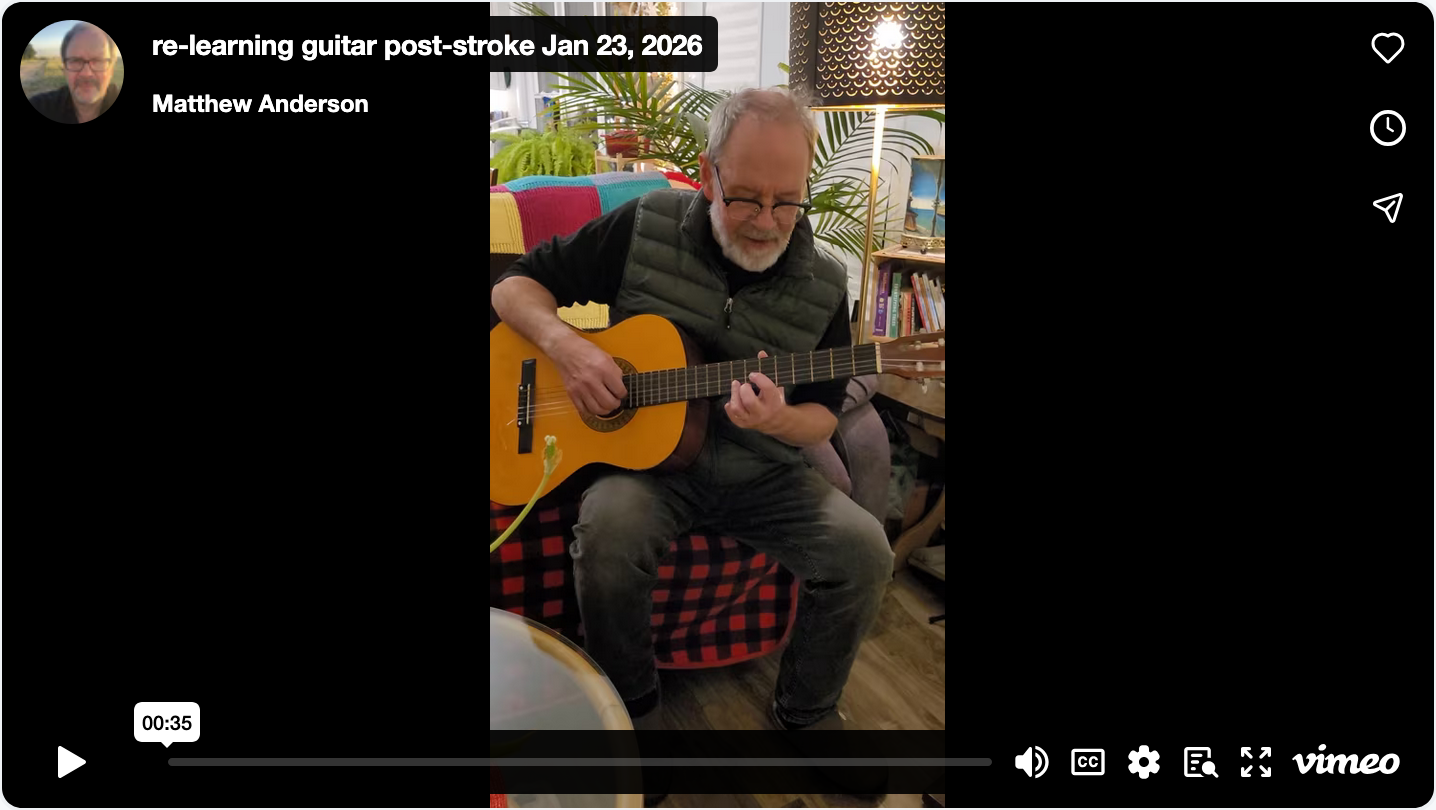
What it IS, is that this last week I had Sara film my daily attempts at guitar. Every day I try to get my left hand fingers to move better by practising my playing. Here’s where I’m at post-stroke as of yesterday: https://vimeo.com/1157626018?share=copy&fl=sv&fe=ci

And here’s where I was pre-stroke, with that same piece (and with help from my youngest). I hope someday to get back to this level: https://vimeo.com/433444043

No. What actually happened this week that was unusual, was that I watched the recording Sara made, then the one from a couple of years ago. Then I broke down and cried.

I don’t weep like that often. It wasn’t from sadness, exactly, although I know I’ve lost much. I had to reflect a while on it. It’s complicated. While some of it was sadness, more of it was happiness – happiness I’m alive. Even though a year ago I could only twitch my thumb (and barely that), and now my hand has dramatically improved and is still getting better. Some of my tears came, I think, from realizing just what an endurance test recovery has been, despite the help and support of so many: the months of struggling with coats, and socks, and shoes, and bags, and silverware, and backpacks, and grocery bags, and everything else. Every day making the decision to use my left hand even though every time, it’s harder. (I just remembered to do it again, while typing this sentence.)

My point is NOT that congratulations are needed. There are lots of folks who’ve had it much worse. And there are certainly others who have to be much much more courageous. It’s that we are, all of us, emotional creatures, whole beings with needs, regrets, hopes, sadnesses, and joys. All. And life can sometimes feel the most beautiful, and the most rewarding, in precisely those times when it’s not the easiest.

I wouldn’t wish my stroke on anyone. But I was glad, this week, to go through such a heart-filling experience as that unexpected cry. Given the state of the world right now, we probably all need one.