Here’s a slice of hospital life from Nova Scotia:
Three elderly men, two with walkers, are standing in the hallway outside my room. “I was going to go home,” one says, “but all my neighbours are here.”
The second man, Jack, pulls out a photo developer’s envelope he carries everywhere. “Jack was attacked by a bear,” the third explains, pointing.
“Got photos?”
“Yeah, there’s five of ’em.”
“Five photos?”
“No, five bears!”
Jack hitches his pants before he regales them with the story: “I was working in the yard. Didn’t see him. He knocked me over the woodpile.” The second man takes the photo. Peers at the bear, then at Jack. “Prob’ly lookin’ for work,” he pronounces.
A visitor walks by, muttering to herself: “How many Donald MacDonalds are there in this hospital?”
Another visitor is about to walk into the room opposite when a passing orderly points to the “Contagion Precaution” sign requiring mask and gown. The woman dutifully dons a paper gown, calling out to someone deep in the room: “Donald, you’re on quarantine? You musta’ been a bad boy!”
I’ve been fortunate to hear from some of you who’ve also spent long periods in hospital. Many of your experiences were similar to mine: the frustrations of wheelchairs and bedpans placed out of reach, the fatigue and the ennui of having to strategize everything from blankets to bowel movements in ways the able-bodied don’t have to think about. The way that occasionally, new nurses who don’t know me ignore me, standing there with pen in hand to sign myself out for the weekend, and speak right past me to Sara as if I’m incapable of my own decision-making.
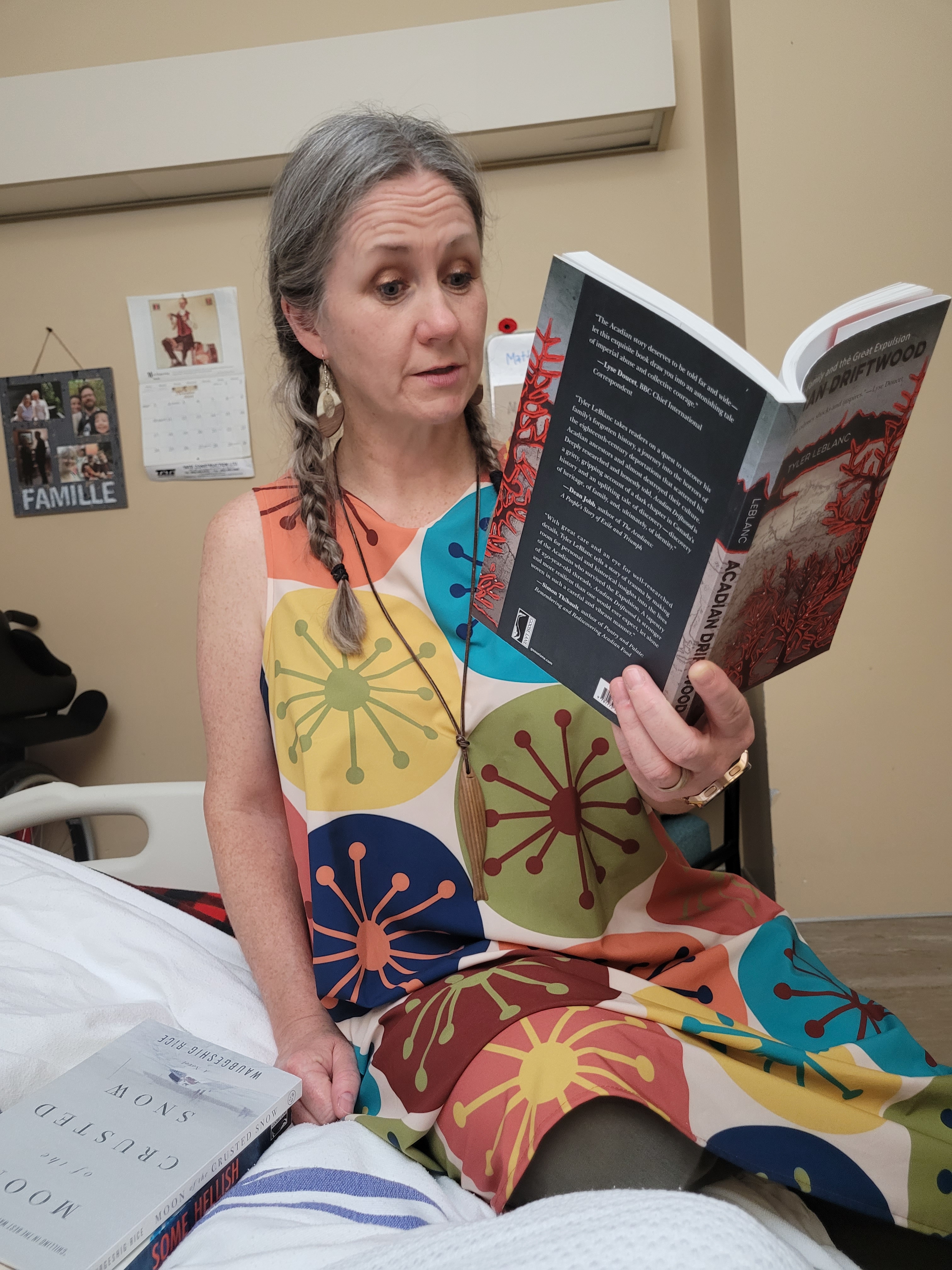
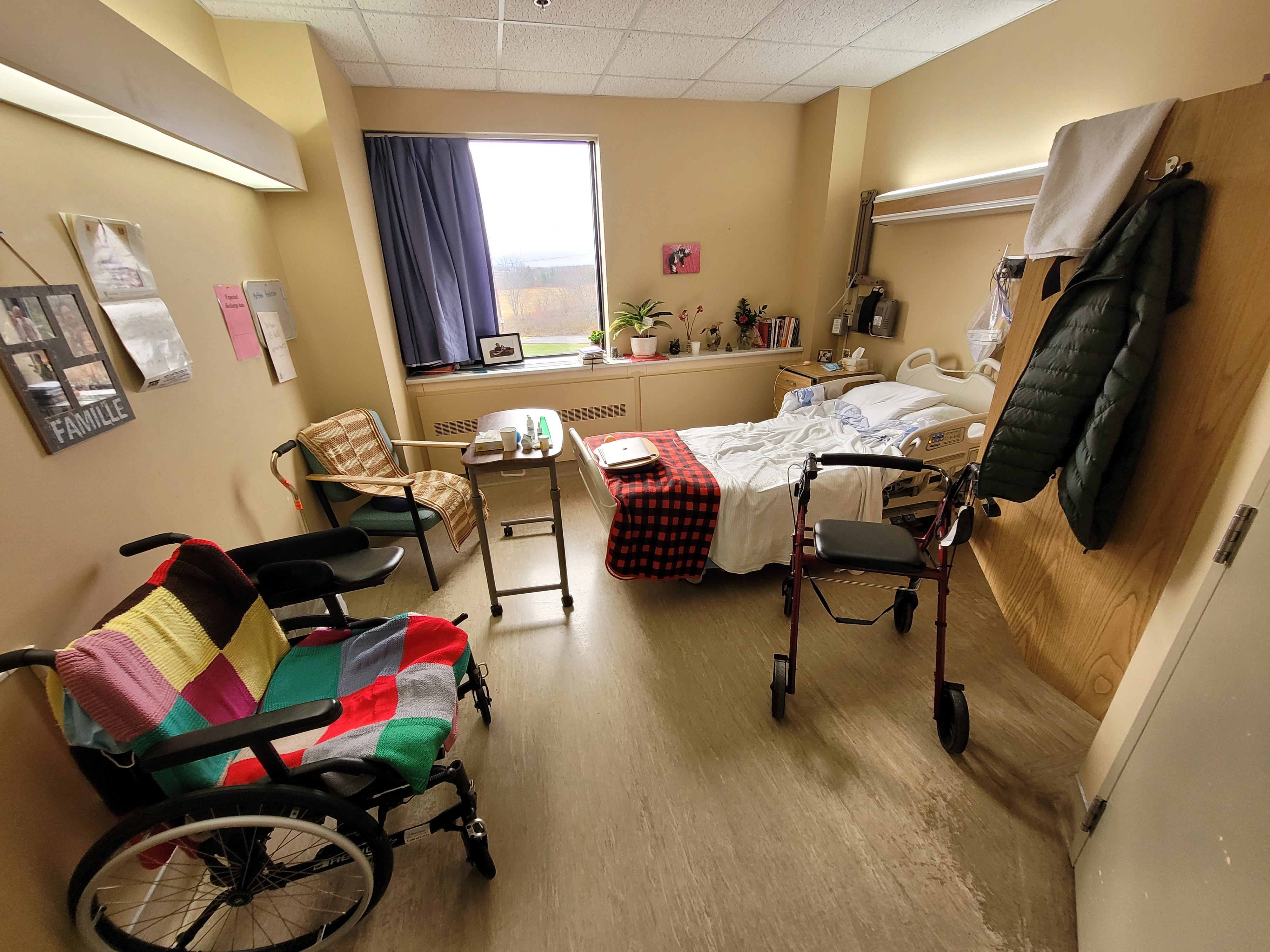
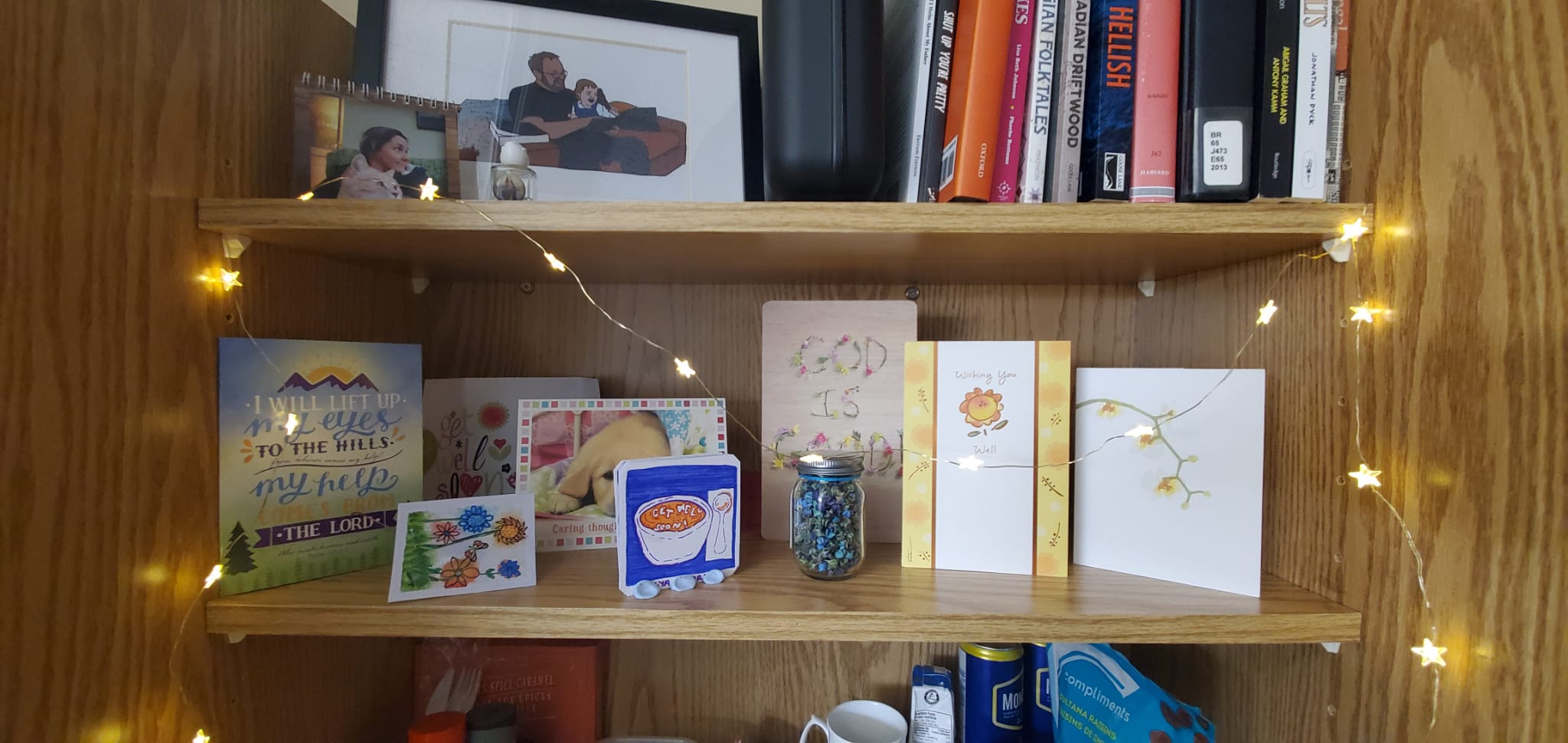
But there are also unique positives to being hospitalized in rural Nova Scotia. Overhearing the bear story, or Sara texting me to say she saw a bobcat at the end of our driveway on her way home one night, after her usual routine of tucking me in. What a gift to have her fussing around my room straightening things, reading to me, or sitting working alongside. (I am back into writing my Jerome project, part of my work as Gatto Chair at StFX. More than once, Sara and I have slipped and called my room, “the office”!) The atmosphere at St. Martha’s Regional Hospital is relaxed and humane; there are no set visiting hours–Sara is free to come whenever she can, stay as long as she likes, and to decorate my room with plants, lights, quilts, and art on the walls. Once last week four nurses came in just to see my room and breathe deeply. “It’s beautiful in here,” one remarked, “it’s the most relaxing room in the hospital!” I said only one word in response:
“Sara.”

Another distinction is delicious local food. I order from a small menu that includes a tasty seafood chowder that would cost quite a bit in a restaurant. You can have fresh poached haddock, or roast turkey with mashed potatoes, gravy, and cranberry sauce on demand. There’s excellent lemon meringue pie in the volunteer-run cafe. If you forget your wallet as I did one evening, they’ll just give you the item and tell you to pay it forward.
The portions do tend to be geriatrically small. Combined with the lack of snacks, butter, or oil (I’m on a cardiac diet), very few breads and pastas, and no glass of wine with dinner, I’ve lost 20 pounds since my hospitalization. All good – the weight loss puts me where I should have been anyway. But I wish it hadn’t taken a stroke!
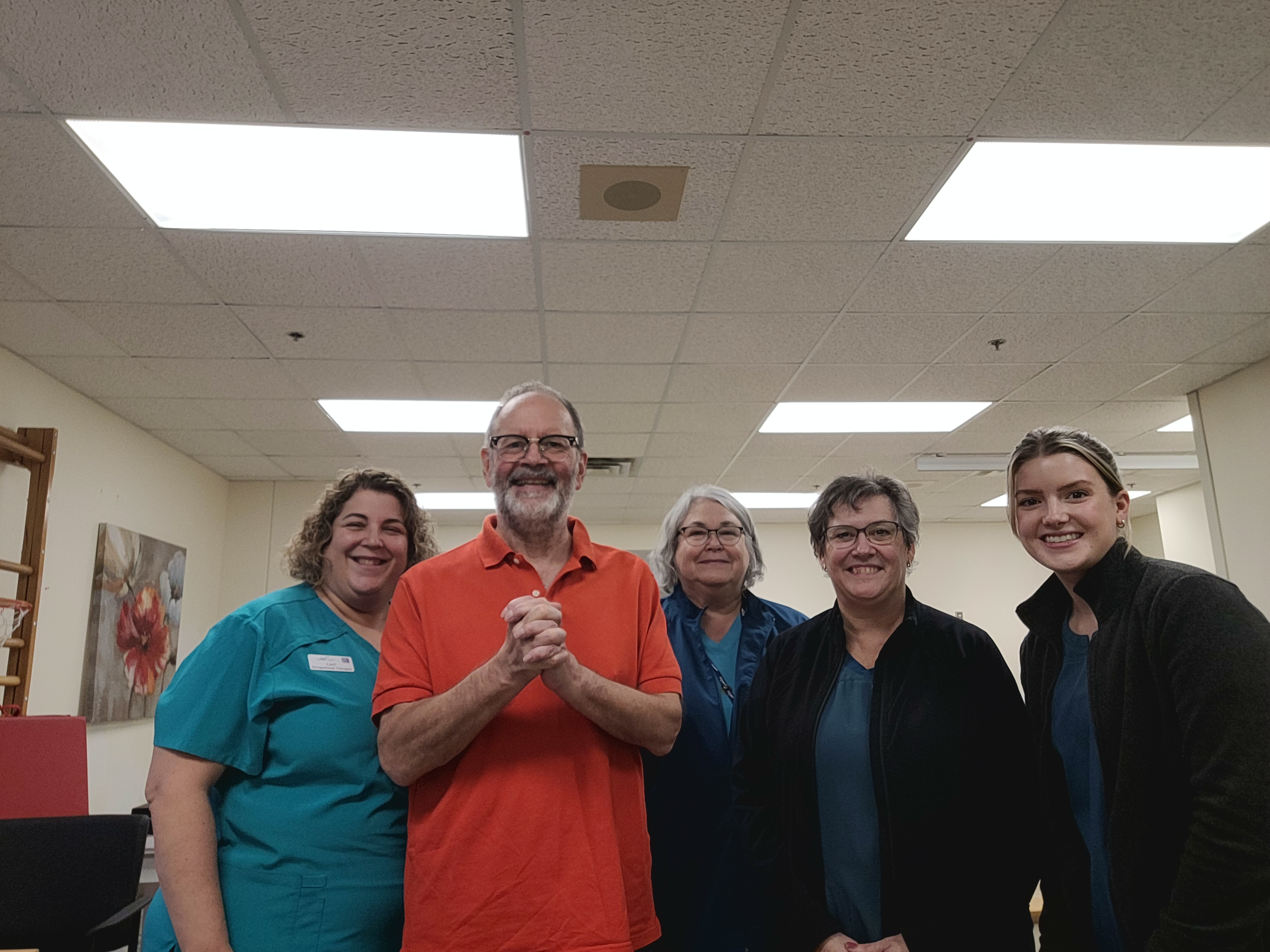
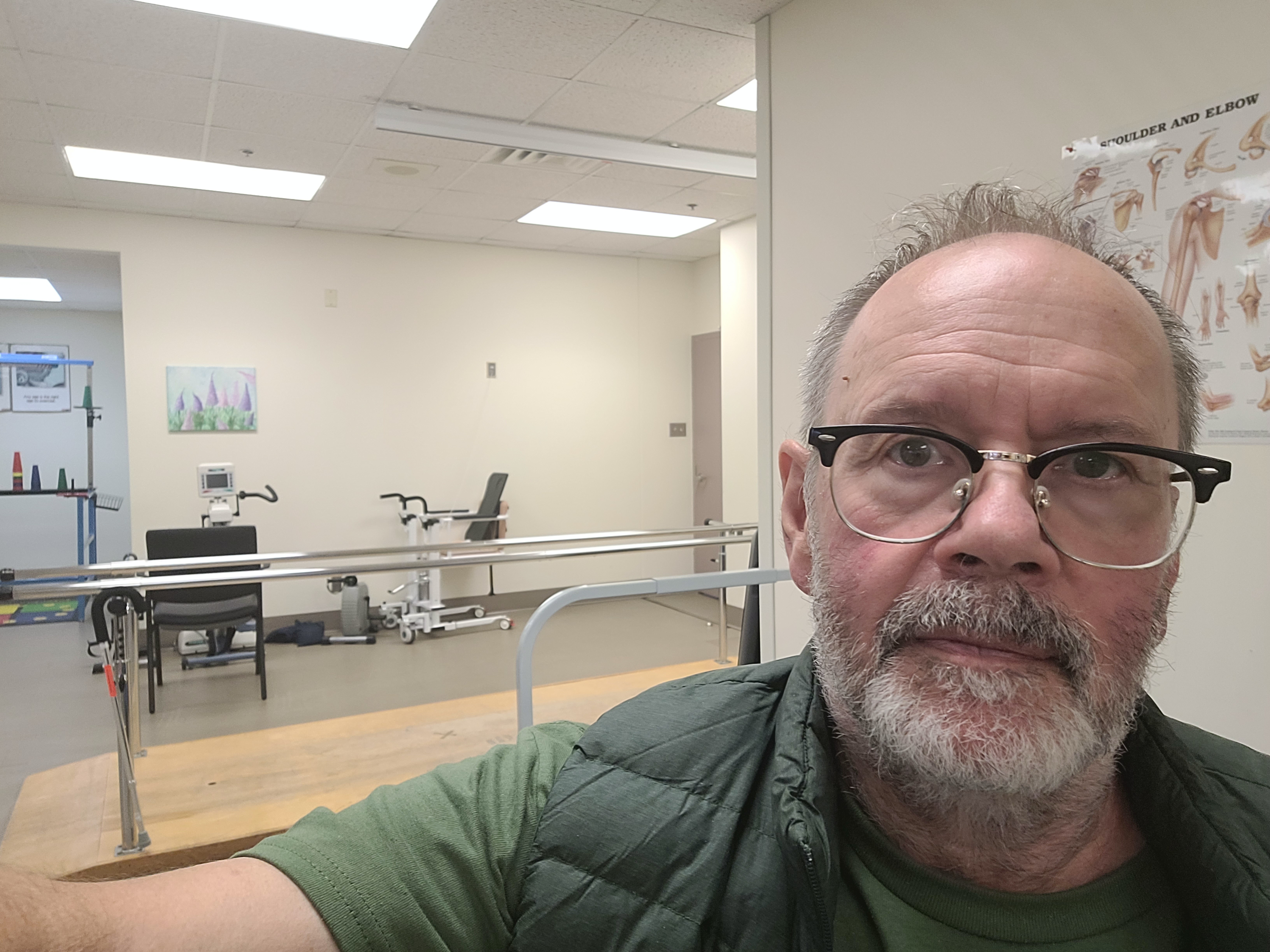
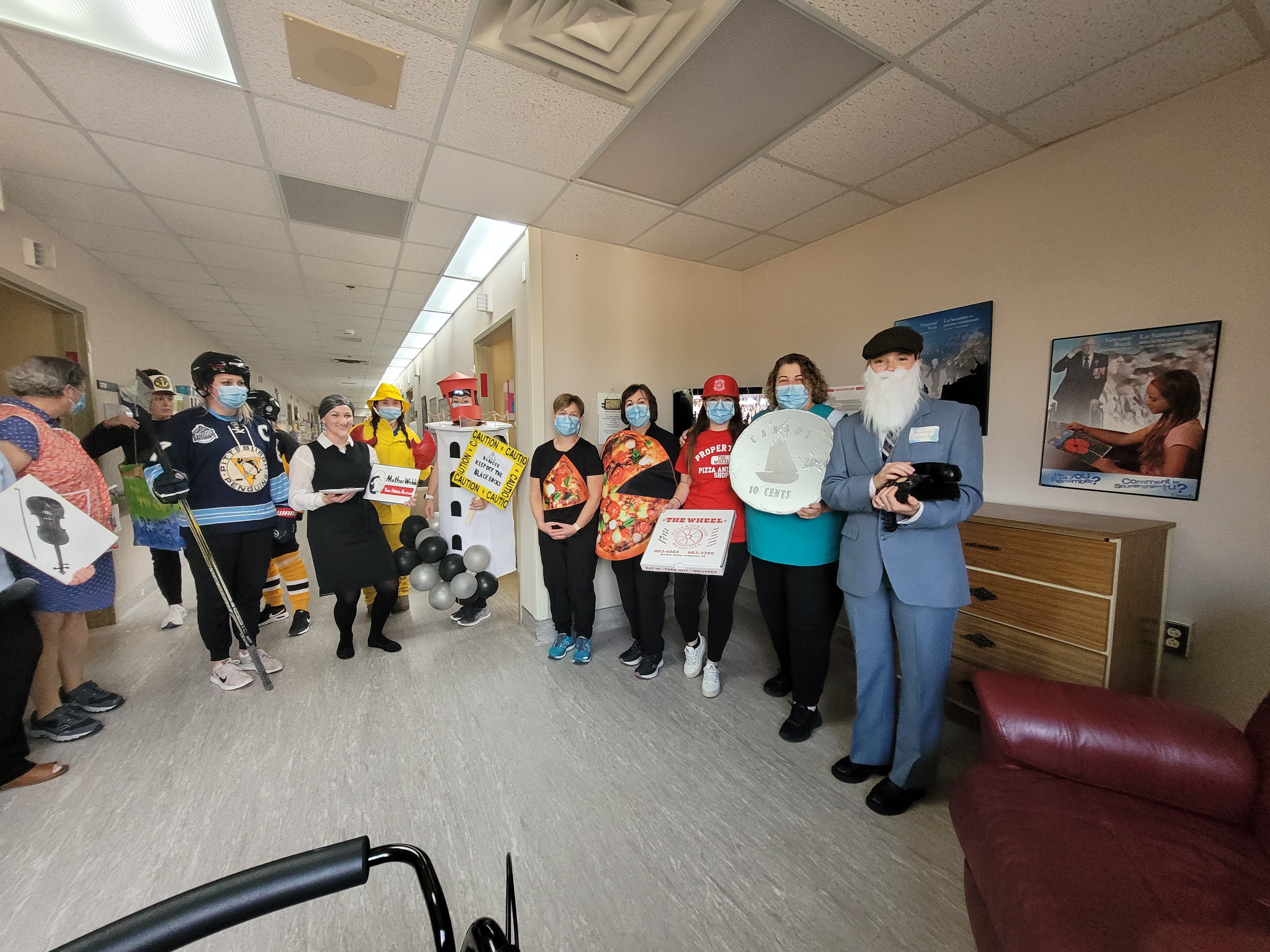
Big news this week: I’m not moving. The Halifax rehab centre only takes Haligonians. When they learned I wasn’t eligible for “Hand Camp,” my incredible team here (Lori, Lina, Lee, and Ria, above) swung into action. Lori produced a binder labelled “Matt’s Handcamp” and teased me, “it’s going to be hard work from here on in.” My binder has daily check-mark columns for the next three weeks, with slots for shoulder, arm, and hand therapy, physio on my leg, “magic mirror” visualization (fooling the brain with a mirror image), and other homework.
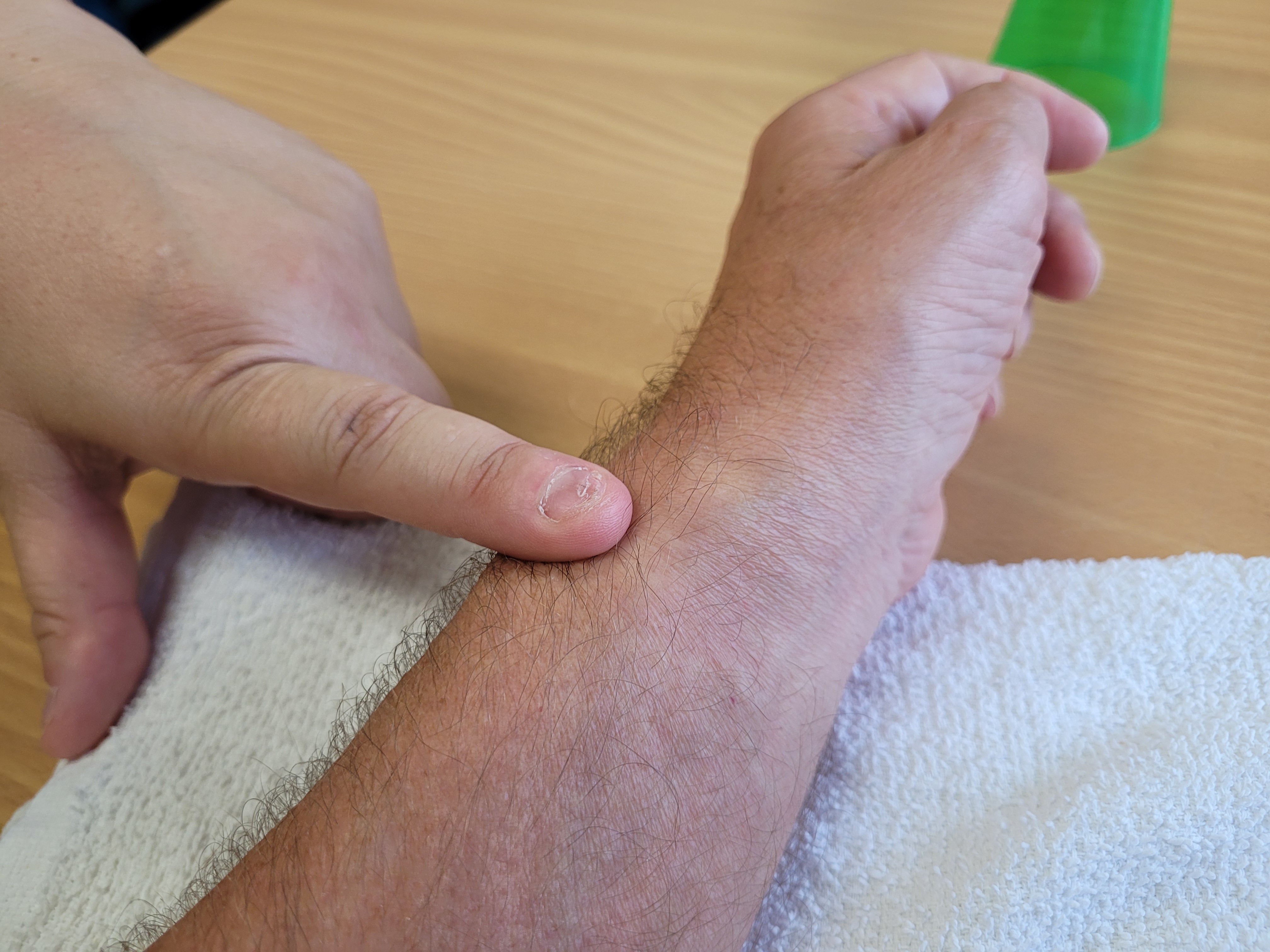
Lee has started me on the “big” exercise bike and treadmill. She’s doing gentle acupuncture on my left arm. I’m supposed to take weekends off, but weekdays until discharge are dedicated to more intensive therapy, whenever they can get me in.
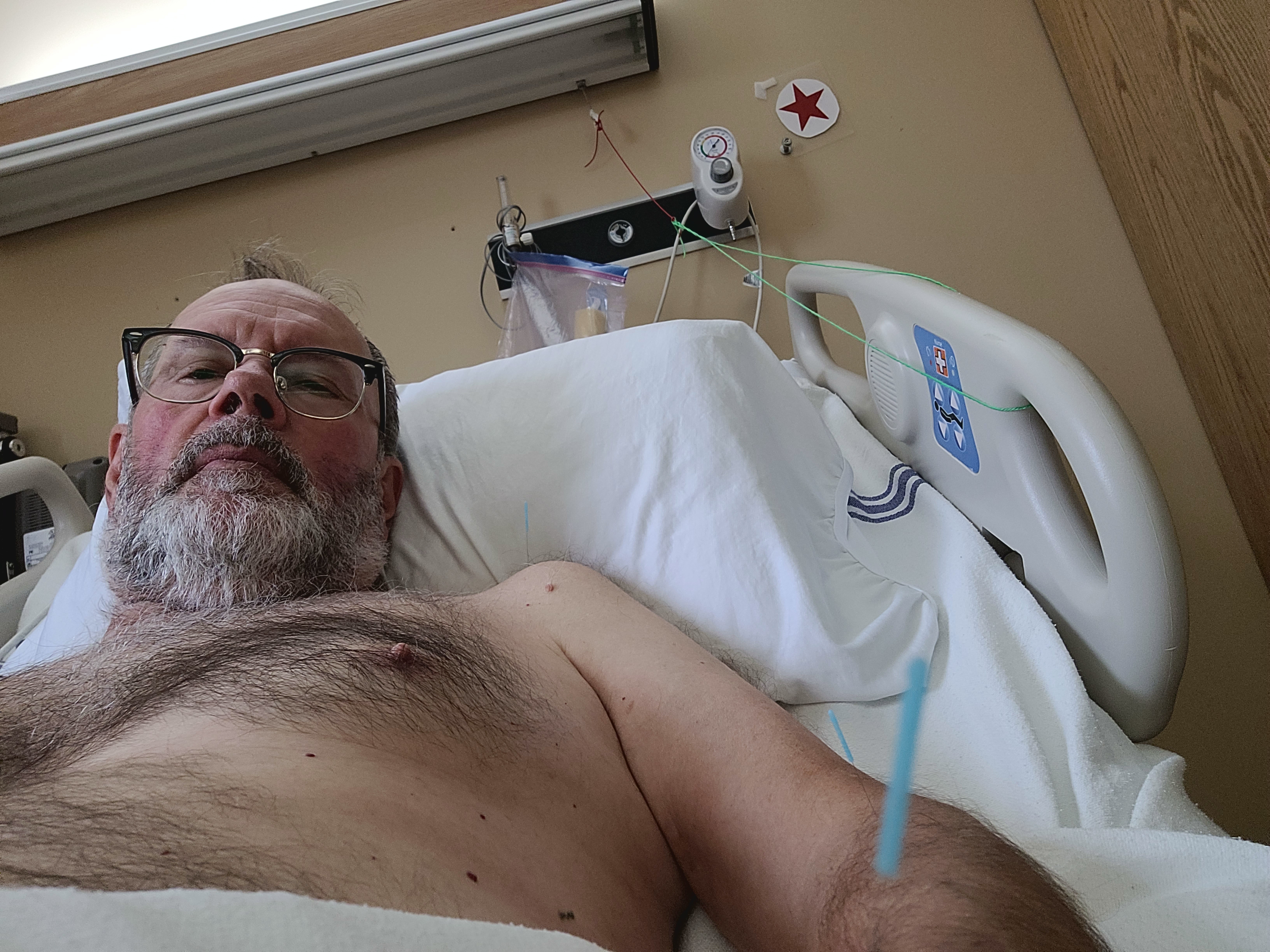


Lori has been researching some new OT techniques out of Japan that involve massaging and “slapping” the hand tendons alternatively to shake them out of cramps. (The hand has been seizing up a lot.) My new music therapist dropped by for the first time, getting me to tap a pen with my affected hand while he played the blues. Thanks to my friend Nadine from Montreal (herself a music therapist), for suggesting ways to use familiar music to improve my walking speed and gait!
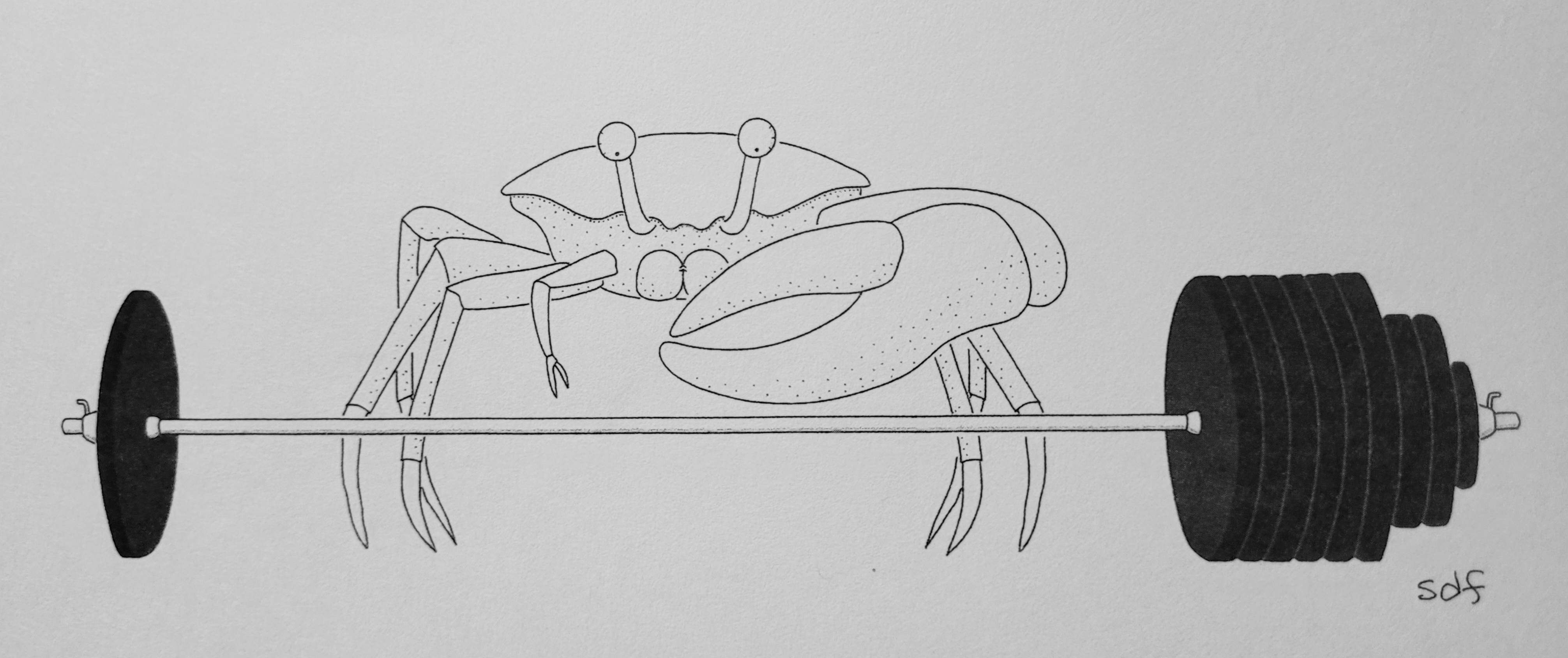
Improvements: I can now lift my arm into the air while lying on my back and touch my right hip with my left hand (I should be good at that – it’s a disco move!) I can “curl” a one-pound barbell and raise a washcloth up to my face or under my arm, using my left hand. But I have no strength yet to scrub. I can move a cloth around a counter more freely – wiping cupboards is clearly in my future. I managed to pick up a marker and draw lines with my left hand on a sheet. Sometimes I can pick up and drop wooden blocks, although straightening my fingers afterwards continues to be difficult. Like a baby bird on its first solo flight, I’ve ventured out on my first walks down the hall without cane or walker. Sara and I danced a real two-step, and she’s doing less lifting to keep my left hand in the air. I took my first standing shower at the hospital, holding the support bar for the first time with my left hand.

Last week I had another left-side dream. I was in a large underground garage where an old muscle car, a 1970s Barracuda, had been left behind piles of boxes, old mattresses, and junk. In my dream I was putting oil into the rusted engine and trying to clear a path to drive it out. Speaking of which: not saying anyone did this, but IF a person had tried to drive their automatic transmission car just around their yard last weekend using their unaffected right hand and leg, it may have worked out perfectly! For myself, it looks like I will have to take a drivers’ test before I’ll be allowed on the roads, which makes sense.

This week is the 9th anniversary of Sara and I meeting, so she picked me up from the “office” after work one night this week and we went out to eat for the first time in months, with a Gabrieau’s gift certificate from our departmental colleagues! I was also blessed with delightful visitors: Phillip Kennedy, a fellow walker along the Annapolis Valley, Tonya Fraser, who gave me some hand-picked Labrador Tea and a stone from the local beach, Leona English, another walker and a professor emeritus at StFX, and Andrea Terry, who in addition to leaving me several blueberry-themed gifts, reminded me that it was exactly one year ago that we had so much fun co-curating Philip Szporer’s and Marlene Millar’s art show “1001 Lights”! Many thanks also this week to my friend Dr Meredith Warren in Sheffield, UK, for providing a lecture for “my” class on “The Ancient Hellenistic Novels.”
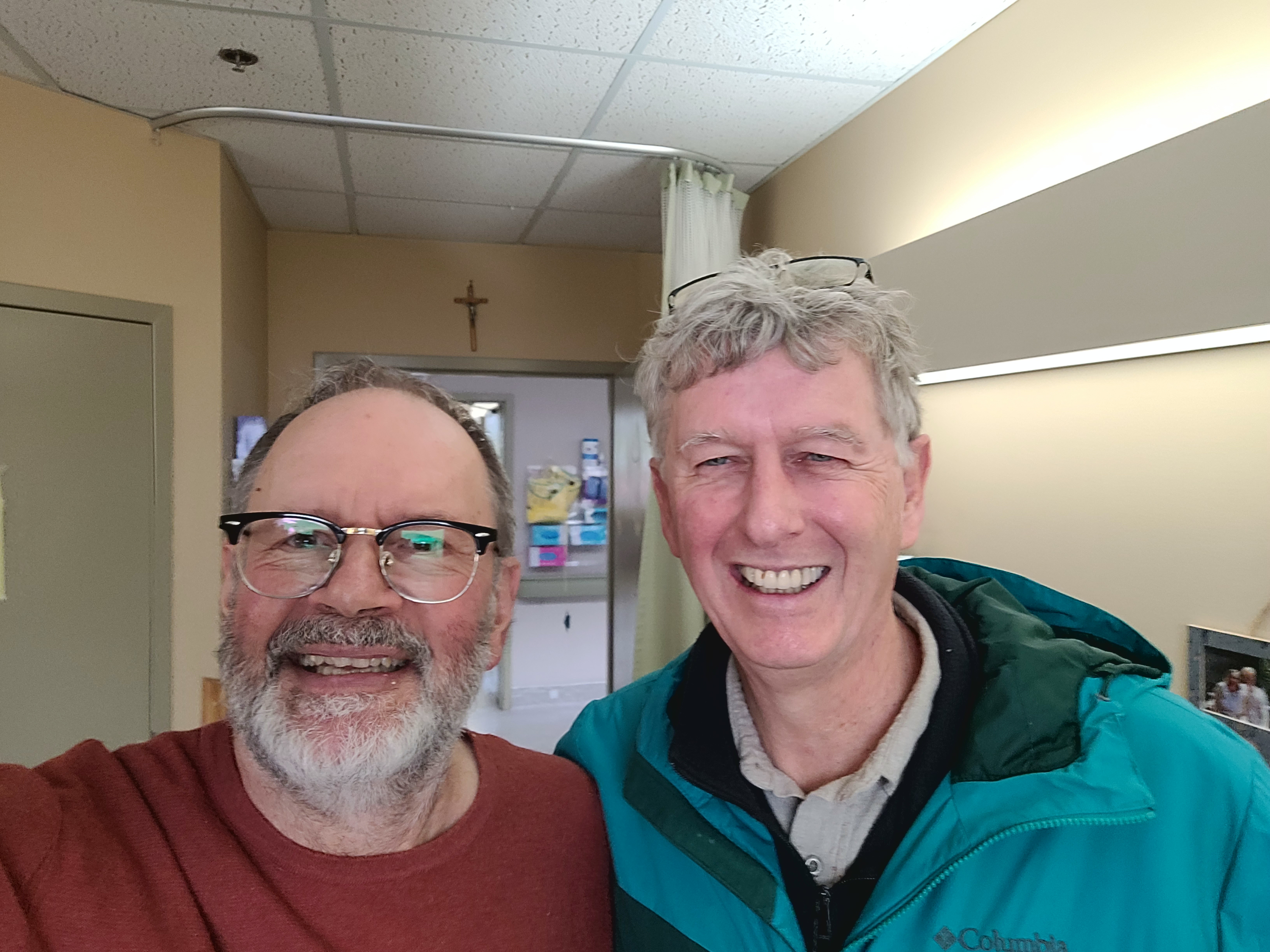


Speaking of small-town advantages, those who come to visit have to pay to park at the hospital. The whopping sum for a full day or any part thereof is … a twonie. (The first time we realised this, we laughed out loud, comparing it to big city parking costs.) While I was a little disappointed at first not to be going to Halifax for fancy therapy, I feel incredibly fortunate to be right here in Antigonish, where an entire talented physio team has taken me on as a project, and where I can focus on my recovery (and my StFX research) from such a warm and hospitable room. I am sure that much of this good fortune comes from the prayers, meditations, thoughts, and intentions so many of you are keeping up for me. Thank you!

P.S. I was surprised and very, very thankful to get the news this week that Prophets of Love: the Unlikely Kinship of Leonard Cohen and the Apostle Paul is one of three non-fiction works short-listed for the 2024 Vine Canadian Jewish Book Awards! What a gift to my spirit to receiving an honour for past writing at a time when I’m typing with one hand!








 somethinggrand