Categories
academic research media and publications stroke-recovery Uncategorized

A Year and a Half Strokeaversary

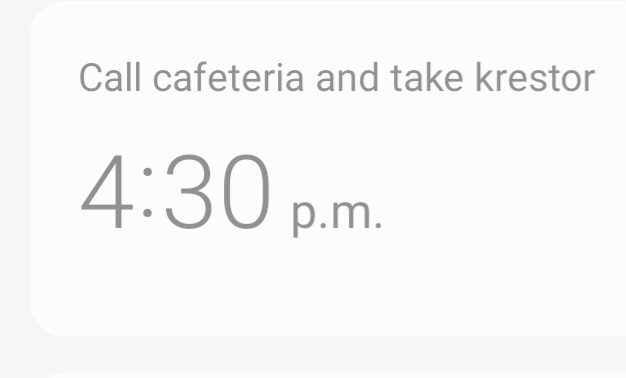
This week I found this old alarm notice on my phone. It brought me back with a jolt to my four months in hospital from September to December 2024. As I deleted it I said a prayer of thanks that, as much as I appreciated their care, I’m no longer at St Martha’s Regional.

In a minor coincidence, this week I also heard that the unpublished collection of “stroke poems” I wrote in the hospital was shortlisted for the Writers Federation of Nova Scotia‘s “Rita Joe Poetry Prize”! Rita Joe was a famous Mi’kmaq poet. It’s an honour just to be shortlisted. I have the privilege of being friends with several extremely talented poets, but have never published poetry myself. I’d love to share these poems with other stroke survivors and carers, so fingers crossed!

Eighteen months since my stroke, already! The reminders that popped up spurred me to write an update. Only, what to report?

#NoPlateau

Quite early on in my recovery, local physios warned me not to be disappointed when I hit the “plateau” at six months or so. But at the same time, they kept being pleasantly surprised at my determined progress. Sara developed the pep-phrase “HASHTAG NO PLATEAU”! I still haven’t hit one and don’t plan to.

I thought of calling this post “and then, one day, you’re putting on your belt using your left hand.” Or: “and then one day, you walk down the stairs and realize you didn’t hold the handrail.” Both statements are true in just the last two weeks. The idea that I could now be twisting my left arm around my body to dress, or to towel myself off after a shower, is an answer to prayer. For the first time since my stroke I can convincingly squeeze shut my grip exerciser. I can now actually “walk” a short base line on the guitar with my recalcitrant left pinkie. My hard-working Halifax Occupational therapist Lindsay is giving me more complicated wrist exercises on my phone’s Tenzr physio app, like tracing the entire alphabet in the air with my left fist. Miracles never cease. (Sara encouraged me to do it in Greek. Okay, not all miracles materialize.)

But the truth is, I also could write: “and then one day you’re stopped by a colleague to talk in the parking lot, and after just an extra 60 seconds in the cold, you suddenly need help to the car.” Or: “when you’re tired you still slur words, and once after climbing a bunch of stairs you lost your balance in front of a group of students and almost fell sideways into the wall.” Those statements are true also.

In a nutshell, THAT’S how it’s going. I’m grateful beyond words that my recovery continues even now, a year and a half after my stroke. Every day I have just an incremental bit more strength and flexibility and control in my left hand and arm. Every week my balance and my ability to crouch down and stand and walk improves very slightly. I mostly know this from others like Lindsay, who only see me every month or so and are amazed at my progress. Every week there are several new #StrokeFirsts I can celebrate when Sara and I read through all the slips we put into the weekly gratitude cup. Every week I’m surprised by what I can do. And less and less by what I still can’t.

Like the saplings

Sort of like Spring, my recovery is happening in bits and pieces. I almost felt like my old self again – and certainly felt a kinship with the earth – when I took a walk around the property this week. Like me, the saplings Sara planted while I looked on seem to have cheerily survived.
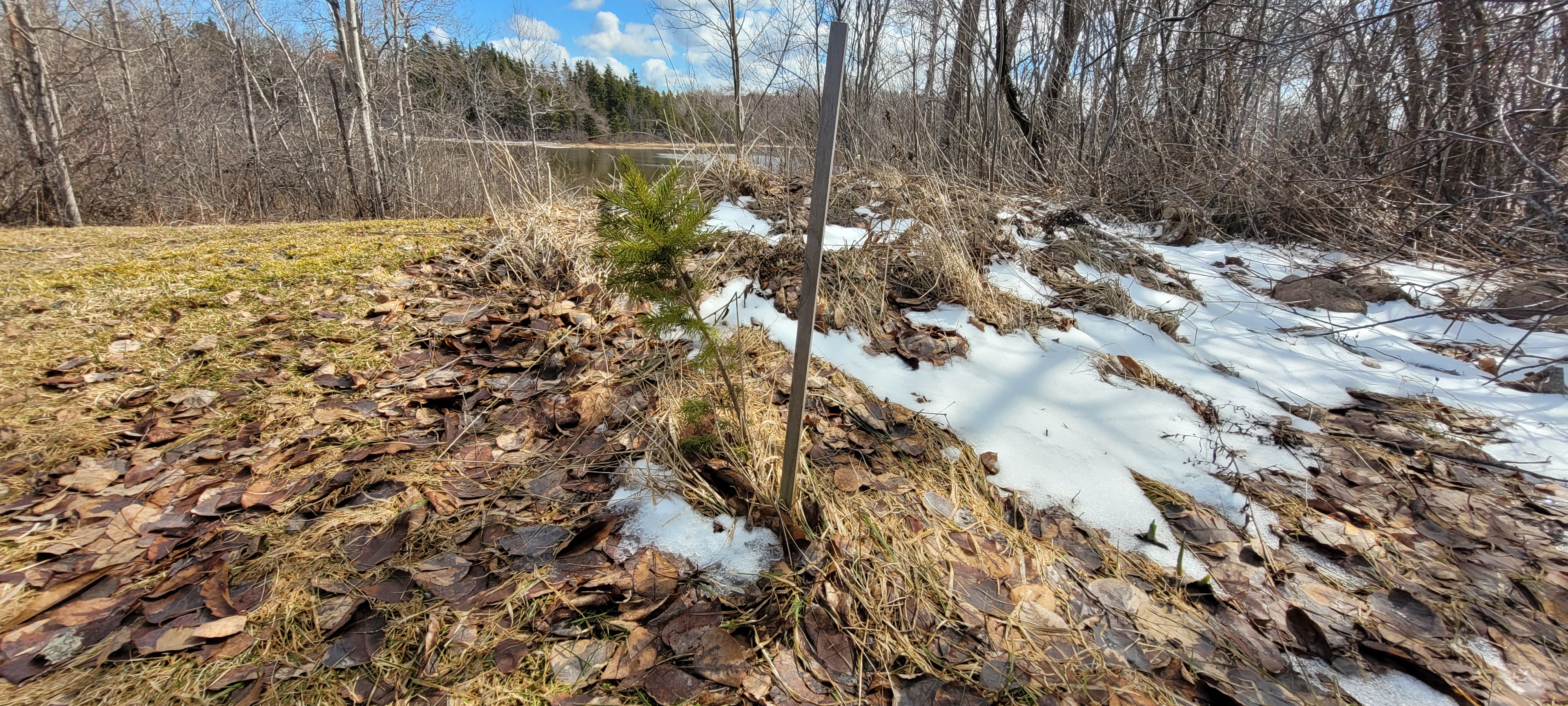
The stones I dumped by the inlet last summer need spreading, but it’s not yet the time.
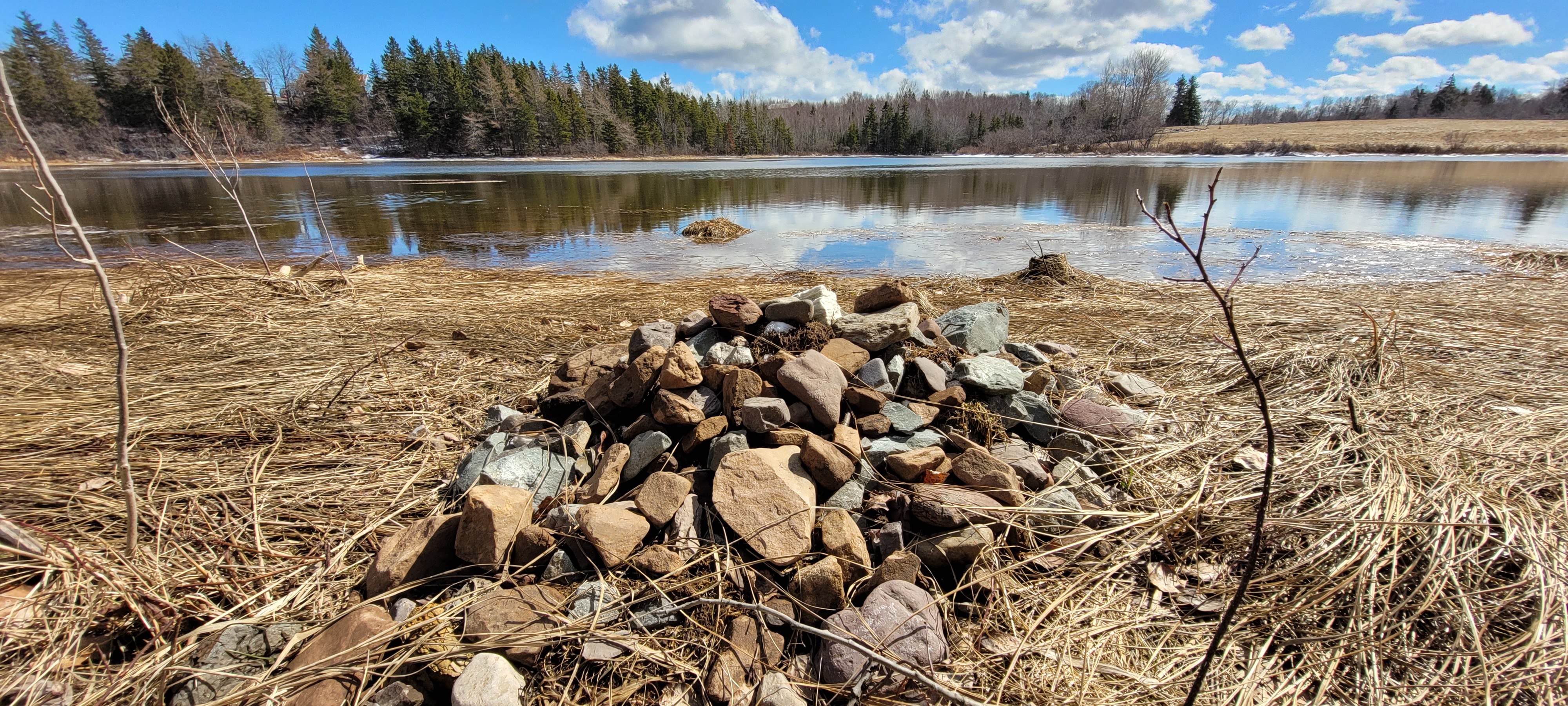
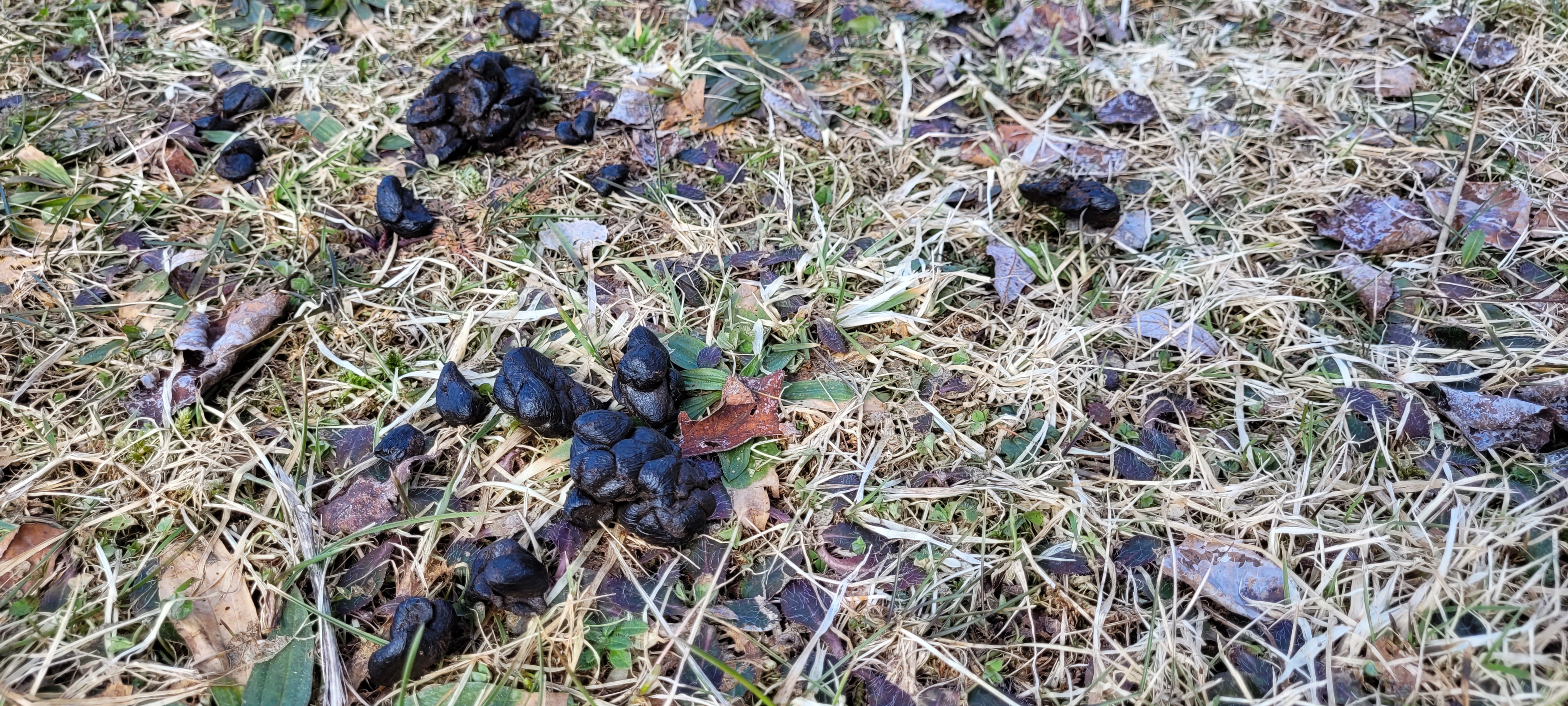
A wild-seeded pine will almost only pop up where there is already a birch, so perhaps the birches are “parenting” the saplings? Some creature left its scat nearby but I’m not sure what kind it is, and I don’t have an app for THAT yet…
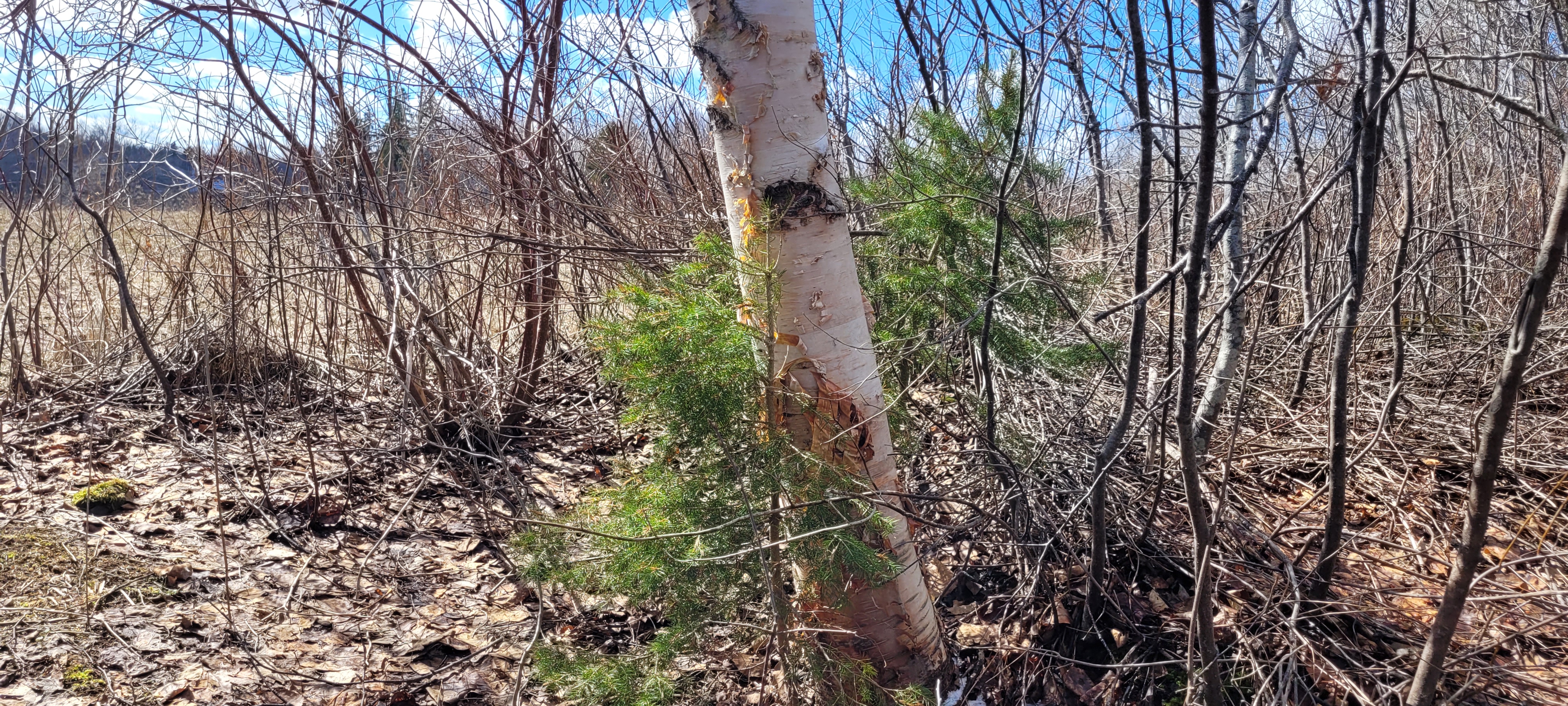
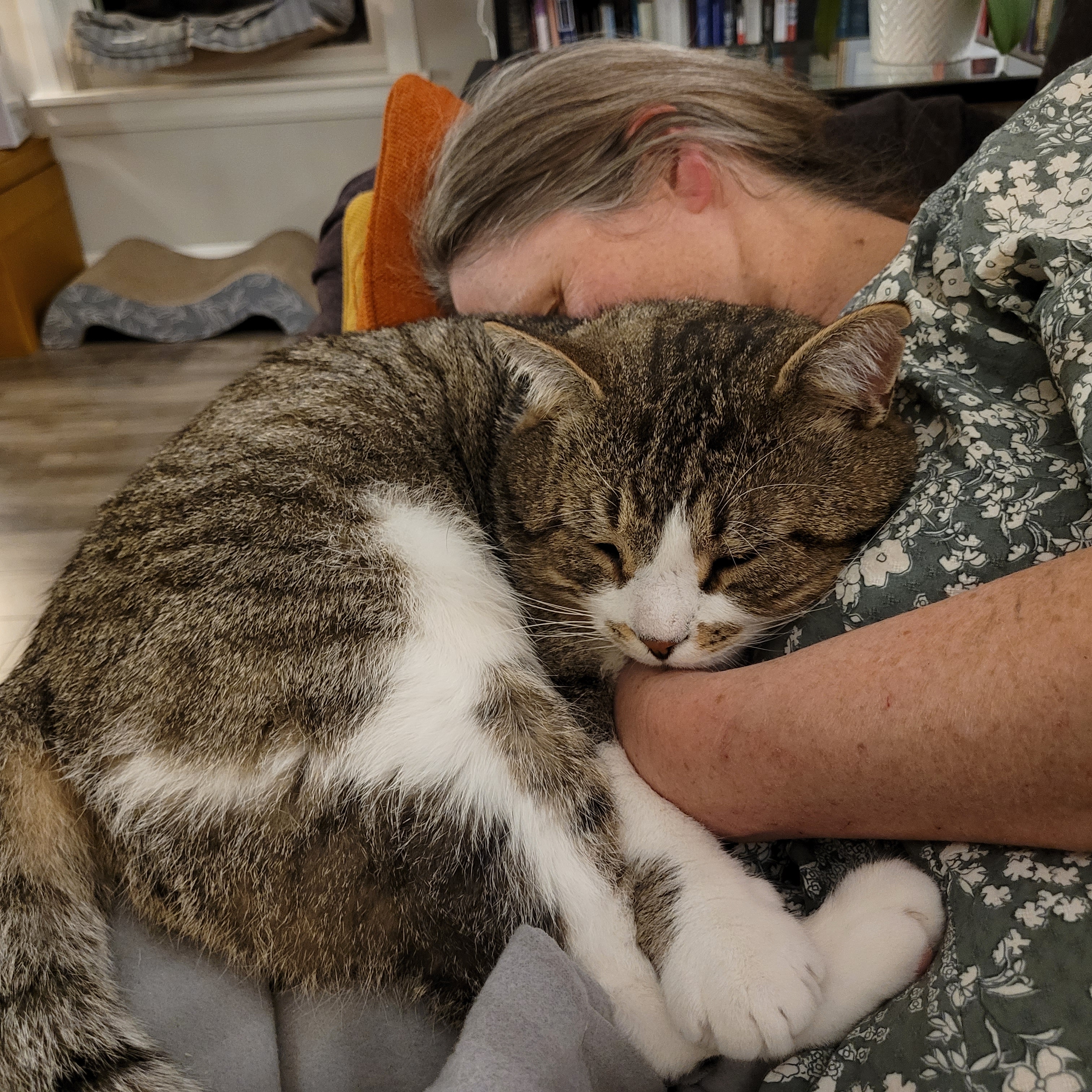
The brook on one side of our property is doing well, and this week the robins reappeared. Their singing is a joy, and might be the reason Theodore the reformed barn cat is crying so sadly to go outside for the first time since he so gleefully adopted us and moved in.
The sunset of my fellowship

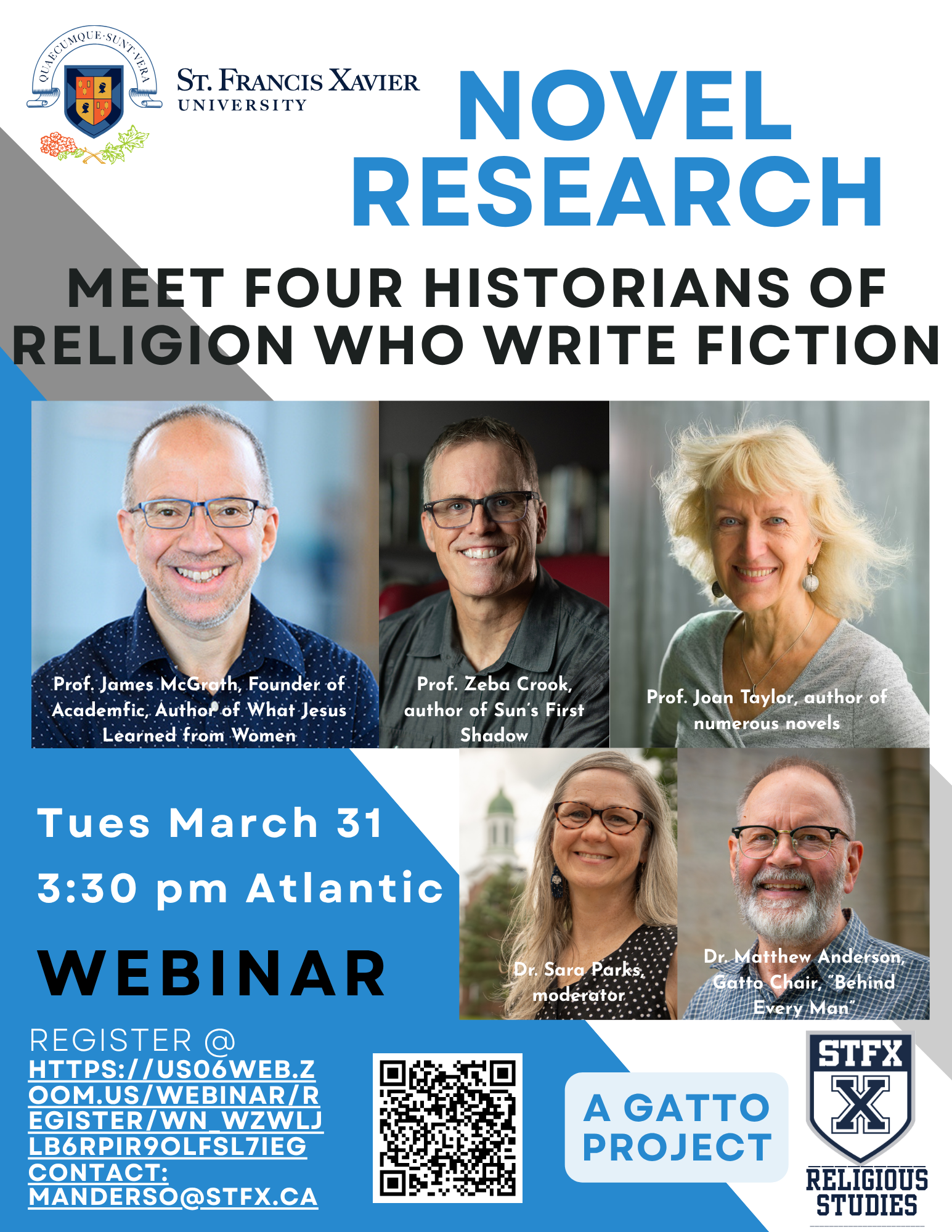
There’s only a year left in my renewed Father Edo Gatto Fellowship at StFX, so I’m busily checking off my Gatto Chair goals. A big one happens this week. As soon as I knew I would be translating my historical research on the fourth century Saint Paula to fiction, I wanted to talk to other academics who do this. It’s finally happening this week! Sara will be moderating the webinar conversation, “Novel Research: Meet Four Historians of Religion Who Write Fiction.” I’m excited to talk about writing with these scholars I admire. You’re welcome to join us: register here!
Categories
academic research media and publications stroke-recovery Uncategorized

Strokeaversary: Sweet Pea

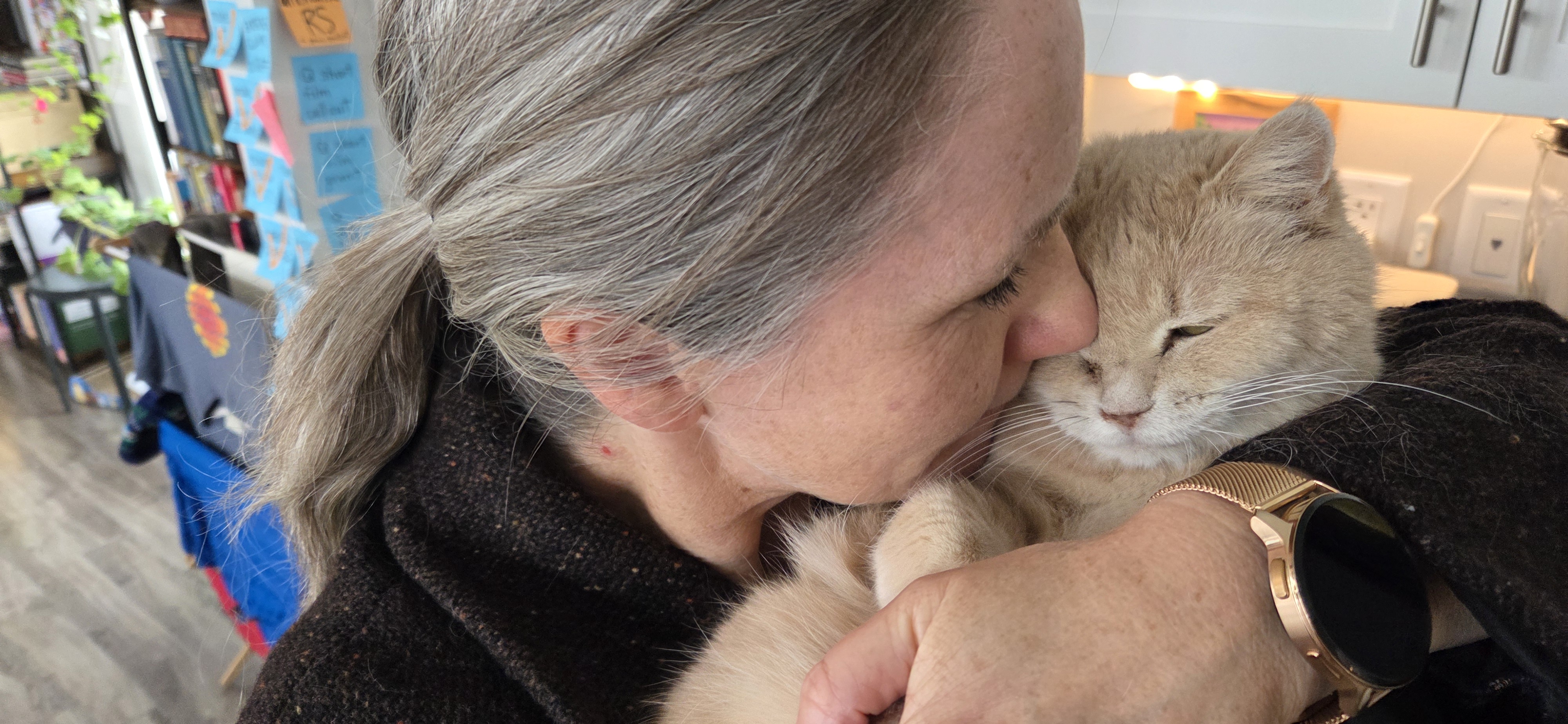
Our beloved 14 year old Sweet Pea just died. I’d had my most recent Botox shots to my left calf and arrived from the long back and forth drive to Halifax to find our elderly lady sprawled awkwardly on the bedroom floor by her food dish. When she saw me she stood to walk but kept falling sideways. I picked her up. Her head jerked in spasms every time I tried to get her to eat or drink, even her favourite tuna snack. She seemed to be experiencing terrible dizziness. Sara rushed home.We arranged an emergency vet, spent hours holding her, and only late that evening, after blood tests and consults, accepted the fact there was nothing we could do to help her. The vet believed Sweet Pea, who has been noticeably frailer recently, may have had a brain tumour (many from her semi-feral colony in Montreal had died from cancerous tumours) and that it had reached her optic nerves.

There’ve been lots of tears since. The day after she died, a letter arrived for Sara from a Montreal cat adopter who just lost her own kitty. She had sent some left-over anti-nausea meds to Sara (they’re expensive and were needed for every long car trip).

When Sara opened the letter, it simply said “Hope these help Sweet Pea in her travels.” “I hope so too,” Sara sobbed, and a fresh round of tears for us both followed.

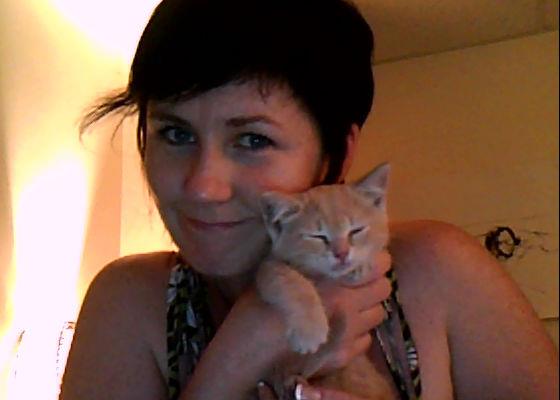
Sweet Pea

Grief is natural. It’s not to be rushed. Sweet Pea was Sara’s first adoptee. Somehow, despite being the runt, she was the last of the brood to survive and to still be with us. She travelled with Sara back and forth across the Atlantic. When we moved to Dublin we crossed the Irish Sea by ferry – just for her. She was such a trooper. She was annoyingly anal about her schedule, perfectly indignant when food was late, completely trusting of strangers, very patient under duress, a true companion, and very, very smart. She loved being lightly vacuumed.

Also in the mail the day after her passing was an author’s copy of “Touchstone,” the United Church of Canada’s theological journal. The issue title? “Death.” I’d forgotten that I’d written an article on “Death and Mortality From a Biblical Perspective” for them. And here it was.

Given that Sweet Pea’s condition at first looked to me a bit like a stroke, and that journal article, I’ve been thinking about death, aging, frailty, grief, relationships, and all of our shared weaknesses these last few days.

Snow

During our winter break, Sara and I were at the Atlantic Lutheran Leader’s Retreat. Bishop Carla Blakley and the Eastern Synod staff asked how my recovery is going. I told them what I’m telling you: I can’t believe how supported I’ve been. I’m still so appreciative of the support of Sara, of the medical teams in Antigonish and Halifax, and of many of you, as I fight my way back from my stroke. It’s a communion of all kinds of “saints,” and I’ve been blessed by it.

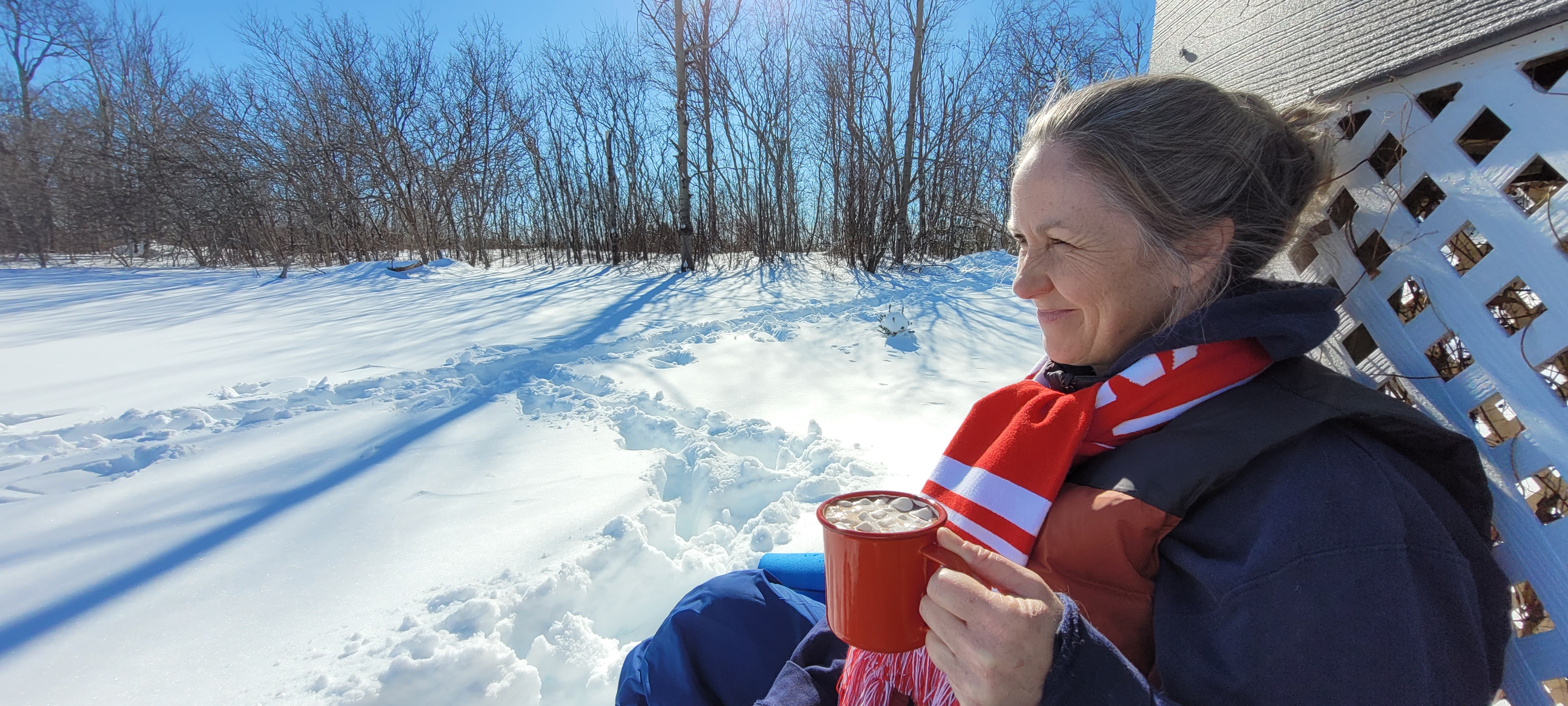
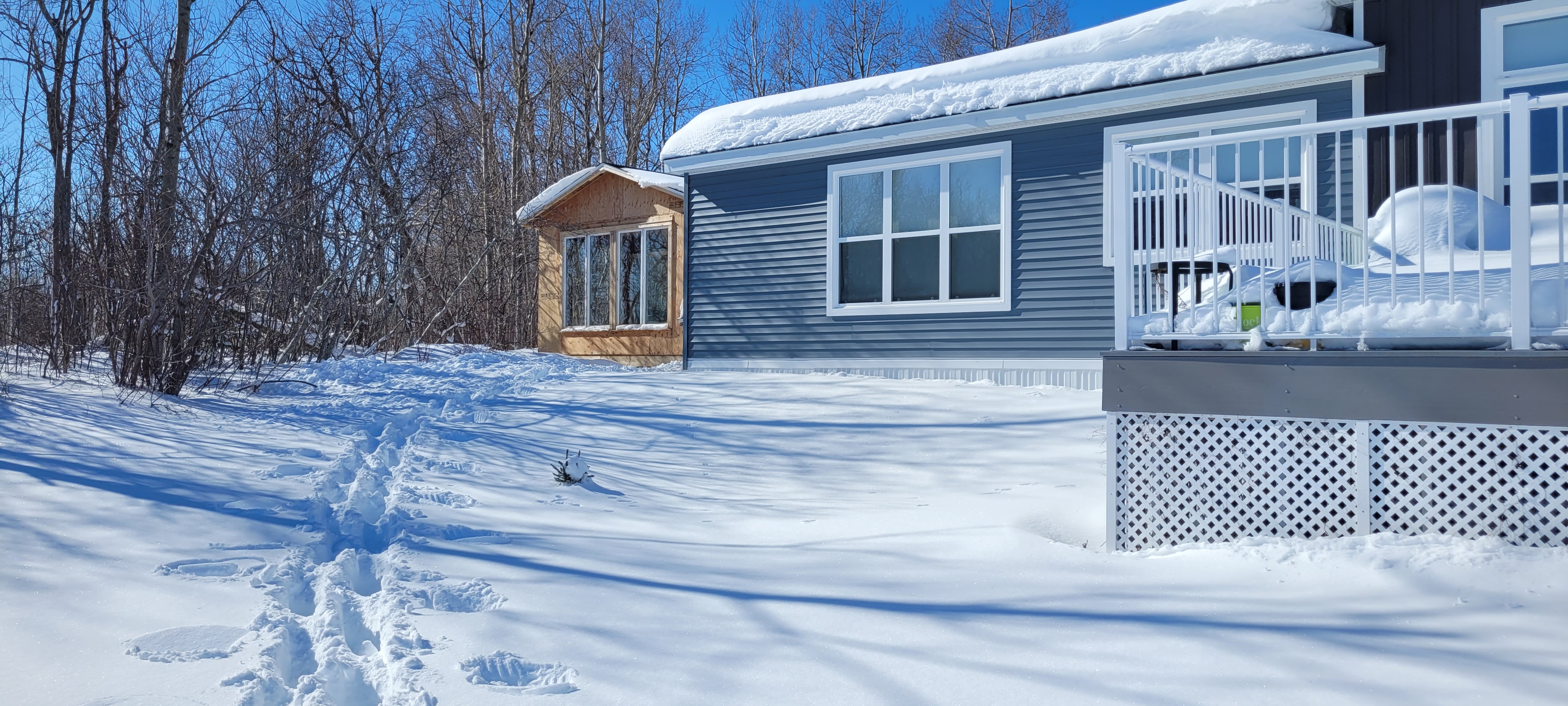
I continue to measure my progress by small victories. For the first time since the stroke I can now straighten my fingers enough to put on just about any gloves (you’d be surprised how hard that’s been). After one of our seemingly endless snowstorms I backed up the car and realised I wasn’t using the camera but doing it the old-fashioned way: steering with my left hand, and looking over my shoulder with my (good) right hand behind the passenger seat. Like everyone else in Nova Scotia I’ve done a LOT of shovelling lately, using both hands. On one sunny day last week last week Sara and I had a hot chocolate date in the snow. I’m able to sit down and get back up from those more difficult places much more easily. My typing is faster and my guitar playing just slightly smoother every week.

Although I walked 1.5 km recently, my left foot was dragging by the end – a hard thing for someone who identified as a “walker” for so many years. But I’m able to dress myself, put on a belt, and dry off after a shower with both hands now. I can even tie a knot again, if there’s no rush and it doesn’t have to be too tight. In so many ways I feel like a toddler who’s had to learn how to move through the world.

Sauna

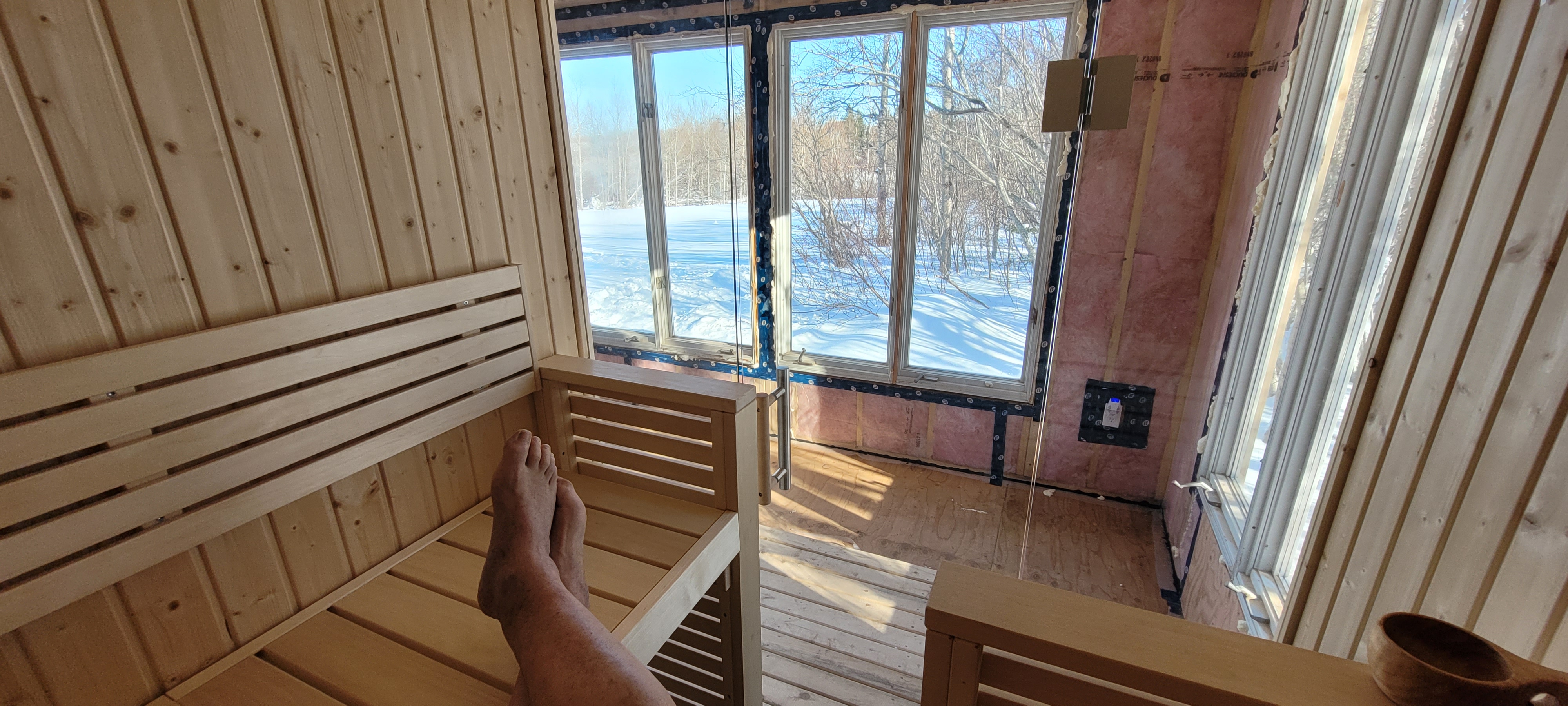
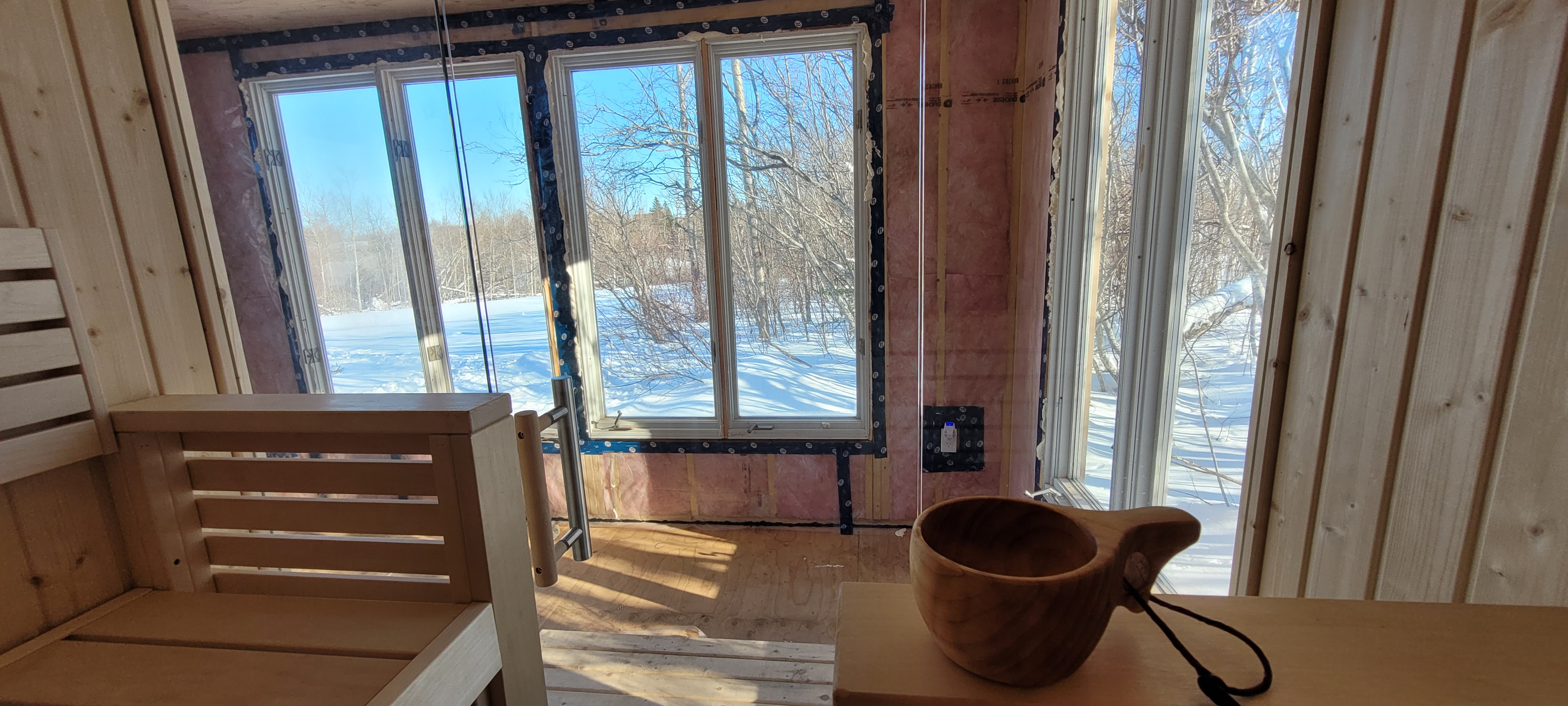
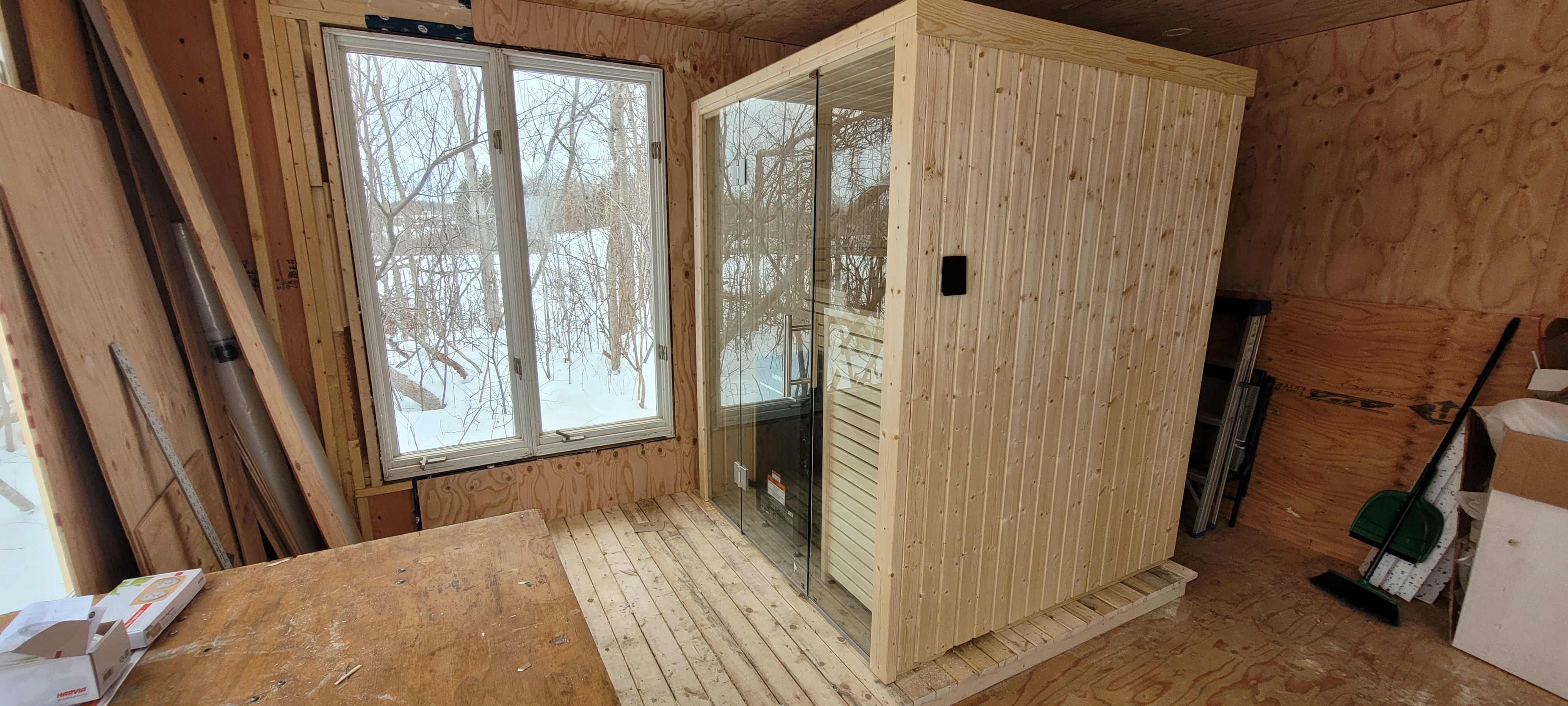
As I mentioned in a recent blog-post, when I had a brief but serious cancer scare not long ago, I decided life is short, and I’d buy a Finnish sauna kit. Ever since my wonderful years with the Finns of Montreal’s St Michael’s church, saunas have been in my blood – and my dreams. I know it’s an incredible privilege to have retirement savings, and to spend some of them on such a luxury. But when I get cold my entire left side seizes up, making walking difficult. And the sauna sure makes my left side – AND the rest of me – feel good!

Serendipity

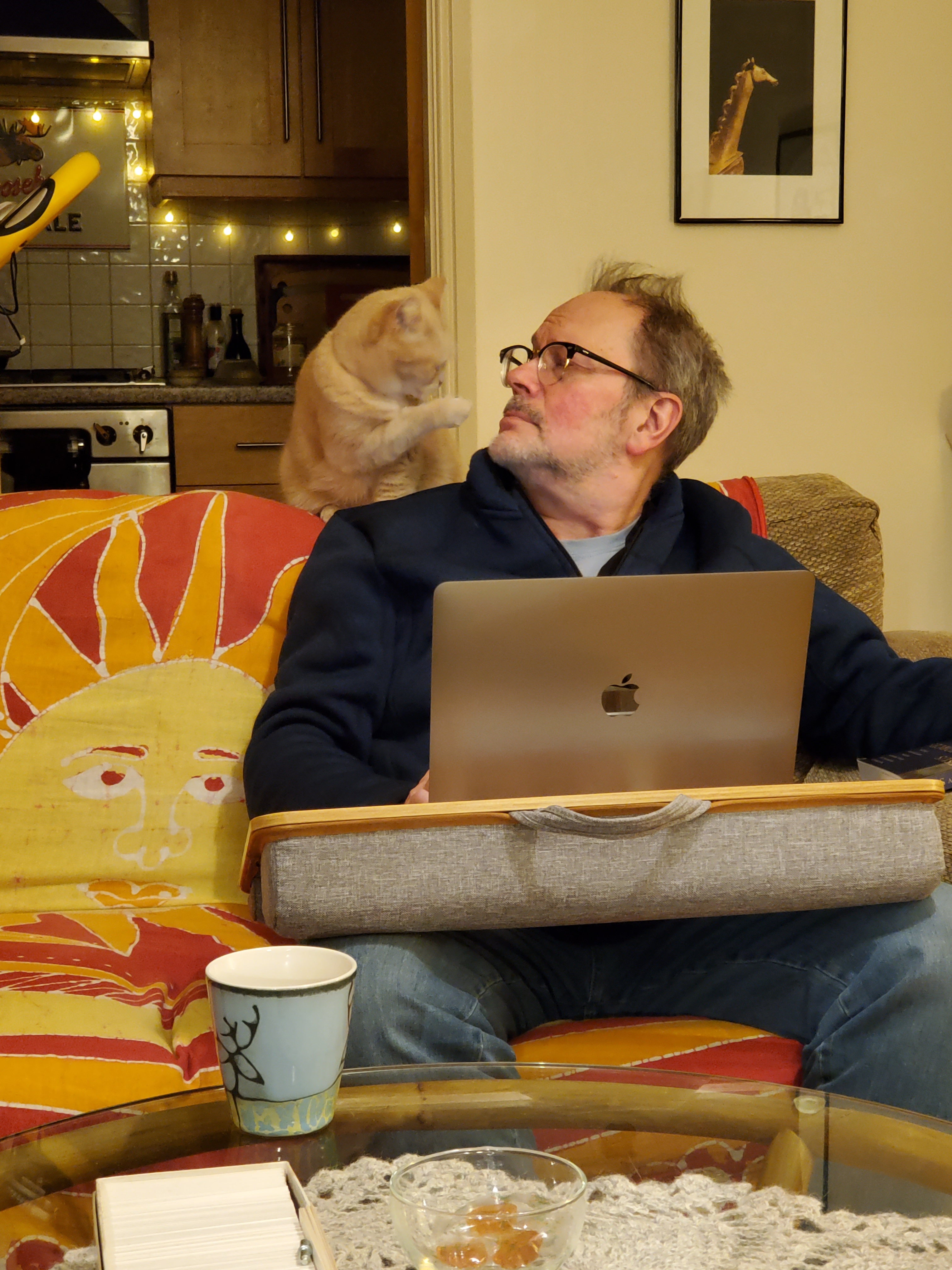
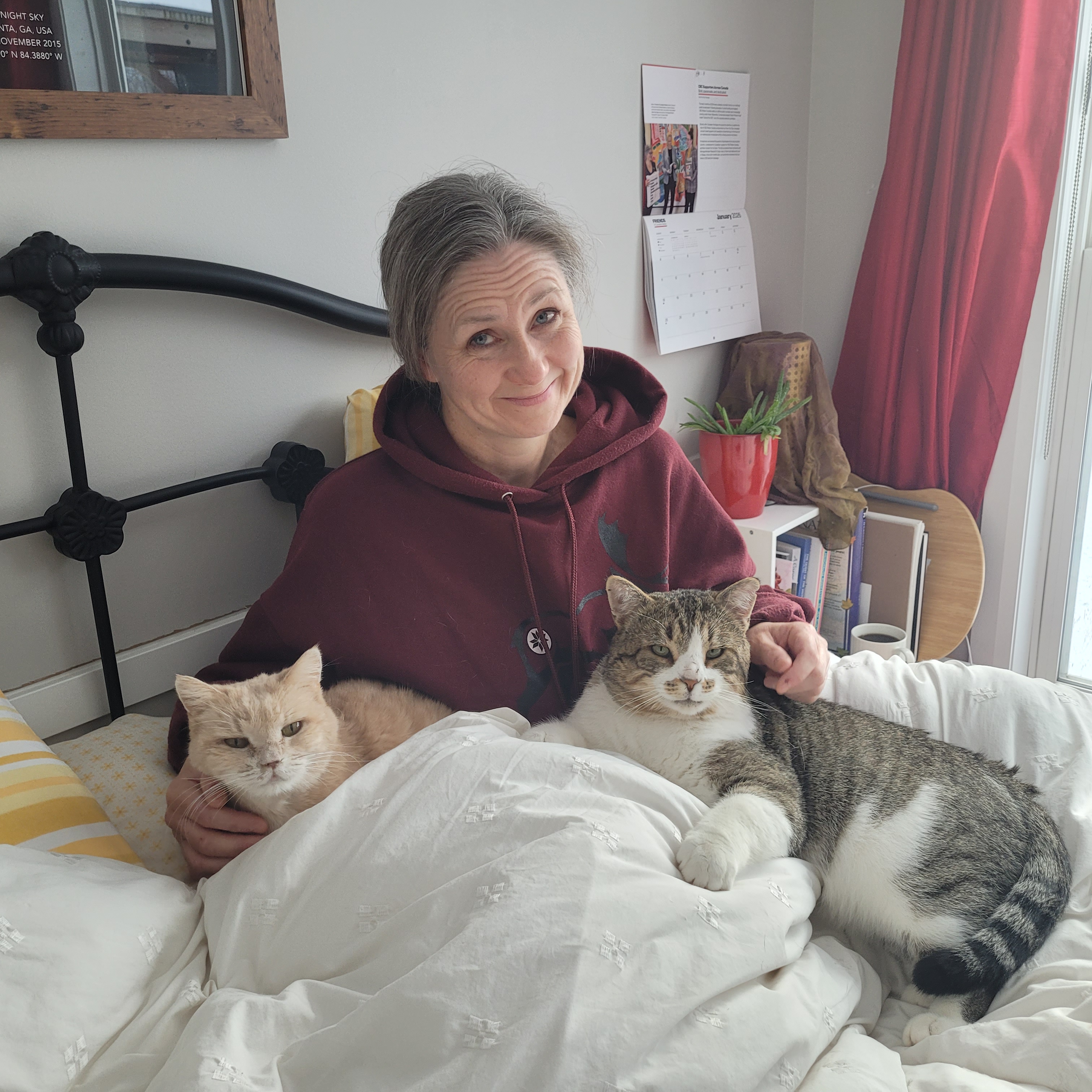
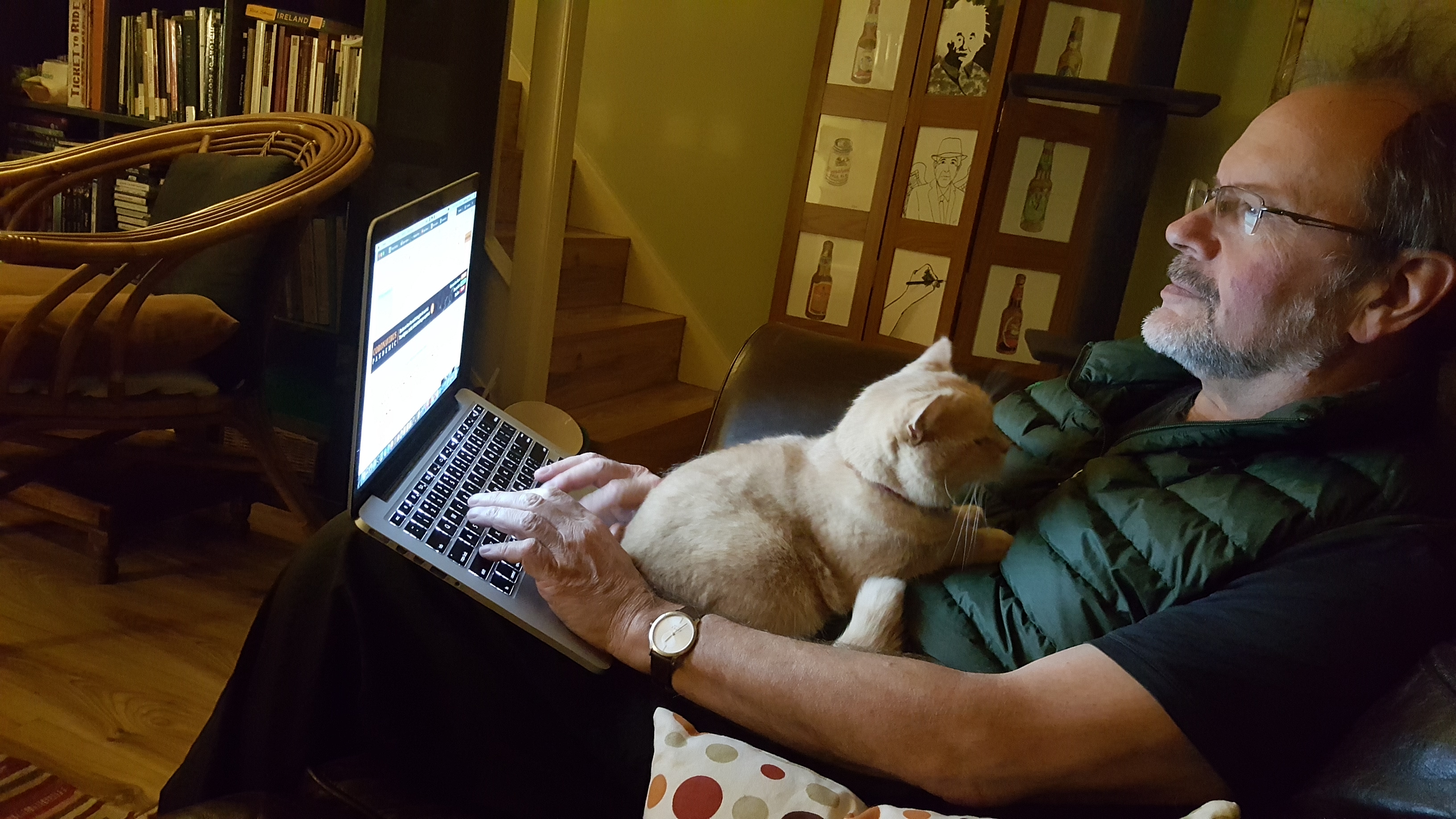
We were thinking Sweet Pea would be our last cat. But then, as I’ve mentioned on this blog, a big feral male showed up near our door in the coldest and snowiest of days last winter. He wouldn’t go near humans, but we’d wake up sometimes after VERY cold nights to find him on a chair on our deck, in the snow. He’d been terribly injured in one front paw somehow, and was un-neutered. Eventually, Sara managed to trap him. But when she opened the cage on his return from the vet, instead of springing away as expected, he turned and came into the house! Theodore is an 18-pound tabby. He’s incredibly affectionate and intelligent, even though (unlike Sweet Pea), he’s scared of any humans but us so far.

Back in his wild days, Sara named him Theodore. Both Sara and I have taught Greek. But until Sweet Pea’s passing just now, somehow we didn’t remember that Theodore also means “gift of God.”

Categories
academic research

A Radically-Reinterpreted New Testament

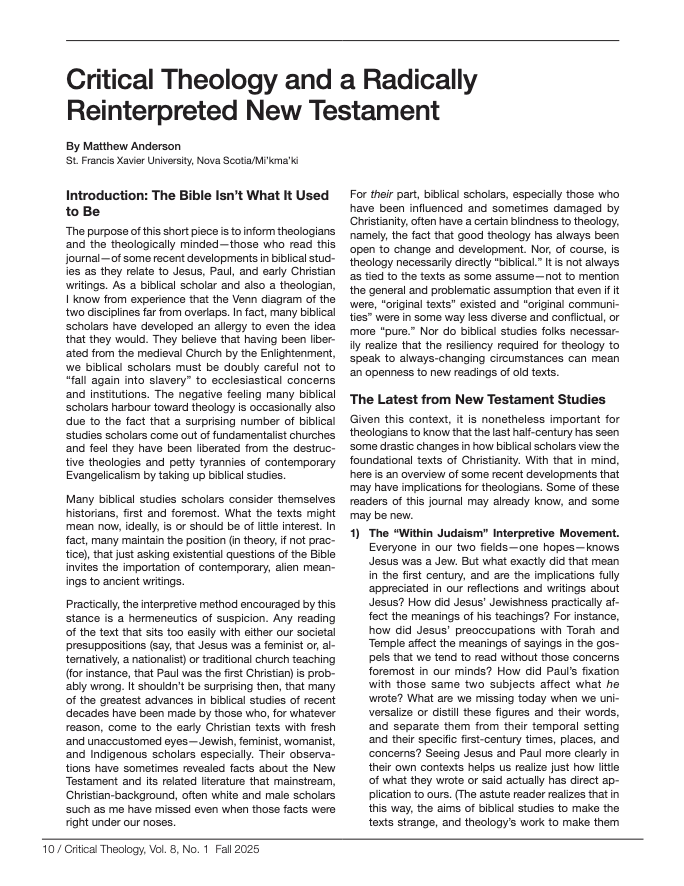
Last fall my friend Dr Christine Jamieson asked if I might contribute to an upcoming issue she was editing for the Canadian-based journal Critical Theology. I wrote a short piece inviting theologians to consider what implications might arise for their work from recent research in New Testament, early Christian, and early Jewish studies. While academics produce excellent work both in Theological Studies and in Biblical Studies in Canada and around the world, they often don’t talk to each other, as I pointed out. I’m fortunate to be working and teaching as a Gatto Chair of Christian Studies at Saint Francis Xavier University, Nova Scotia. This means I can pursue biblical studies research while attuned (I hope!) to the “engaging church, culture, society” that Critical Theology’s byline promises.

The journal issue came out in November. I was delighted to see my article there, and I wanted to share it. What I didn’t know was that Critical Theology has recently become open access, meaning it’s no longer hidden to everyone except subscribers. Thanks to Novalis Press for making the journal available – coincidentally, Novalis was the publisher for my first book, Pairings: The Bible and Booze.

I also didn’t realize – until I read the issue in full – that this issue of Critical Theology begins with a brilliant, timely, and powerful piece about the importance of theology in the university, written by my Montreal Concordia colleague Richard Bernier at Concordia’s Department of Theological Studies.

You can read Richard’s stirring defense in the open access issue HERE. I’m reproducing my own short article below for your convenience. But I recommend the whole issue to you! And I thank Christine for inviting me to be a part of this worthwhile project.

Good reading!

“The aims of biblical studies to make the [New Testament] texts strange, and theology’s work to make them relevant, are opposed”

“taking care to situate the earliest people and texts within their Jewish contexts and against previously neglected literary and material artifacts, shows us the foun­dations of Christianity in a new light”

“Paul made his travels and did his preaching under an urgent apocalyptic deadline that turned out to be wrong”

“Many of the preoccupations of the historical Jesus and Paul are revealed in recent research as being foreign to our time and place to the point of seeming bizarre”