Categories
academic research media and publications stroke-recovery Uncategorized

Strokeaversary: Sweet Pea

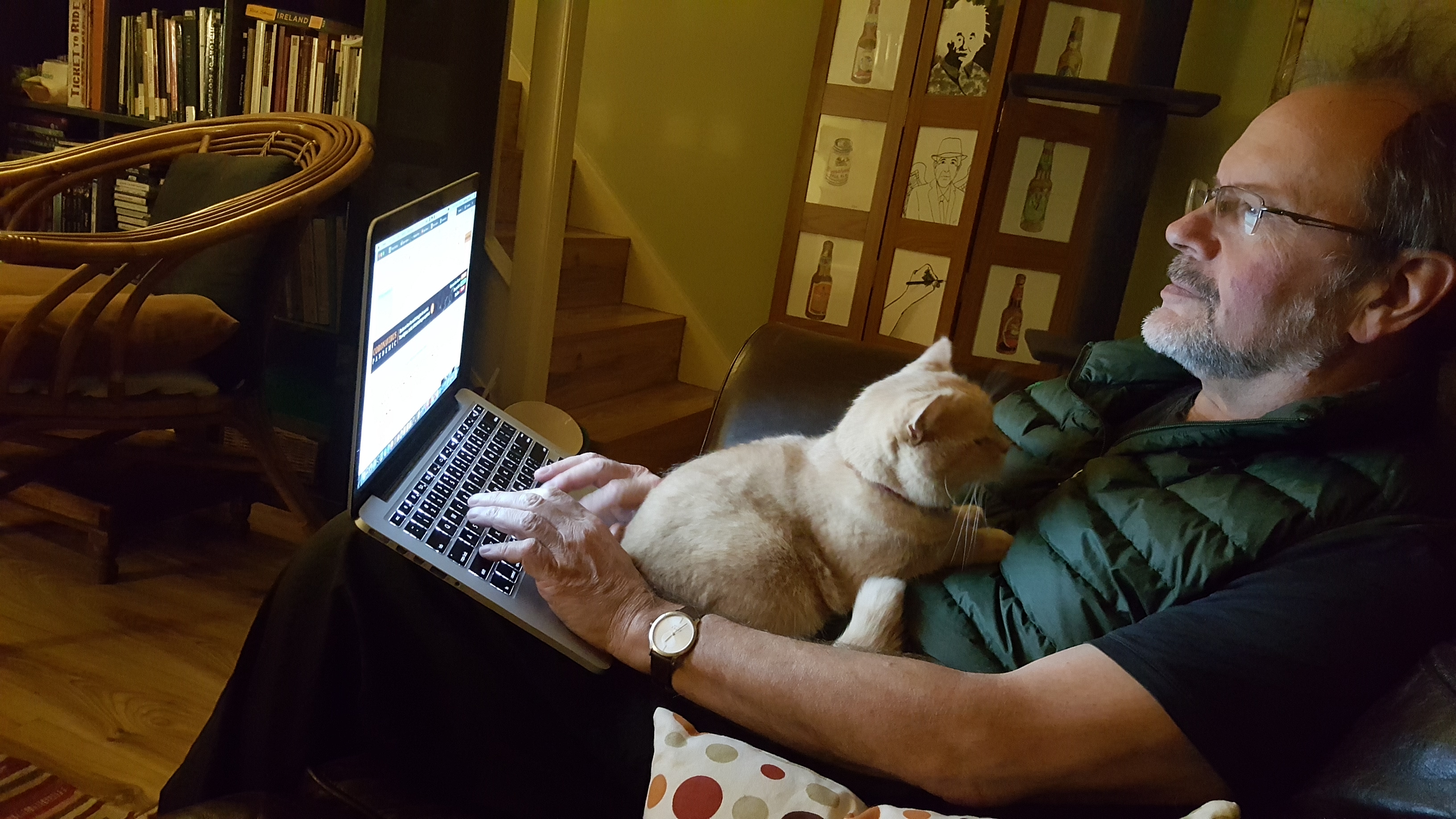
Our beloved 14 year old Sweet Pea just died. I’d had my most recent Botox shots to my left calf and arrived from the long back and forth drive to Halifax to find our elderly lady sprawled awkwardly on the bedroom floor by her food dish. When she saw me she stood to walk but kept falling sideways. I picked her up. Her head jerked in spasms every time I tried to get her to eat or drink, even her favourite tuna snack. She seemed to be experiencing terrible dizziness. Sara rushed home.We arranged an emergency vet, spent hours holding her, and only late that evening, after blood tests and consults, accepted the fact there was nothing we could do to help her. The vet believed Sweet Pea, who has been noticeably frailer recently, may have had a brain tumour (many from her semi-feral colony in Montreal had died from cancerous tumours) and that it had reached her optic nerves.
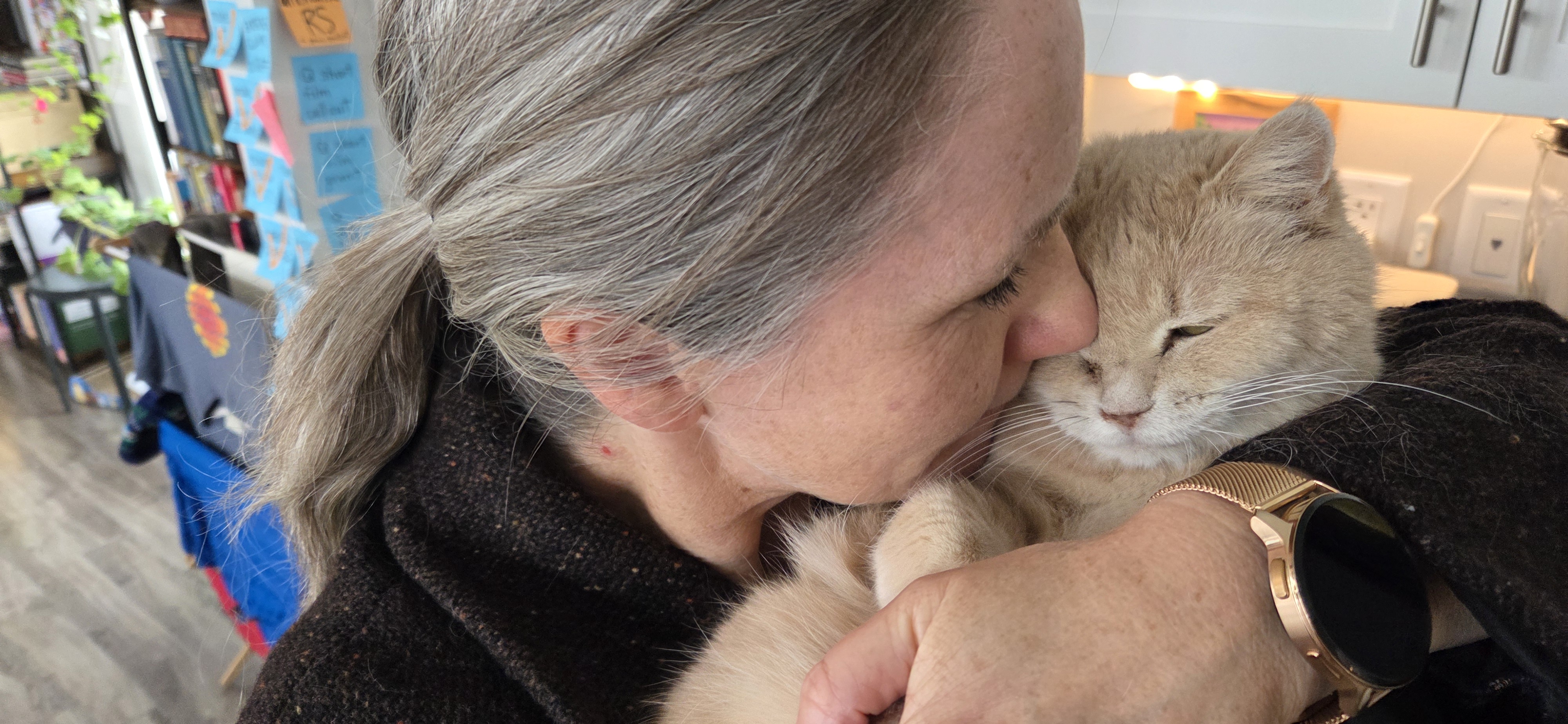
There’ve been lots of tears since. The day after she died, a letter arrived for Sara from a Montreal cat adopter who just lost her own kitty. She had sent some left-over anti-nausea meds to Sara (they’re expensive and were needed for every long car trip).

When Sara opened the letter, it simply said “Hope these help Sweet Pea in her travels.” “I hope so too,” Sara sobbed, and a fresh round of tears for us both followed.

Sweet Pea

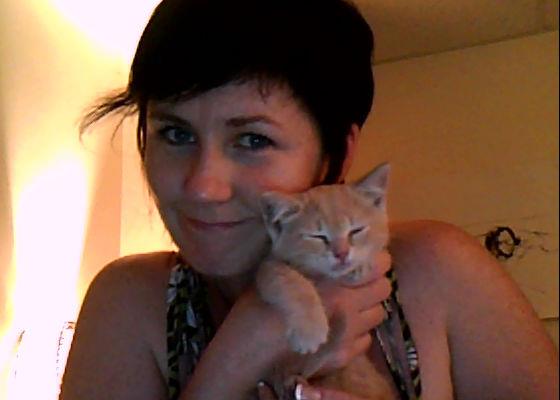
Grief is natural. It’s not to be rushed. Sweet Pea was Sara’s first adoptee. Somehow, despite being the runt, she was the last of the brood to survive and to still be with us. She travelled with Sara back and forth across the Atlantic. When we moved to Dublin we crossed the Irish Sea by ferry – just for her. She was such a trooper. She was annoyingly anal about her schedule, perfectly indignant when food was late, completely trusting of strangers, very patient under duress, a true companion, and very, very smart. She loved being lightly vacuumed.
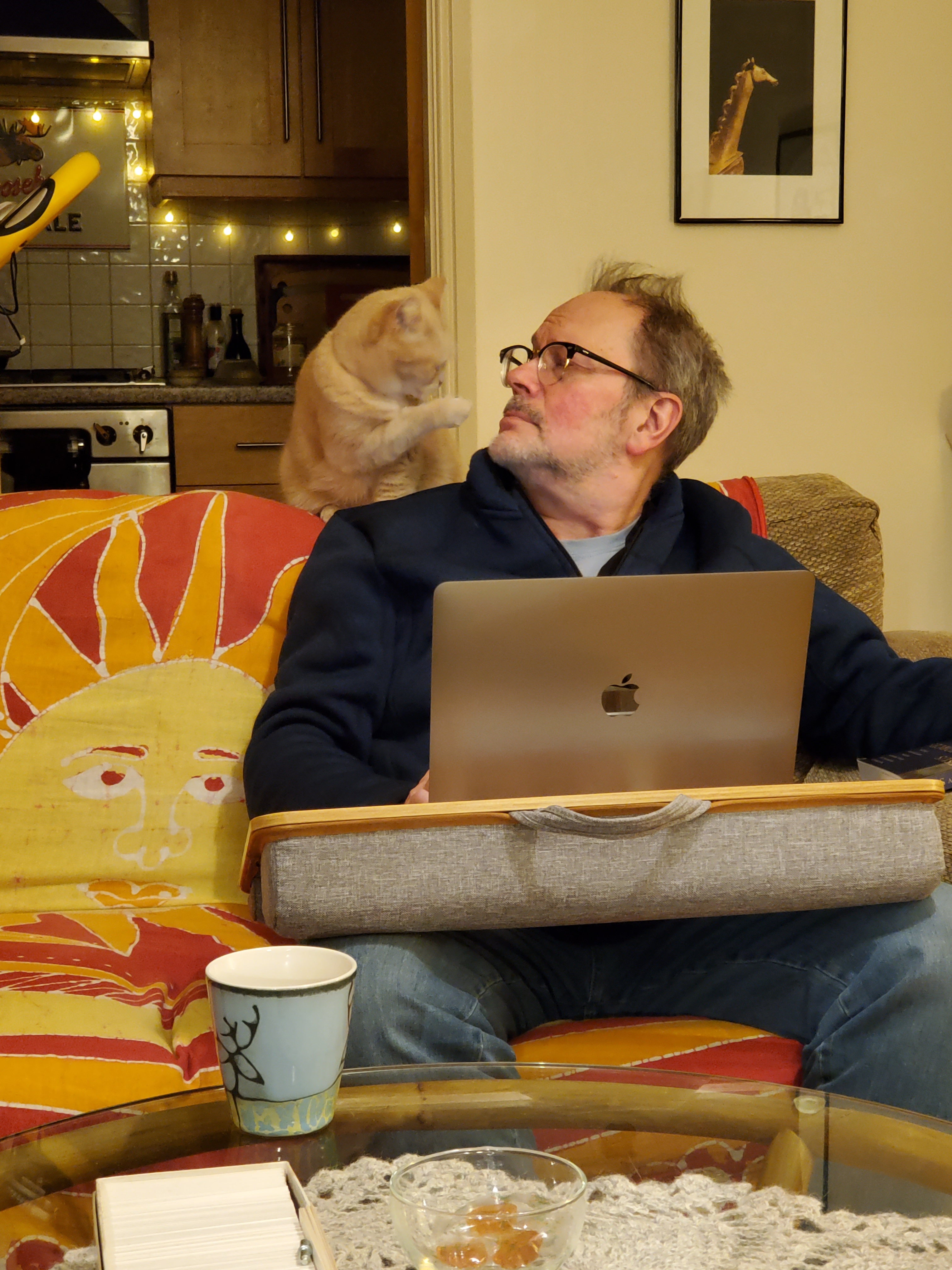
Also in the mail the day after her passing was an author’s copy of “Touchstone,” the United Church of Canada’s theological journal. The issue title? “Death.” I’d forgotten that I’d written an article on “Death and Mortality From a Biblical Perspective” for them. And here it was.

Given that Sweet Pea’s condition at first looked to me a bit like a stroke, and that journal article, I’ve been thinking about death, aging, frailty, grief, relationships, and all of our shared weaknesses these last few days.

Snow

During our winter break, Sara and I were at the Atlantic Lutheran Leader’s Retreat. Bishop Carla Blakley and the Eastern Synod staff asked how my recovery is going. I told them what I’m telling you: I can’t believe how supported I’ve been. I’m still so appreciative of the support of Sara, of the medical teams in Antigonish and Halifax, and of many of you, as I fight my way back from my stroke. It’s a communion of all kinds of “saints,” and I’ve been blessed by it.

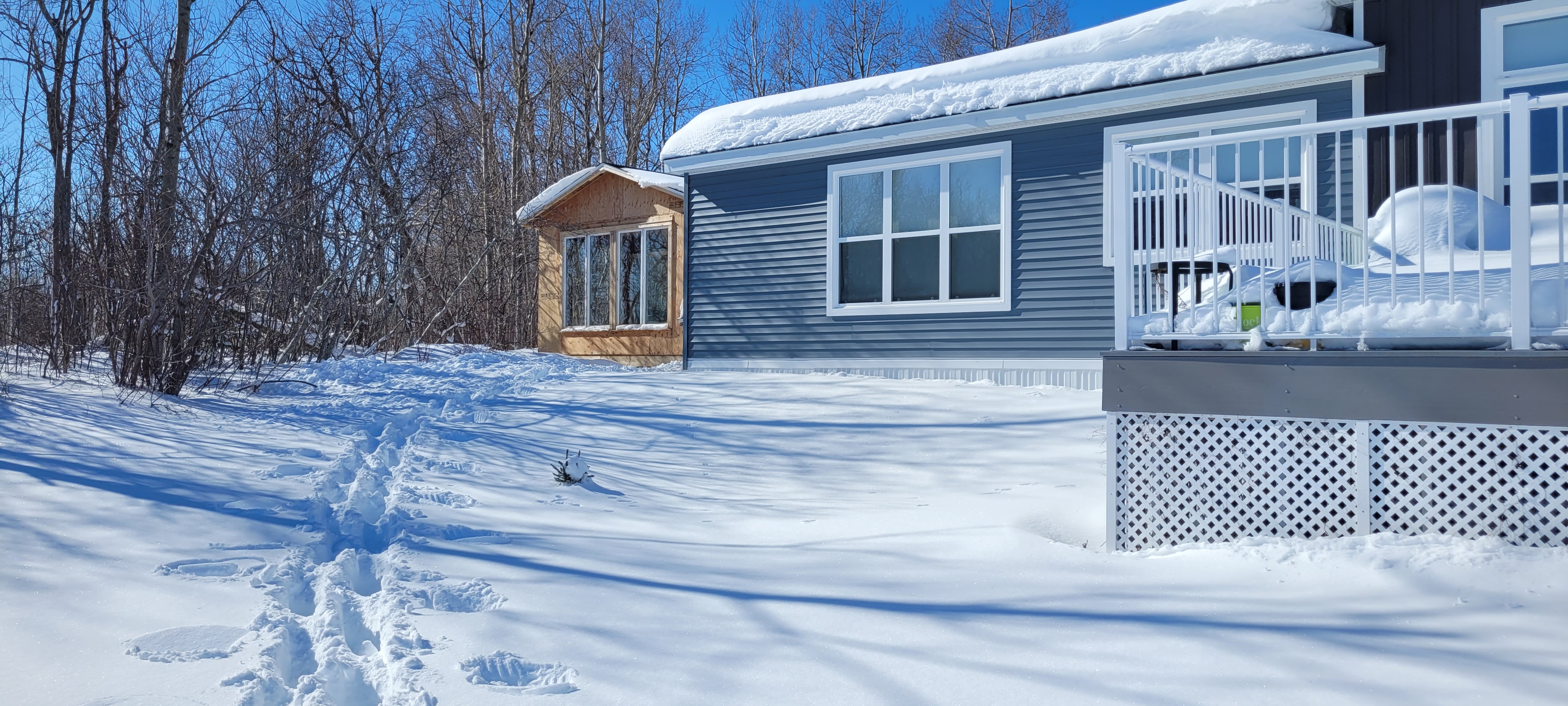
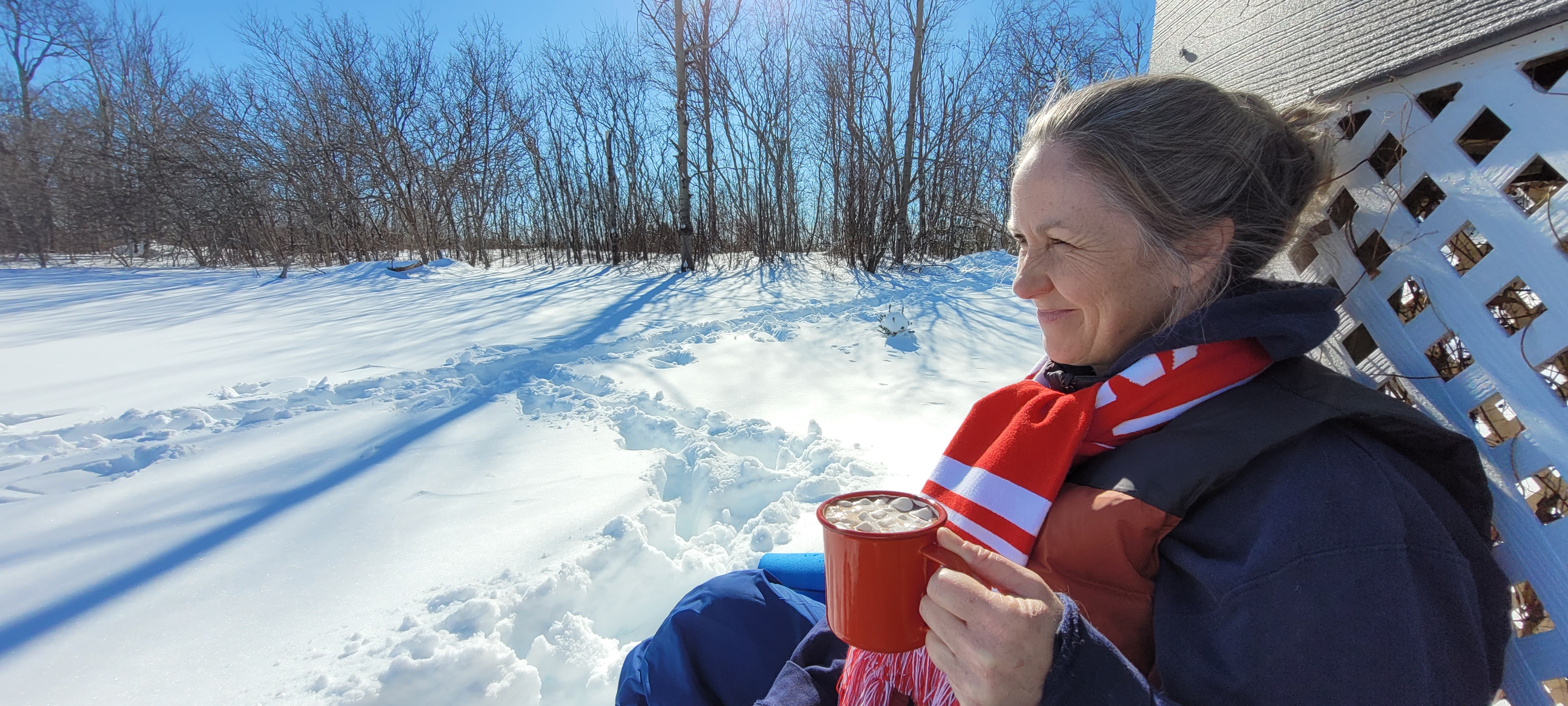
I continue to measure my progress by small victories. For the first time since the stroke I can now straighten my fingers enough to put on just about any gloves (you’d be surprised how hard that’s been). After one of our seemingly endless snowstorms I backed up the car and realised I wasn’t using the camera but doing it the old-fashioned way: steering with my left hand, and looking over my shoulder with my (good) right hand behind the passenger seat. Like everyone else in Nova Scotia I’ve done a LOT of shovelling lately, using both hands. On one sunny day last week last week Sara and I had a hot chocolate date in the snow. I’m able to sit down and get back up from those more difficult places much more easily. My typing is faster and my guitar playing just slightly smoother every week.
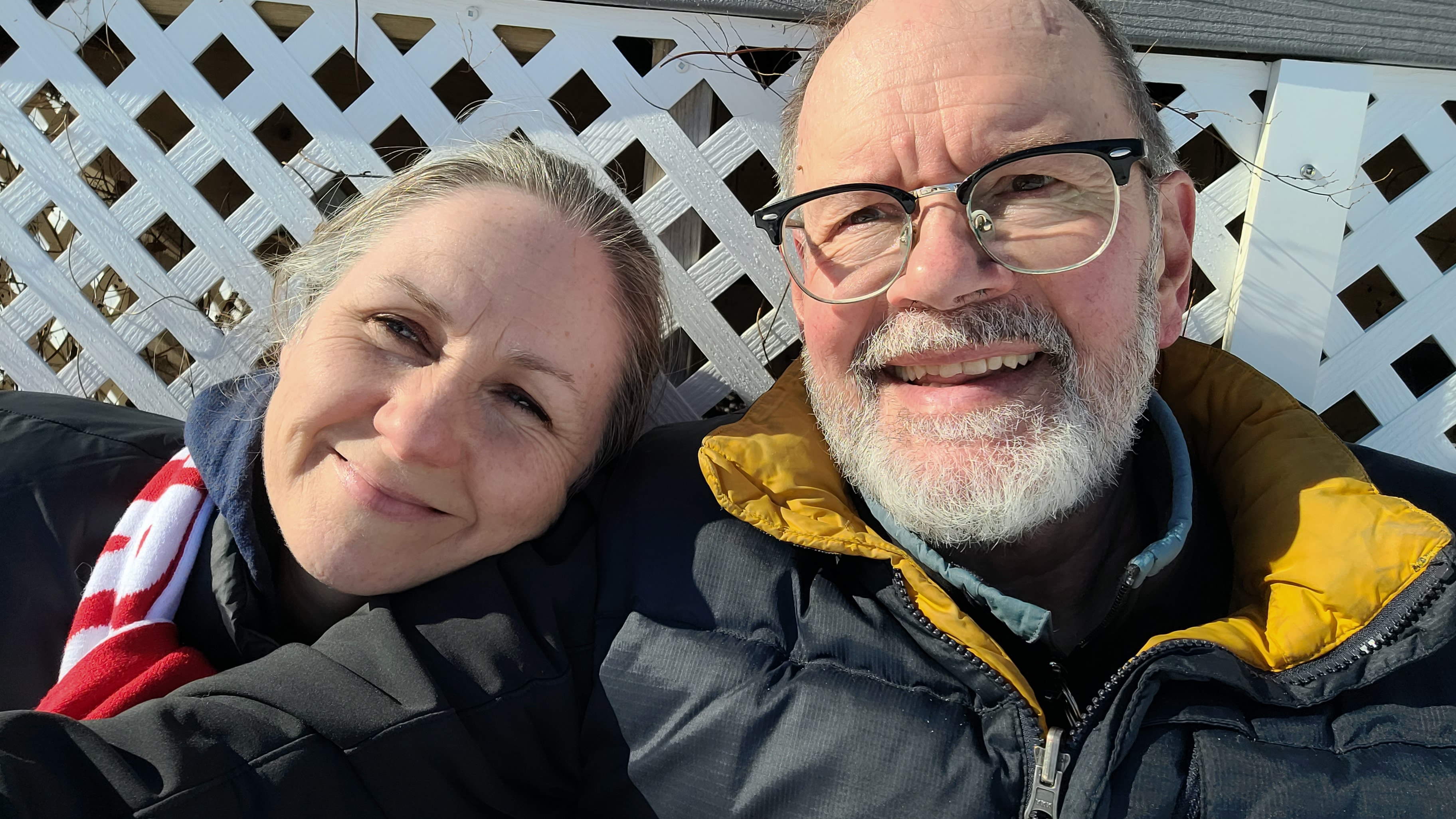
Although I walked 1.5 km recently, my left foot was dragging by the end – a hard thing for someone who identified as a “walker” for so many years. But I’m able to dress myself, put on a belt, and dry off after a shower with both hands now. I can even tie a knot again, if there’s no rush and it doesn’t have to be too tight. In so many ways I feel like a toddler who’s had to learn how to move through the world.

Sauna

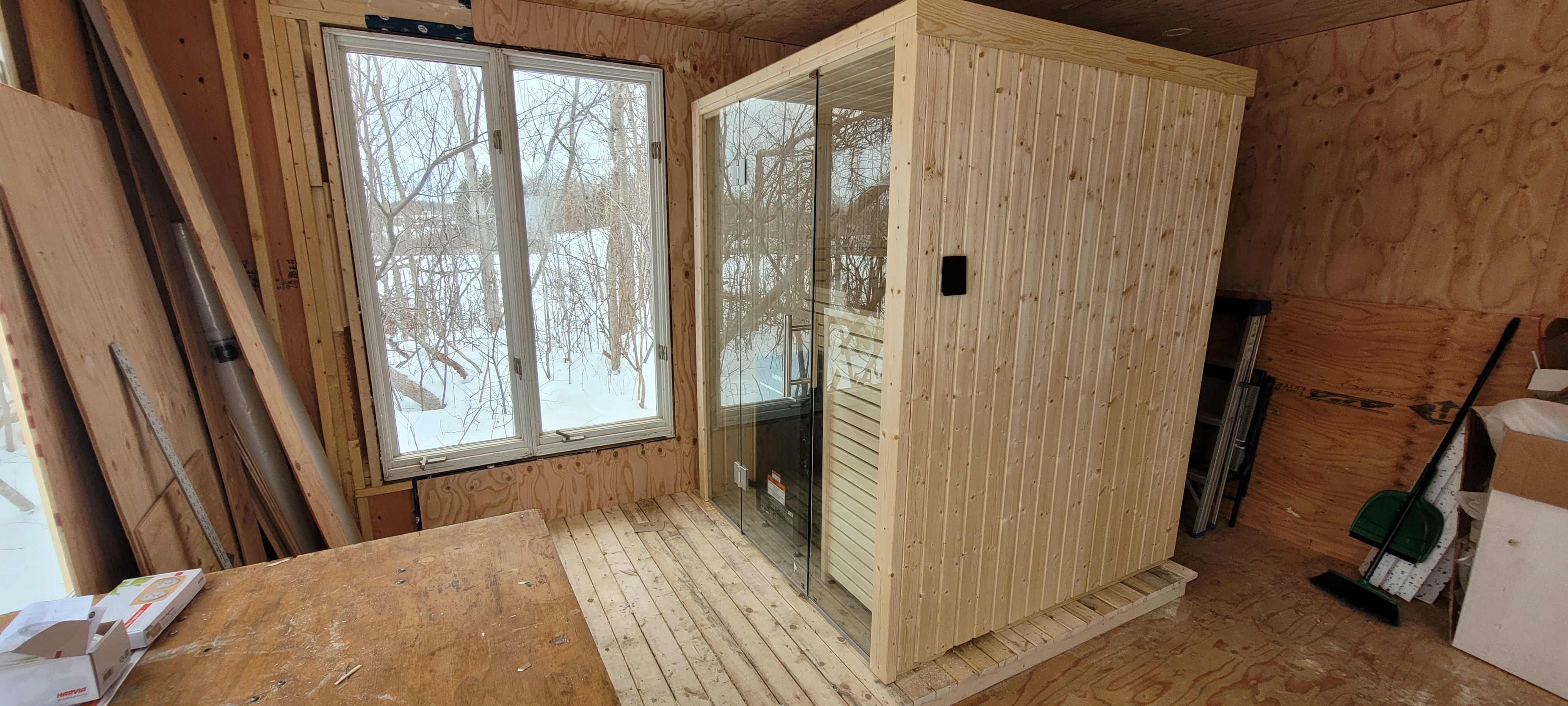
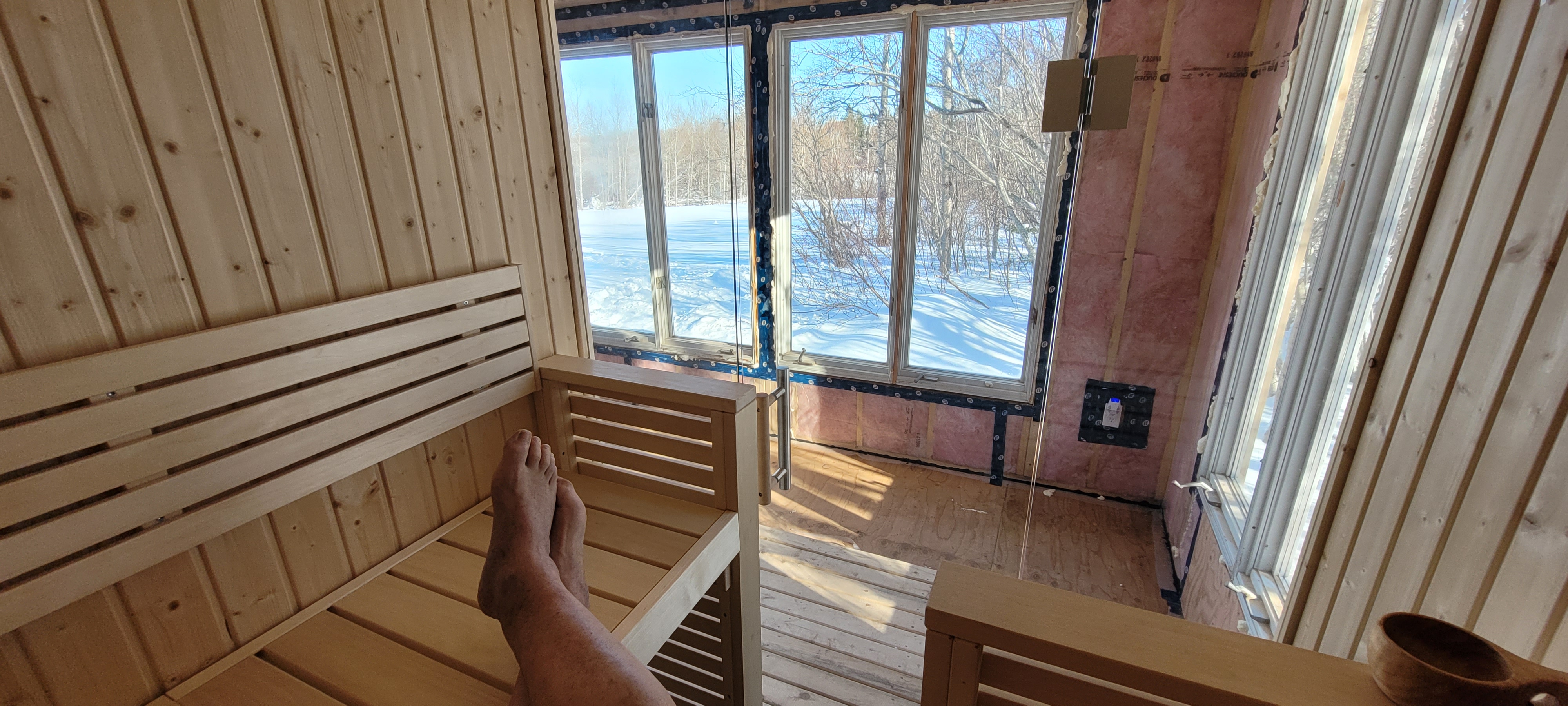
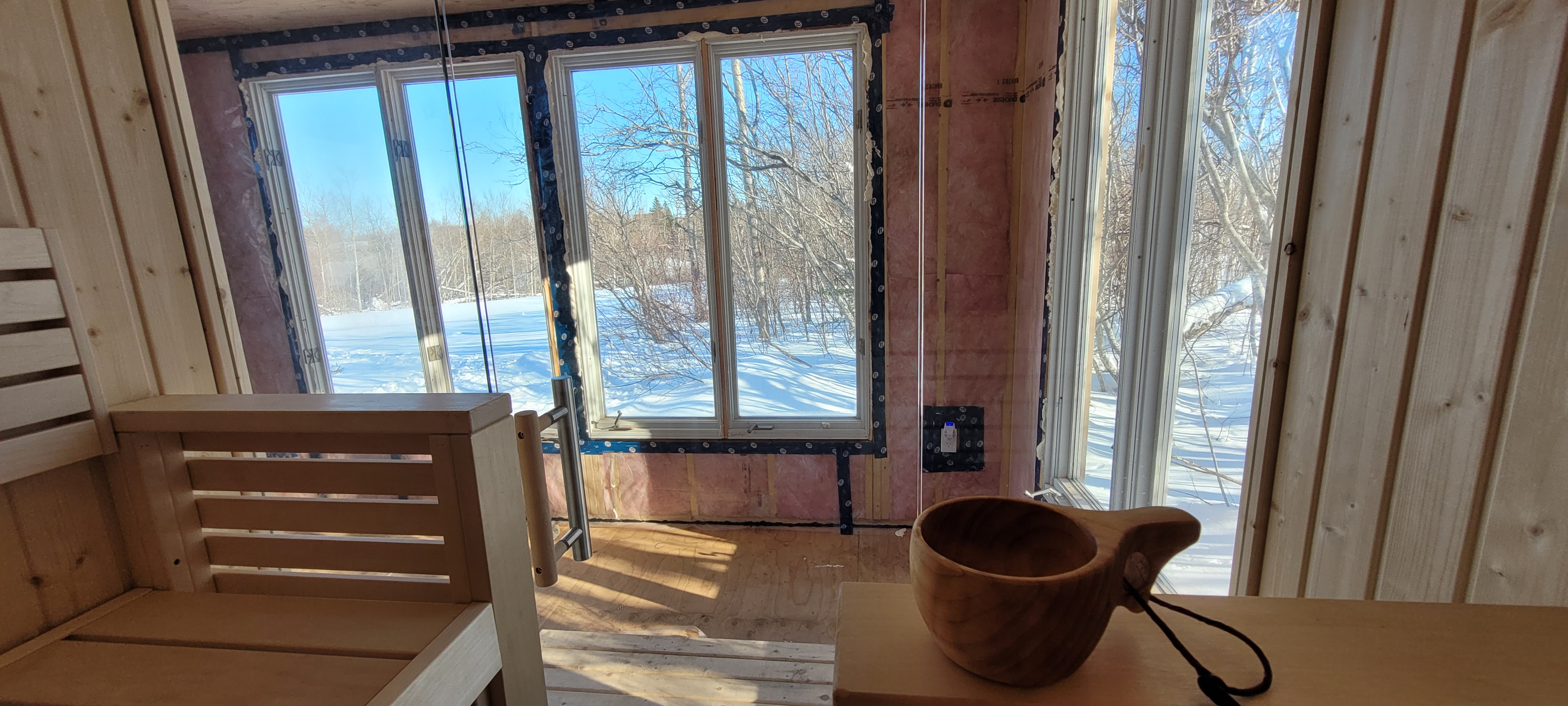
As I mentioned in a recent blog-post, when I had a brief but serious cancer scare not long ago, I decided life is short, and I’d buy a Finnish sauna kit. Ever since my wonderful years with the Finns of Montreal’s St Michael’s church, saunas have been in my blood – and my dreams. I know it’s an incredible privilege to have retirement savings, and to spend some of them on such a luxury. But when I get cold my entire left side seizes up, making walking difficult. And the sauna sure makes my left side – AND the rest of me – feel good!
Serendipity

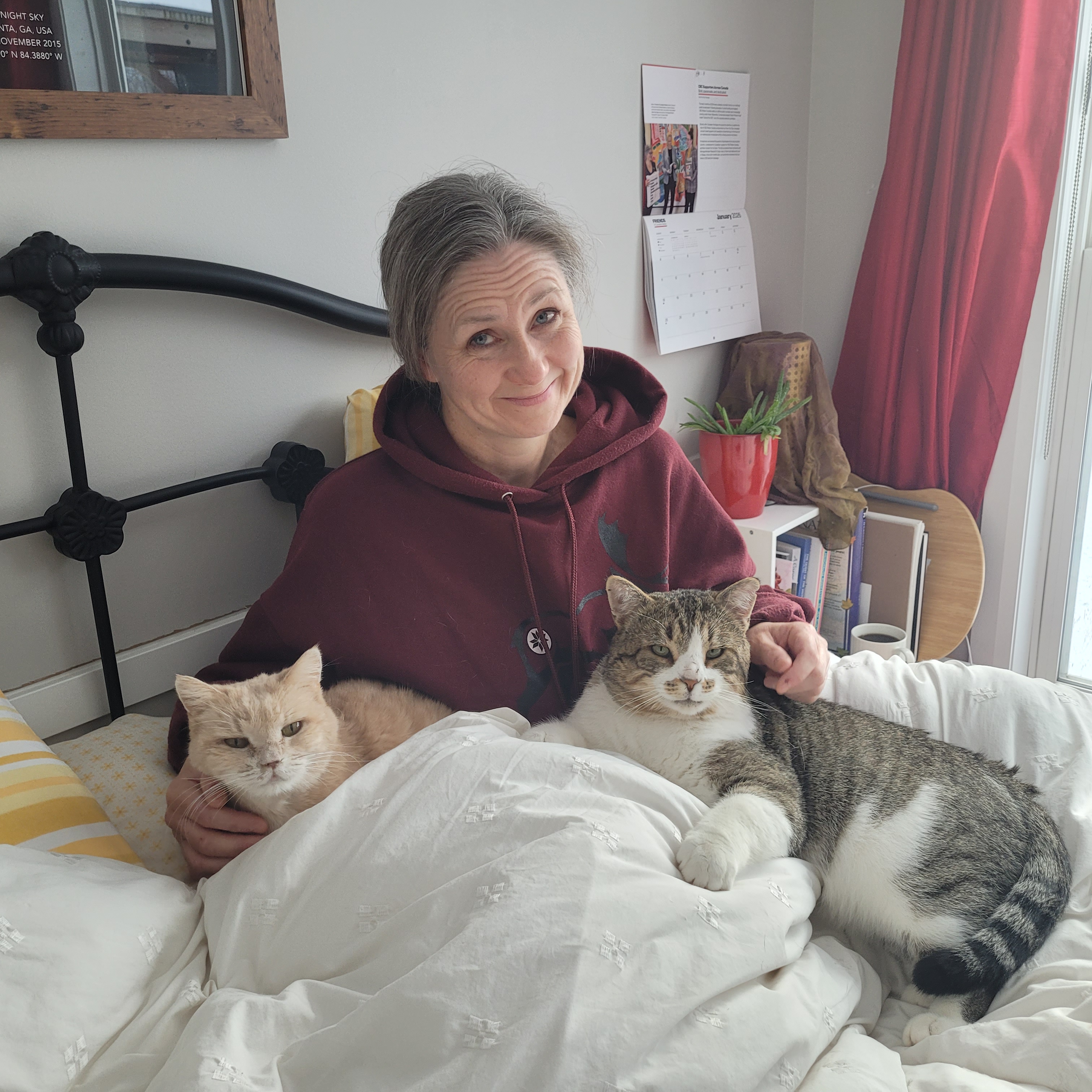
We were thinking Sweet Pea would be our last cat. But then, as I’ve mentioned on this blog, a big feral male showed up near our door in the coldest and snowiest of days last winter. He wouldn’t go near humans, but we’d wake up sometimes after VERY cold nights to find him on a chair on our deck, in the snow. He’d been terribly injured in one front paw somehow, and was un-neutered. Eventually, Sara managed to trap him. But when she opened the cage on his return from the vet, instead of springing away as expected, he turned and came into the house! Theodore is an 18-pound tabby. He’s incredibly affectionate and intelligent, even though (unlike Sweet Pea), he’s scared of any humans but us so far.

Back in his wild days, Sara named him Theodore. Both Sara and I have taught Greek. But until Sweet Pea’s passing just now, somehow we didn’t remember that Theodore also means “gift of God.”
Categories
Uncategorized

Jokamiehenoikeus: Why Canadians need to think Finnish about Nature

photo-3

As different as they are in other ways, most Finns I’ve met have the same attitude toward being outside. It’s where Finns belong: “let’s get out into nature, as often as possible, and as soon as possible!” Whether it’s picking berries, or cross-country skiing, or walking, or a swim and sauna, Finns LOVE the outdoors. The land is their birthright. “No trespassing” signs are odd and out of place. They just don’t seem patriotic.

I knew this about Finns, but until recently I didn’t know the word behind this attitude. It’s jokamiehenoikeus, “Everyman’s Right.” I first discovered its parallel in England and Scotland. There it’s called either “The Right to Roam” (UK) or, more accurately, “the right of responsible access” (Scotland). But whereas in Scotland and in England the laws that allow public access to private land for recreational activities are a recovery of the ancient “commons” understanding of land lost hundreds of years ago, in Finland the practice was never abandoned. There, it’s so much a part of culture that it never had to be made (or re-made) officially into law. Everyman’s (everyperson’s) right is just assumed. In Finland, as one website says, nature is both wild and free. If you’re English-speaking, as I am, you can find handy explanations of  Everyperson’s Right here: http://www.nationalparks.fi/hikinginfinland/rightsandregulations and here: http://www.jokamiehenoikeudet.fi/en/

fullsizeoutput_28daAs a Canadian who knows and loves Finns and has enjoyed the few times I’ve travelled through Finland, I’d like my country to have the same healthy attitude to the outdoors. Unfortunately, we don’t. There are many, complicated, reasons for this, including our proximity to the United States (whose narcissistic, individualistic culture of ownership affects us whether we like it or not), our legal heritage mostly from British background, and the incredible fact that much of western Canada was once the private domain of the Hudson’s Bay Company granted to that company by the British King (without asking the First Nations of course), and then sold to the young nation of Canada to develop in part by pushing its original inhabitants onto small, poverty-stricken pieces of marginal territory.
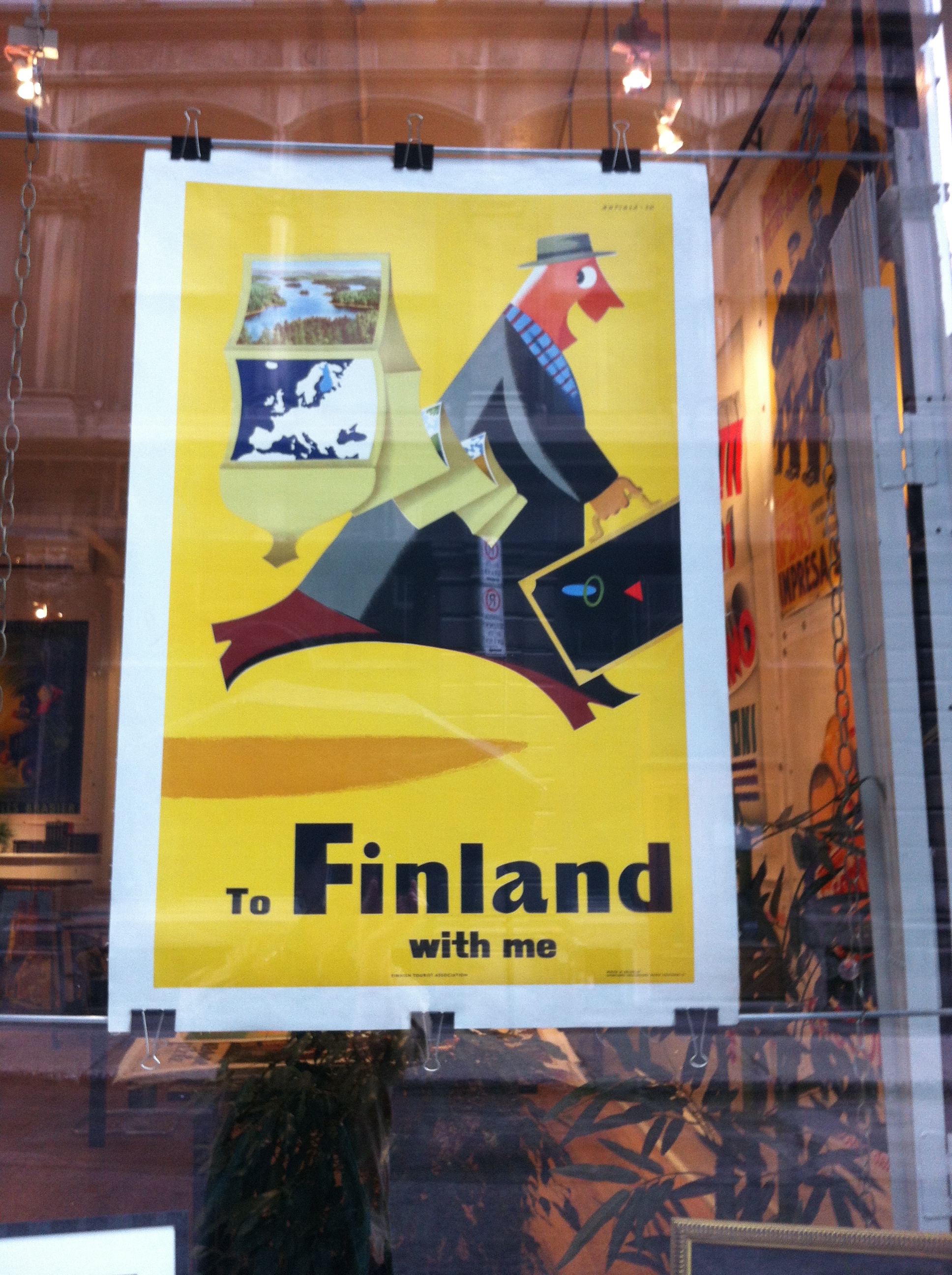
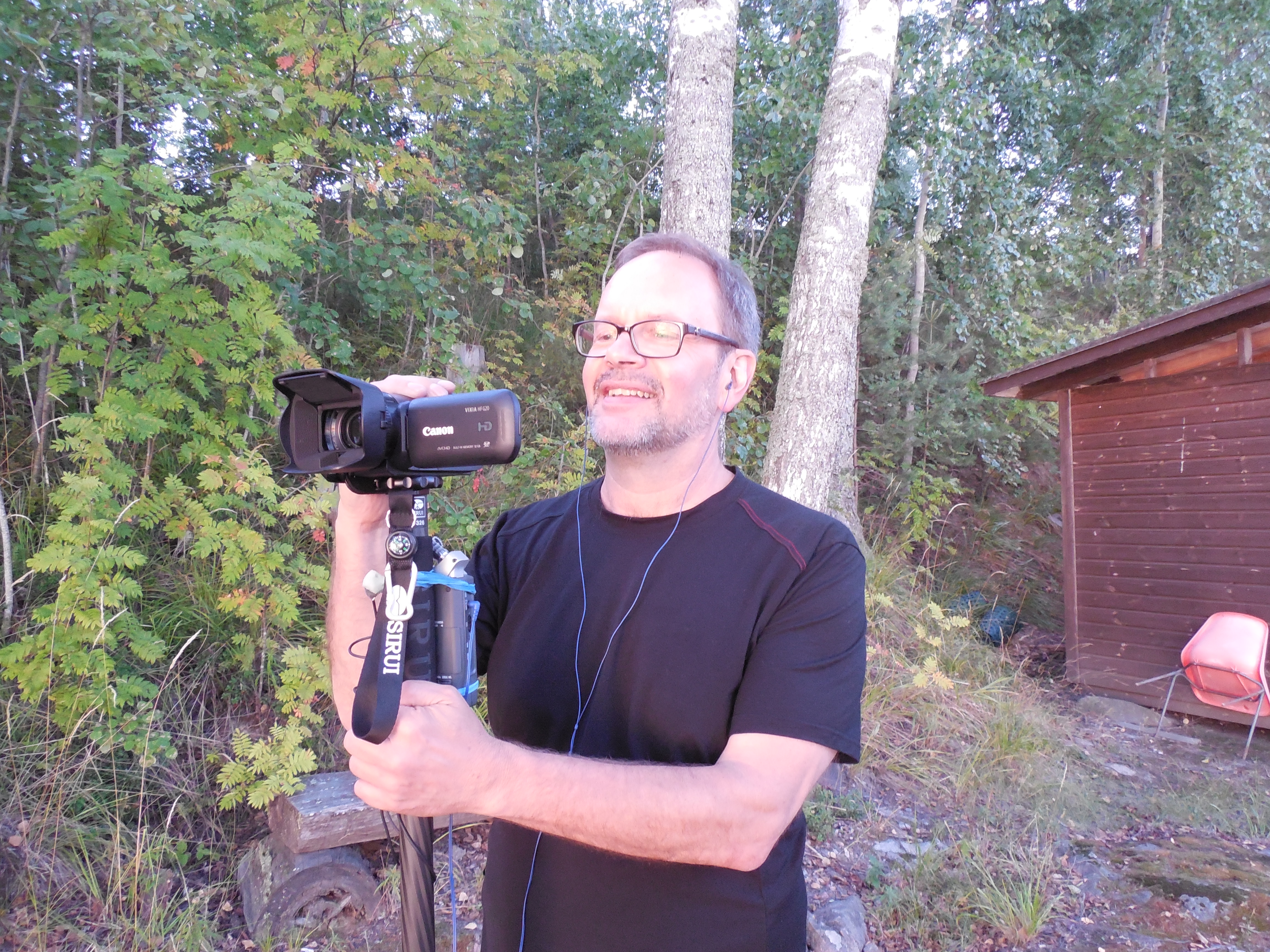
We Canadians have a complicated relationship to our land. We stole it, many of us didn’t come from terrains that look like it, and most of us live in cities with little access to it. Our laws tend to favour private ownership to the detriment of public access. I was stunned, when I first moved to Quebec in the 1980s, to find lakes with seemingly no public swimming allowed, anywhere. “How could this be?” I thought, with two young children in their swim suits in the car and nowhere to swim or picnic. And yet, it’s my belief that many Canadians would change this inherited, selfish attitude to land, if we could. This last summer I wrote an online piece titled “Why Canadians Need the Right to Roam.” It has since had 33,000 views. It was reprinted in the Huffington Post, the Ottawa Citizen, the National Post, and the Narwhal, and led to my being a guest for interviews on three different CBC radio shows about the topic. For Canada to have anything like jokamiehenoikeus, we would have to change much about ourselves. Because it’s not just land-owners who would have to evolve. We, the general public, would have to learn to be more responsible. Land-owners will only see the benefits of allowing limited public access if there ARE benefits, and if littering, vandalism, theft, and other problems don’t arise. The Canadian public must grow up learning to be be as respectful of nature as Finns are. It can happen. But it will probably take a generation.

It’s a worthwhile cultural project. Maybe, in the coming years, Canadians will be asking Finns to show them how to live with nature in a more symbiotic, respectful, and spiritual way. We should be asking our First Nations the same questions, right now. In this way, we will learn and grow. And then perhaps, some day, we too will enjoy Everyperson’s Right.


Categories
Uncategorized

Why Canada and Finland are Secretly Siblings, Separated at Birth

photo-3

Hockey. Need I say more?

But just in case: Finland’s huge telecom communications company, Nokia, is responsible for a large chunk of the country’s economic activity. Nokia had some trouble with its handset business and now, seems almost invisible. Our telecommunications giant – Nortel – actually did disappear.

Reason #3: winter.

Finland knows what it’s like to live close to overbearing, powerful neighbours. Think the United States makes life difficult? Try the Soviet Union, which Finland had to fight off in its terrible Winter War in 1939-40. Or the Russians, recently flexing their military muscles in the far north. Or even the Swedes, with whom the Finns have a love/hate relationship not so different from our own with the Americans. Recently, the Finns concluded a deal with the Swedes to share military hardware. ‘That’s smart. If anything were to happen,’ I said to a Finn at the time, ‘you would have the Swedes here to help you.’ ‘Are you kidding?’ this Finn replied, only half-jokingly. ‘For Sweden, we’re just a handy buffer zone.’

#5: forests. Birch trees. Lots of them.

Finns are polite to a fault. When I was recently in Finland, they would – almost without exception, apologize to me for how unfriendly a country Finland is. Then, in the next breath, they’d invite me for dinner. Like Canadians, Finns probably even apologize for being so polite.

#7: lakes and rivers (rivers are called ‘joki’ in Finnish). Lots of them, too.

Finland is a country with a future. The land in Finland is actually rising up out of the sea, an effect of the rebound since the last ice age, as the land ‘springs back’ from the weight of tons of ice no longer there. As the ice melts, there’s more land to Canada too. Unfortunately.

#9: our poutine, their karjalan piirakka. Just as unusual, just as tasty.

Finland is a safe, relatively happy country with a small population, largely ignored by the world. It has a winter that’s not as bad as its reputation (I was north of the arctic circle in February and it was warmer there than in Montreal). It struggles to do justice in relationship to its aboriginal population (the Saami). It has a linguistic minority in one part of the country and official bilingualism (Swedish-Finnish). Finland has blueberries and black bears, good universities and friendly people. Both countries have a history of social democratic movements that, occasionally, overlap: the most famous Finnish pancake house in Canada is the “Hoito” (Finnish for ‘care’), opened as a workers’ co-operative in Thunder Bay.

There you are: ten reasons why Finland and Canada are siblings separated at birth. I could go on. But of course, like any siblings, sometimes it’s the differences that are also interesting. Whatever else you can say about Finland, you’ve got to love a country that invented the sauna. Imagine visiting during a midsummer’s evening when it stays light into the early hours, and when there are bonfires waiting, with a sauna, perhaps some singing, a cold beer and a swim in the ocean or a shivery northern lake. That’s not just any sibling. That’s a sibling worth getting to know better.

Categories
Uncategorized

Where is Home?

Here is an article that was published last weekend in two papers in Finland, about my new documentary on Finnish Canadians and Americans and the impossibility of ever going home. Thanks for Mari Tiensuu, reporter, for taking an interest in the film! (click on the link below to see the full article in Finnish)

Mari Tiensuu Finland Aug 2014

filming last daysand btw, you can see the 90 second trailer for this film by clicking on the link at the top of this page: Trailer: Under the North Star


Categories
Uncategorized

The Melancholy Giant

sunrise over Sleeping Giant

“Didn’t you know?” asks the woman beside me, “the Sleeping Giant won the peoples’ choice award for the greatest wonder of Canada.” She sits back, folds her arms over her chest. “Beat Niagara Falls by miles, although the organizers had to give first prize to the Falls just on principle.”

My seat-mate is a chatty, attractive, dark-eyed young mother who can’t say enough good about Thunder Bay, home of the Sleeping Giant. She tells me about her husband (a gem of a man. Very busy. He’s starting his own business), her kids (they’re good kids. A bit fussy eaters at this stage but I’m sure they’ll get over that), her weight problems (I need to get back on my cross-country skis so I can get rid of this, patting her stomach) and not least, her town (I’d never move anywhere else. Thunder Bay has everything I need. I lived in Ottawa for two years. I was miserable).

She’s hardly the last to tell me about the Sleeping Giant. “Have you seen the Giant?” asks Jari when he picks me up at the airport. He wrestles the car through lane changes, giving a cursory history and geography lesson of the Lakehead in a gunshot, growly accent I’ve grown accustomed to hearing. He cracks jokes constantly, but sometimes won’t smile, glancing sideways at me to see if I get it. I’ve learned that humour is often a test of intelligence amongst Finns. Despite their dour reputation, they have an affinity for a finely-tuned, ironic sense of amusement.

Jari is an enthusiastic host but a distracted driver, and points out landmarks with abandon until finally we are turning into the old town of Fort William. Even as I’m making the connection from the street-sign, Red River Drive, to the fact that Thunder Bay points west as much as east, there ahead of us is the Giant. No I hadn’t seen it before. No matter. There’s certainly no missing it. The long silhouette of gray granite rises out of glinting Lake Superior in the middle-distance like an eastern sentinel over the Lakehead. The formation really does look like a giant on his back, arms folded.

I’ve come to town for a Suomi, or Finnish, conference of the Lutheran church. This means that for four days I will be spoken to in a language that is so exotic, so difficult and rare, and has such deep roots in old Norse traditions, that Tolkien adopted it as the language of the Elvish inhabitants of his fictional Middle Earth. Many of the elves look a bit like Finns. Or the Finns, perhaps, like elves. Beyond “good morning” and “thanks for the pulla” – a Finnish sweet bread – I haven’t mastered this strange tongue. Although I’ve learned to sing it reasonably well, the words remain a mystery to me, and even when complimented on my pronunciation I’m never sure if I’m actually invoked a blessing or recited a shopping list. Over the four days of the conference I’ve been assigned jobs, most of which involve speaking in English, showing my documentary, eating Finnish specialty foods, and making various forms of music. In other words it’s a perfect conference.

They don’t say “Finnish” here, as in “I speak Finnish”. It’s shortened. “Do you speak Finn?” Maybe that’s more accurate, because there’s a whole culture on display at the conference. It’s not exactly Finnish and not exactly Canadian, a hybrid culture of Canada and the old country that’s aged together with these older immigrants. Many of them are senior citizens who came to this land over fifty years ago now, but still sport names as thickly Finn as their accents: Pirkko, Eili, Tuula, Ritva, Markku, Olavi, Jari.

“Does the Sleeping Giant have a name?” the driver of the yellow and black, slightly beat-up Roach’s Cab repeats my question before answering it. “Yes, his name is Nanabijou. The legend is that he was a Native warrior who made the mistake of telling the white man where to find silver. So white men stayed in this country, and as a punishment the gods turned the warrior into stone and put his head right beside the silver he showed the white man.”

“You believe that?”

The taxi driver, definitely a non-Finn, answers my question with a question: “how long you in town for?”

When I tell him only a few days he shakes his head. “Too bad. I’d take you out in my boat – it’s a beauty, a thirty-footer – and you could see the flooded mine shaft for yourself. Water’s clear as crystal, a big black hole near the giant’s head.” I promise to look him up next time I’m in town.

To my mind, Finn hymns are some of the most beautiful ever written. But perhaps that’s because I have a taste for minor keys and wistful, elegiac melodies. The hymns can be as dramatic as the people are not. “Sure they’re beautiful,” says someone sitting beside me during the choir practice. “If you’re prone to depression.” Then he glances sideways at me.

The first day I wander along Thunder Bay’s developing waterfront, where you can smell municipal and provincial development funds and the hope of better to come. There is a sort of urban life here, but it’s just beginning. Where in Montreal or Toronto such a view would mean streets crowded with terrasses and tourists, the sidewalks here are largely empty and the evenings silent, except for the odd walker returning from the local McDonald’s.

For the next two days I’m busy with the conference and barely get back to the harbourfront. On my final day an elderly Finn, Eepu (one of the disconcerting things for a foreigner about Finn names is that it’s hard to tell what gender they are. Eepu is an elderly man) takes us back to our hotel before we go to the airport.

We are heading toward the bay when Eepu does something entirely unexpected: he pulls out a harmonica. Still driving, he begins to play. His gnarled right fingers hold the instrument close as a lover, and from it come the most beautiful, sad melodies, tunes you might dance to, but only the final dance of the evening, before parting forever. I think that Finn folk music sounds a bit like tango.

Just then we crest the hill, and there before us are the 250 meter-high cliffs of the Giant. As I marvel at the sight, Eepu launches into Finlandia. Everyone is silent. Sibelius’s sad and noble melodies fill the minivan. There is a curve to the left and then the right, a left turn, and with the final notes of the anthem we are at the hotel.

Eepu gets out to hand us our luggage. Most of the passengers speak Finn and there is a chorus of kiitos (thank-yous), and a few hugs. “Thank-you,” I say to him. “The music was wonderful.” He shrugs his shoulders. “Sure,” he answers. “If you like that kind of thing.”

Eepu plays mirror