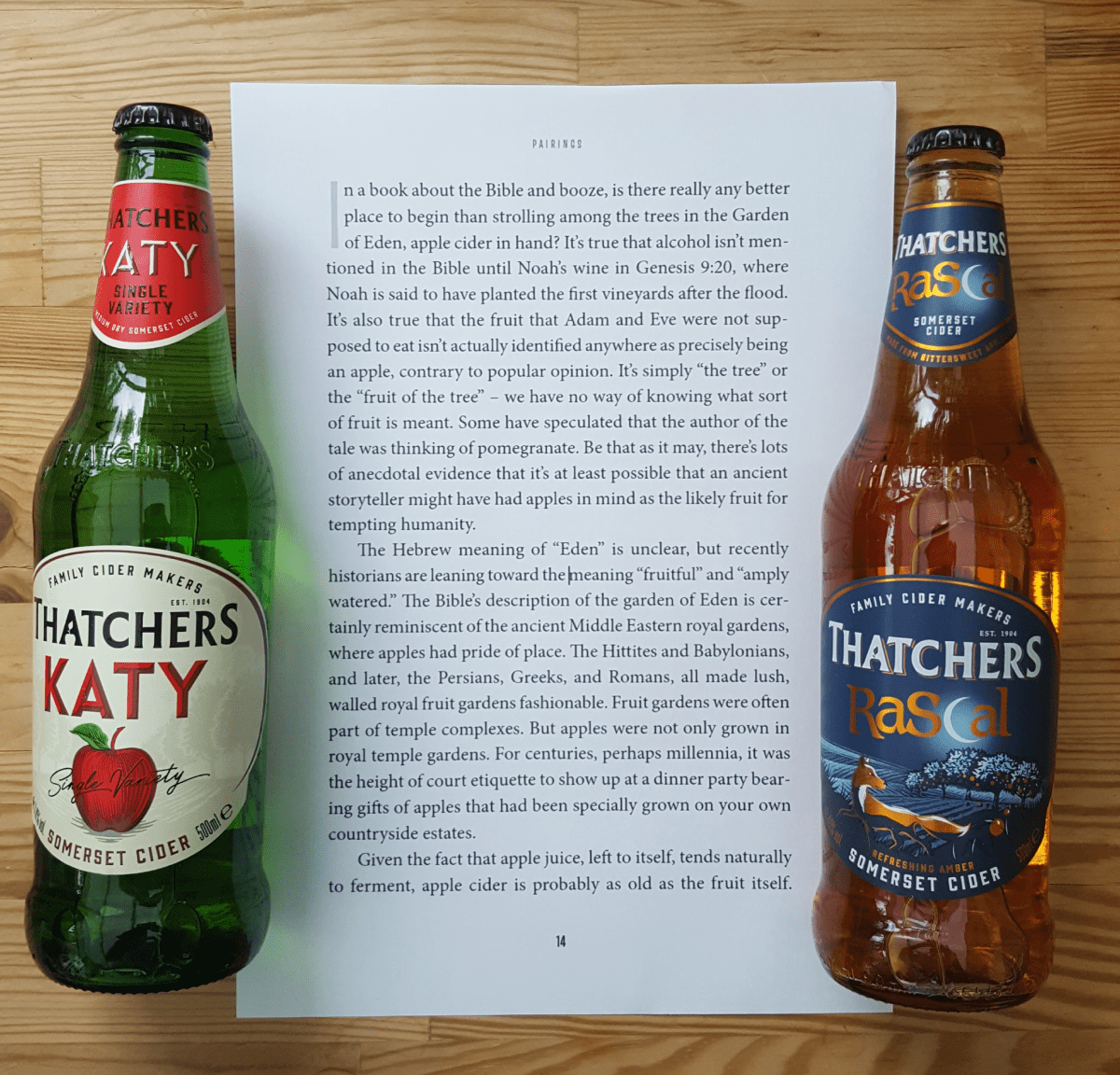
You can find a good cider almost anywhere apples are grown, but England has some of the best. In today’s post, I’m serving up these two Thatchers ciders—Rascal and Katy—with a sampler from chapter one of my book Pairings: The Bible and Booze. Why this pairing? Two simple reasons:
1/ “Rascal” is yet another in a steady stream of apple cider branding that portrays the product as “sinfully good,” “temptingly tasty,” and “devilishly delicious.” Notice a theme here? Without necessarily mentioning the Garden of Eden, many cider companies rely on advertising and logos that “tap into” images of apples and temptresses that we think are from Genesis. But are they really biblical? This brings us to the second cider…
2/ “Katy” is the name of one of the biblical scholars I quote in the chapter – Dr Katie B. Edwards, Hebrew Bible specialist, BBC broadcaster, and author of Admen and Eve: The Bible in Contemporary Advertising. In Admen and Eve, she shows how Eve has been so consistently portrayed in art and in advertising as a “femme fatale” that we forget that that’s NOT how she’s actually portrayed in Genesis! There are many other ways of reading the story of the Garden of Eden without linking an apple (iffy) with Eve as solely responsible for original sin (look to the Church Fathers for that one).
Katie was kind enough to write an endorsement for the back cover of Pairings.

You can read more about Genesis 2-3, Katie, and the secret history of apples, in chapter one of Pairings: the Bible and Booze, “Low-Hanging Fruit: Apple Cider and the Second Creation Account.” Each chapter of the book pairs a specific drink with a specific biblical text. Chapter one pairs the Genesis creation accounts with either a fermented cider, like one of these Thatchers, or an alcohol-free farmer’s market cider, like the ones you can buy from Rougemont Quebec, or in the Okanagan, or the Niagara Peninsula, or the Annapolis Valley.
Order your copy at https://en.novalis.ca/products/pairings !


 Which makes me realize once again that there are many parts to a walking pilgrimage: the journey is only one of them. A big part of any pilgrimage is narrative: the stories that gave rise to the pilgrimage (at Lourdes, for instance, the Marian appearance to Bernadette), but also the stories that come out of the experience of the pilgrims. Like the dozens of crutches left in Brother André’s chapel at St Joseph’s Oratory, Montreal, or the hundreds of pilgrim blogs, videos, books, and poems arising from the Camino de Santiago in Spain, these later stories “layer on” to the original narratives, making the original journeys richer, more complex, and more about the present. A pilgrimage stays ever-present – and ever meaningful – in its re-telling and sharing. For that I’m thankful.
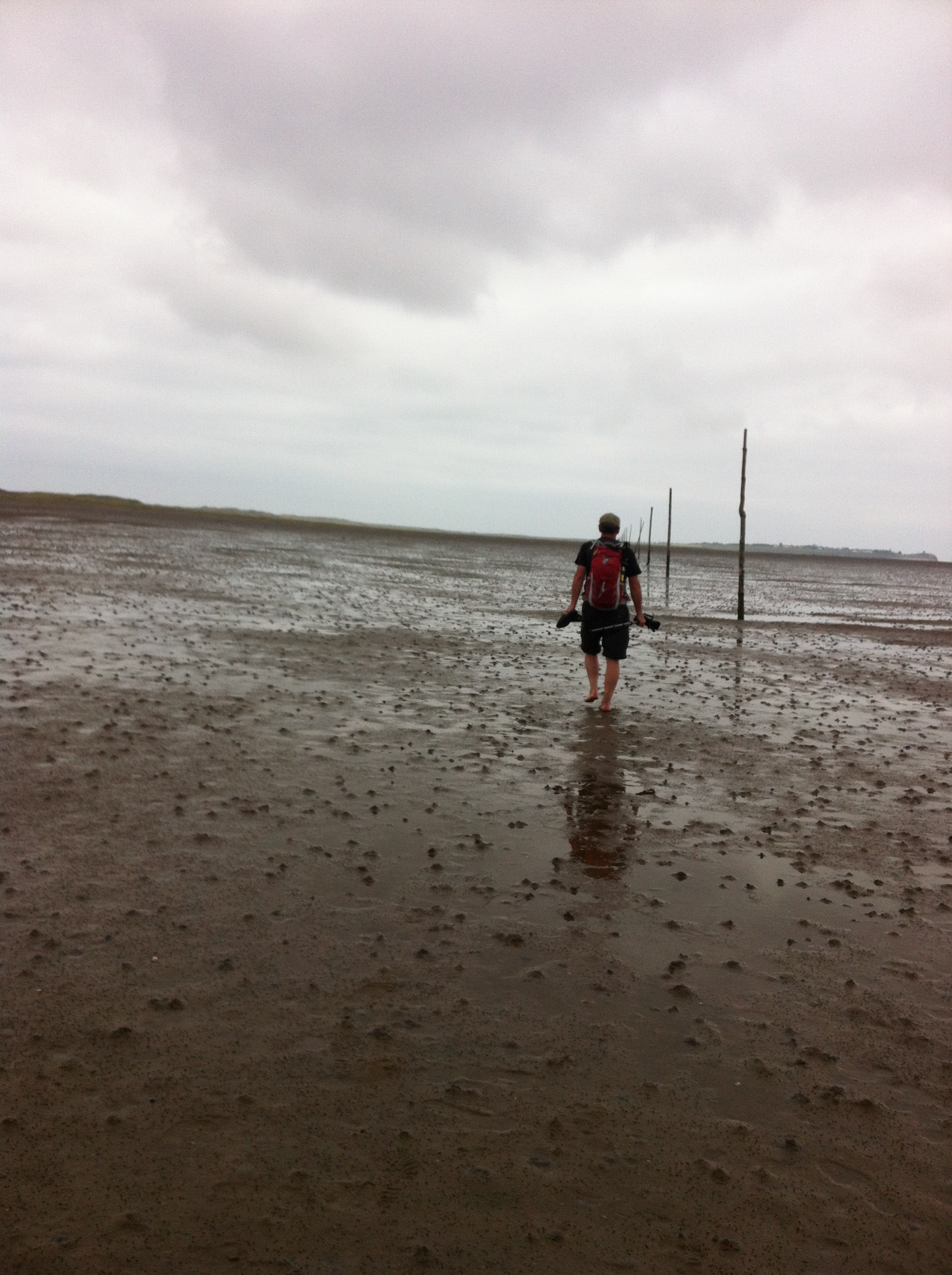
 I’ll introduce you to enthralling paths in Norway, Scotland, England, Iceland, Canada and Indigenous territories, and provide some of the resources you’ll need to walk them. All the while I’ll be telling the stories of the fascinating individuals I’ve walked with and met along the way, and sharing snatches of our conversations, songs, and experiences.
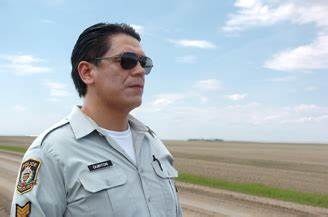
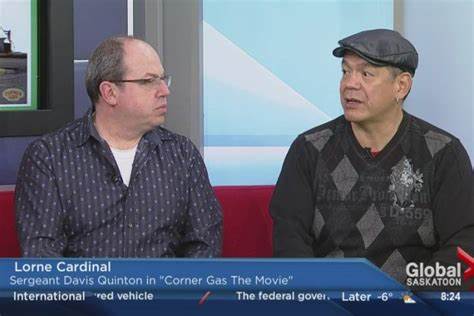 As an academic, I’m intrigued by the choice made by Butt to cast the roles of Dog River’s police officer and hotel/tavern owner with Indigenous actors. Perhaps this was accidental, but I doubt it. It strikes me as subversive, and positive. As Butt would also have experienced, in the small prairie towns in which I grew up both those roles were more often in conflict with Indigenous persons than embodied by them.