Categories
country life stroke-recovery Uncategorized

My Two Year Strokeaversary

ambulance trip for heart surgery

I can’t believe how fortunate I am to be where I am this on this anniversary, slowly typing these words with both hands (!), sitting at our kitchen table.

How It Started

Two years ago, a stroke caused the paralysis of the left side of my body and began a four-month sojourn at St Martha’s Regional Hospital, Antigonish. In those early dark days, as a roughly two-centimeter sphere inside my brain died and a larger area of cerebellum around it went into temporary shock, it looked like I might lose my ability to eat, talk, and even swallow. To hear and to properly understand others. My speech slurred and for a few days I was forbidden solid food. You can read my early thoughts, during those first moments, here.

I’m thankful, every day, that the worst didn’t happen. It happens to others. I was fortunate.

I’m also incredibly thankful I live in a place with a public health-care system. Sara and I did not go bankrupt over my stroke. I was not rushed out of care prematurely. Sure, things weren’t always perfect. Mistakes were made, and not all care workers are equally competent. In any system. But I was looked after for four months, then followed up for a long time, by hard-working professionals who cared deeply about my recovery. Nova Scotia’s creeping (and very intentional) health-care privatization is a threat to outcomes like mine. In our lives, in the lives of neighbours and loved ones, we will all face some of what I did in those months. We need to stand up for patients over profits.

Anyway, after it was clear I’d survived the stroke, thinking and speaking intact, other questions started swirling. Not, ever, from Sara, who just kept showing up day after day that fall, advocating for me, writing notes as doctors and physios came in and out, never questioning this new phase in the autumn schedule, like it was just another work contract that had come up unexpectedly. Not really from me, either, so single-minded on recovery. But from the extremely helpful, caring, and busy health professionals just trying to do their jobs and facilitate my adaptation to a new reality they’d seen many times before: how will you use the bathroom? Do you have stairs at home? We’ll get you a spike to hold vegetables while you cut, a post to help you stand up from the toilet. A shower chair. A walker to move from room to room. And, by the way, you’ve lost your license.

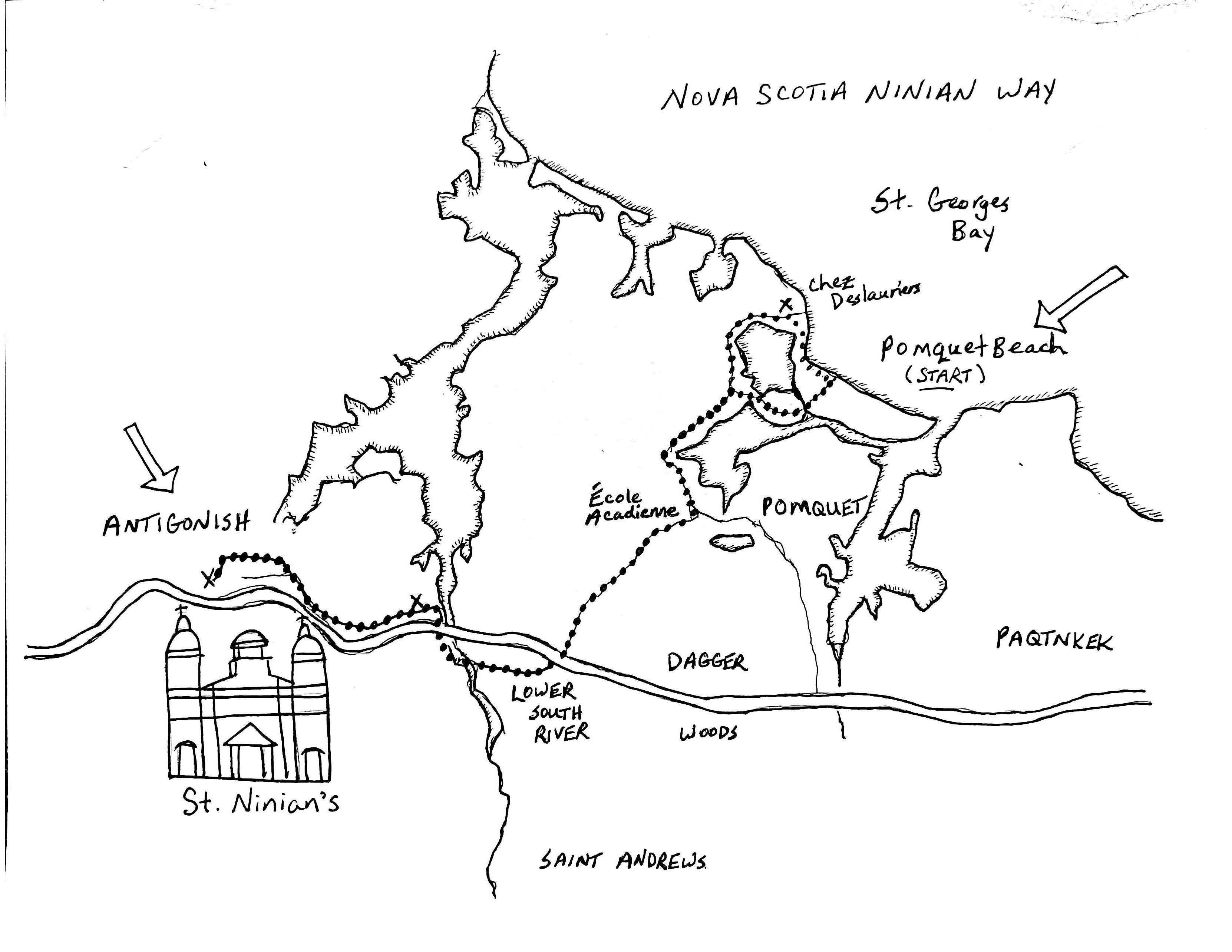
Two days after triumphantly leading a group of walkers on a 25-km jaunt from Pomquet to St Ninian’s Cathedral along roads I optimistically called “The Nova Scotia Ninian Way,” I couldn’t even to get out of my hospital bed without a two-person lift.
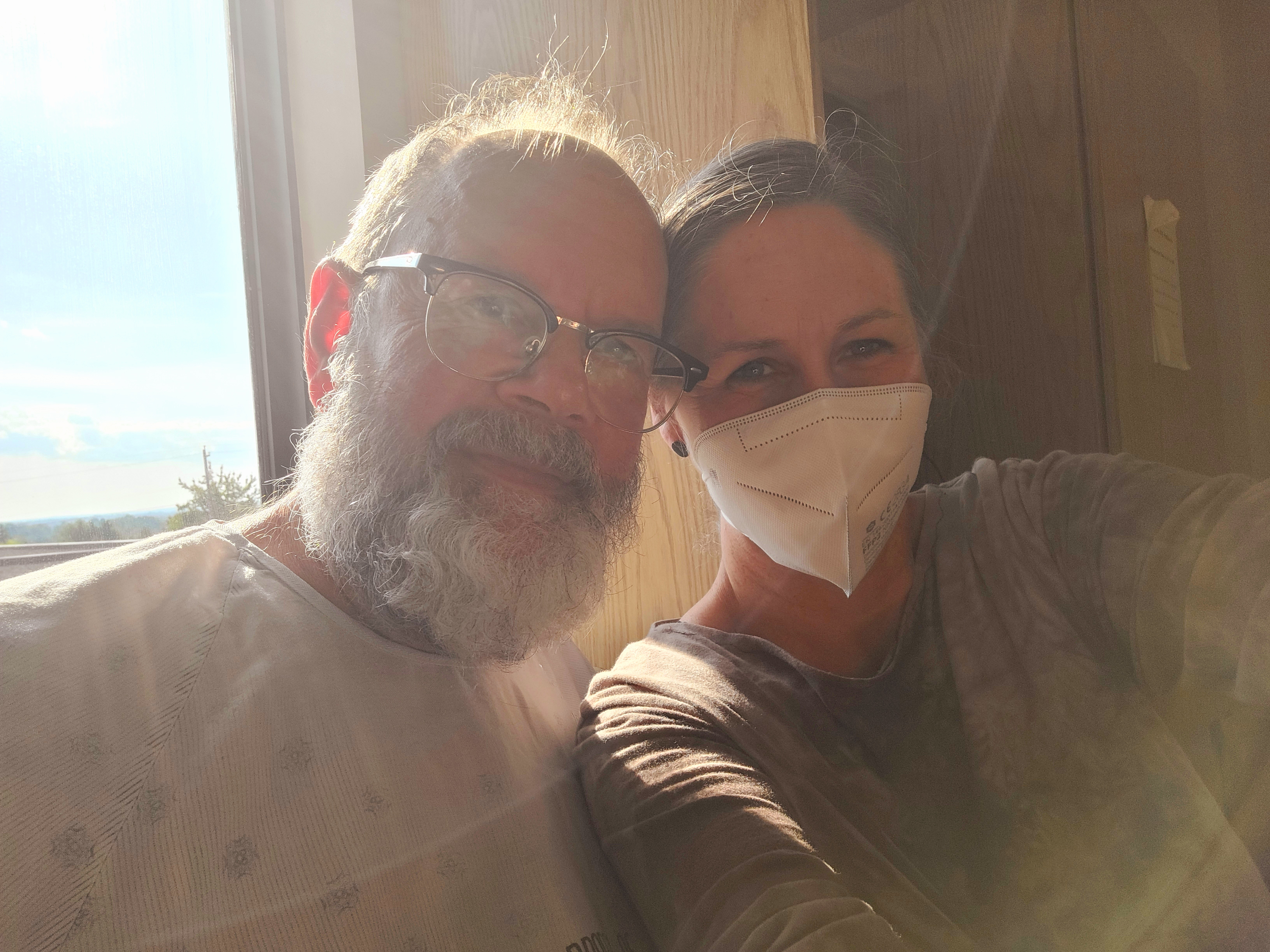
I’d been plucked from my comfortable, happy life and set at the base of a high mountain. No one ever told me (and Sara) we had to climb it. We just did. People have told me we were brave. Perhaps that’s true. I certainly never felt it.

In an instant, my world had been reduced to chrome bed rails, thin sheets over rubberized mattress covers, a call button that was often out of reach, IVs, meds, blood tests, and a body whose left half seemed permanently asleep. My usual varied routine had been exchanged for three hospital meals, two physio sessions a day, one quick physician visit, if I was fortunate, and hours and hours in a wheelchair by a window, left hand lifeless, furiously writing notes with my right to keep my brain active and record what life had become.
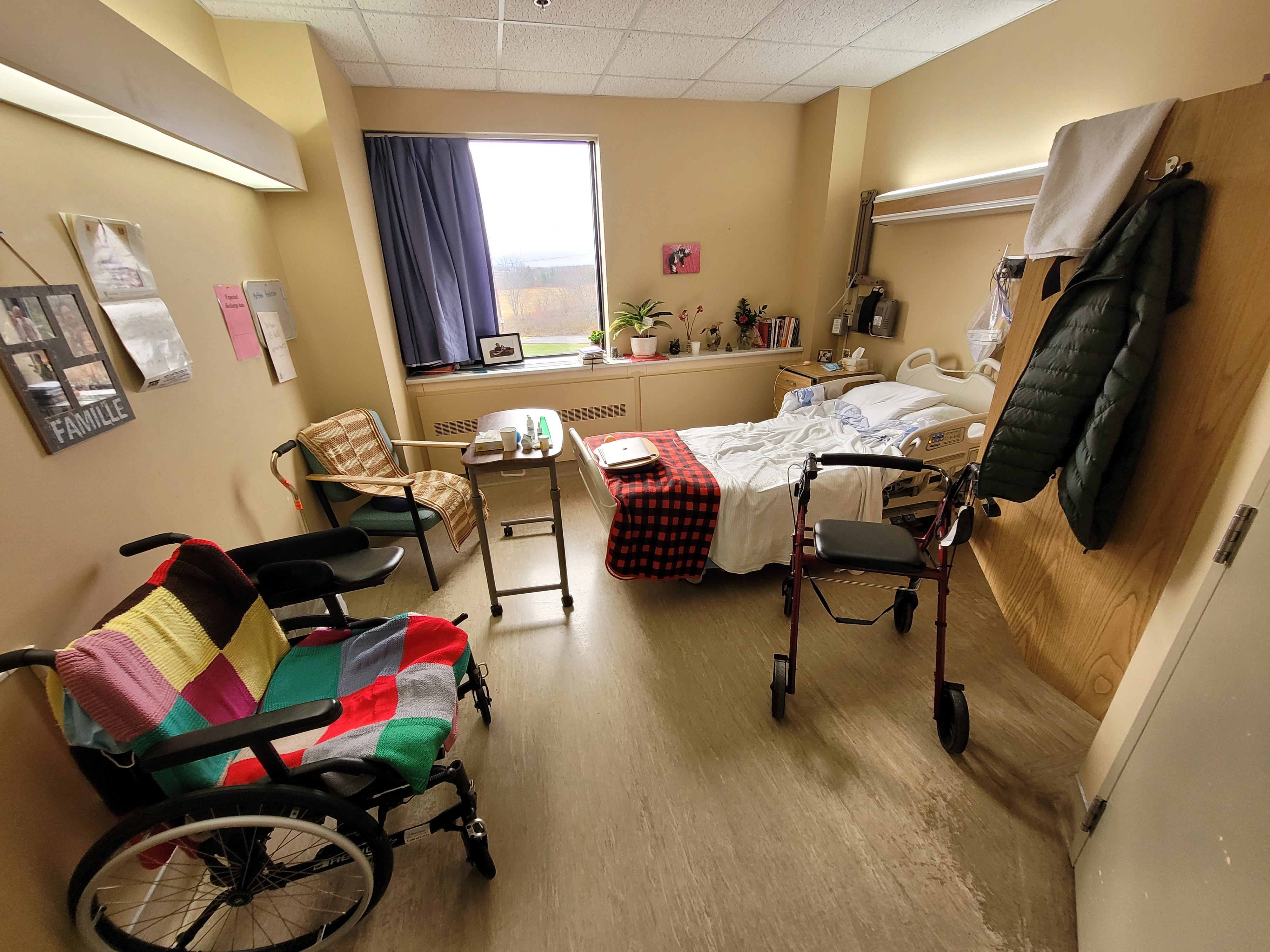
Eventually I realized I had a choice: to apply myself and do my exercises every day – or not. I’m thankful my determination had clicked in. I had flowers and cards almost daily, thanks to a community (many of you!) that kept me going. Sara kept bringing in books, quilts, and art for my room. She arranged things to make me comfortable and, as I came to realize, as a subtle way of reinforcing my individuality and worth to an institution and in the face of overworked systems that sometimes reduce real people to “bed 355B.”

I was admitted September 17th, 2024, discharged Dec 20th. Just in time for Christmas.

First steps, post stroke

How It’s Going

It’s going well! Two years on and I’m not quite back to my old self. Since the aging process stops for no one, maybe that “old self” is forever in the rear-view mirror. But it’s amazing what I can do.

I use no mobility or bathroom/shower aids, and I passed my recertification on what turned out to be the 50th anniversary of my teenaged driver’s test. I have a handicapped parking sticker I enjoy, although I’ve started to feel a bit guilty. I sleep through the night in my own bed. I’ve had heart surgery to repair the hole in my upper chamber where the clot may have slipped through (thank you again, public health care!). I climb stairs using a handrail and although I have a limp I’ve walked up to two kilometres at a go, aiming at more. I can easily crouch to fetch a saucepan from the cupboard. I can hammer a nail, use a spade in the garden, make jelly, and even climb a ladder to hammer a T-post for our saplings needing support. If I’m careful.

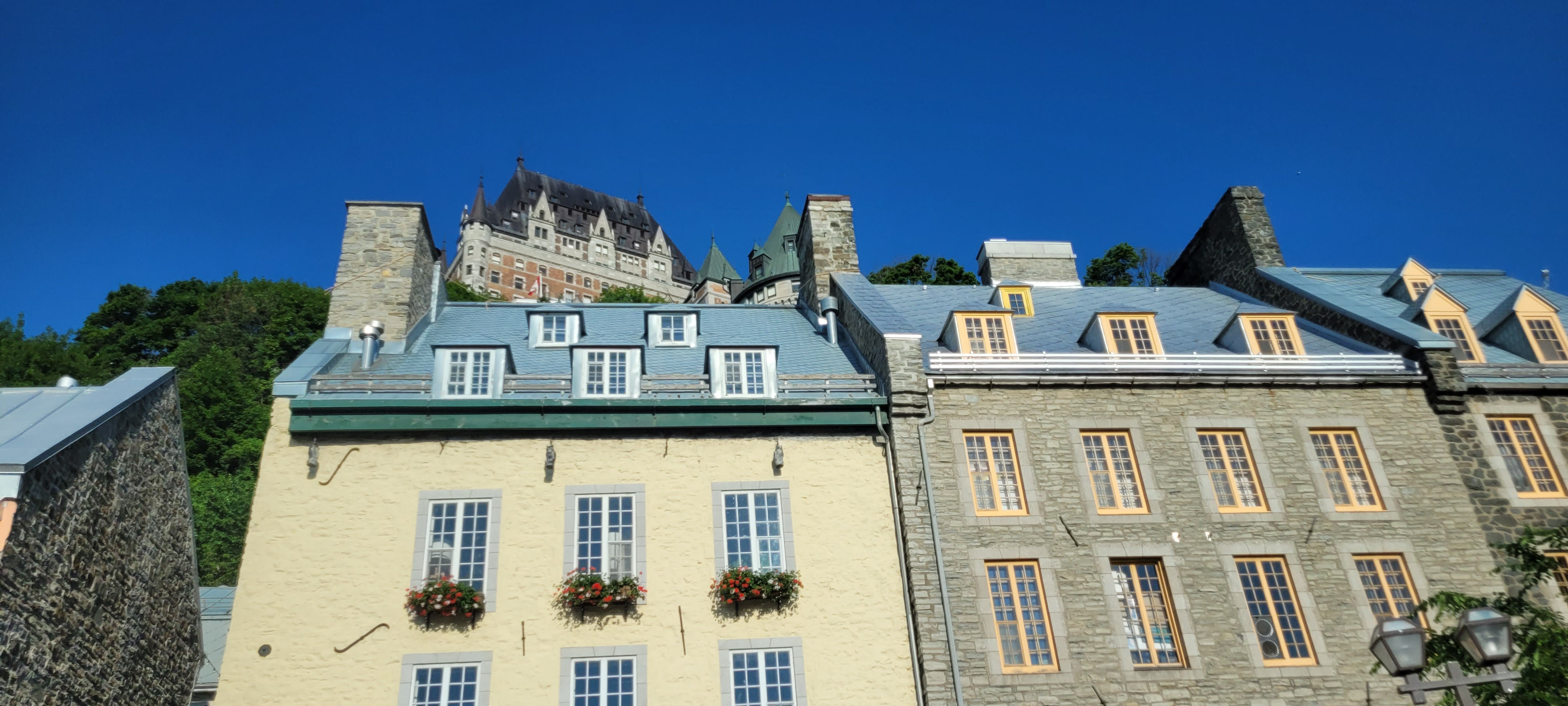
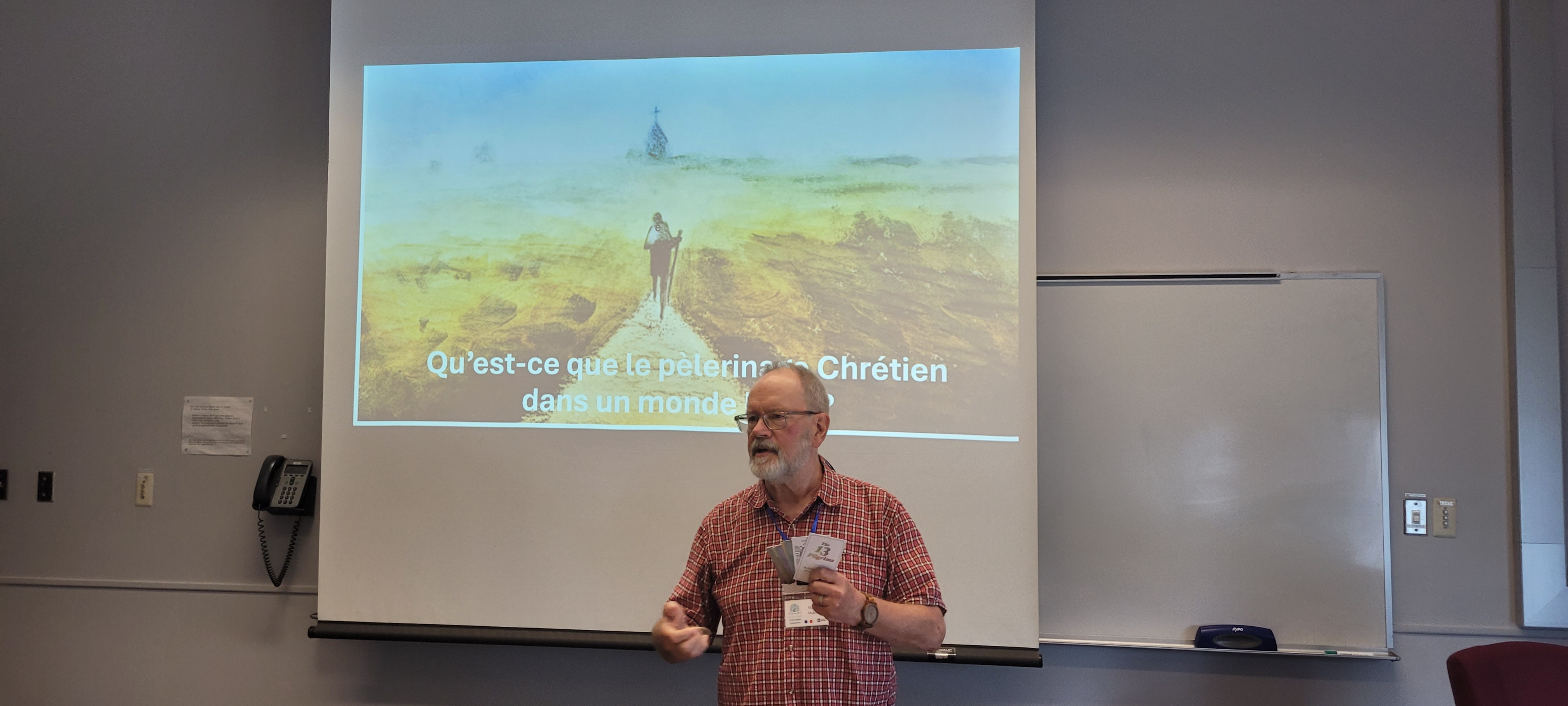
This summer I dared to travel by myself to a conference in Quebec City , and even managed the steep hill to the Old City (but a shout out to David Duncan and Colleen O’Toole for all the rides!). Just recently I started using my left-side pockets again. I often stop something I’m about to do with my right hand and switch to my left: unscrewing the small plastic milk lid, fetching a jar from the fridge – or if I’m brave – from a high shelf. I can tie my shoes again – although annoyingly, I threw away my old laces back when I couldn’t.
But especially in the mornings and later evenings, sometimes I feel have a robot arm…everything’s so disconnected and jerky. Nonetheless, my guitar playing gets better weekly, helped when I remember that actually, I was never that good!

I do have more “guitar face.” Guitar face is just the continuation, in a more subtle form, of the sympathetic body movements I’ve had to make ever since the resurrection of my left side. The first time I was able to very slightly twitch my left thumb, it was only after minutes of vigorously pumping my right leg up and down, straining my face, and clenching my stomach as if doing sit-ups. That ever-so-slight movement left me exhausted.  I remember telling hospital staff I couldn’t show anyone else my thumb because the rest of me was too tired!

Now, in the mornings, my left eyelid sags. I practise raising the droopy offender in front of a mirror, hoping I won’t look too unbalanced for the 8:30 am class I teach at Saint Francis Xavier University.

That left eye is the sign that my entire left side was hit by the stroke – not just my hands and feet. Occasionally, when tired or cold, I still stumble over multi-syllabic words that never would have tripped me before. And my hearing! An “F” and an “S,” or a “T” and a “P” sound so similar I often can’t distinguish them. It’s made for some funny misunderstandings.

Maybe it’s because my arm and hand have improved so much, this summer I’ve been focussed more on trying to improve my walking.

Comorbidity is defined as a “medical condition that exists alongside a primary medical issue and affects your health.”  I’ve been so focussed on getting my left leg going I didn’t realize that in the meantime I’d developed a kind of arthritis – it’s turned that side’s big toe inward into a “claw appendage.” That’s one reason my gait hasn’t improved more (try walking while avoiding pushing off from one of your big toes. It’s almost impossible).

So, this summer I bought two different straightening devices, and now I consciously spread my toes whenever I remember. The results are encouraging. I also finally got a foot brace to keep me from snagging my left shoe so much. I’m hoping it will help for longer walks and give my brain a break from having to remember to lift that foot every step.

Everything After Everything Falls Apart

In two weeks, I’m the guest speaker for a gathering of Nova Scotia United Church clergy. I asked them: “what would you like? I could lead a retreat on biblical studies, on pilgrimage, on Leonard Cohen, on settler-Indigenous relations…” They replied: “would you be willing to talk about your stroke, and your life since?”
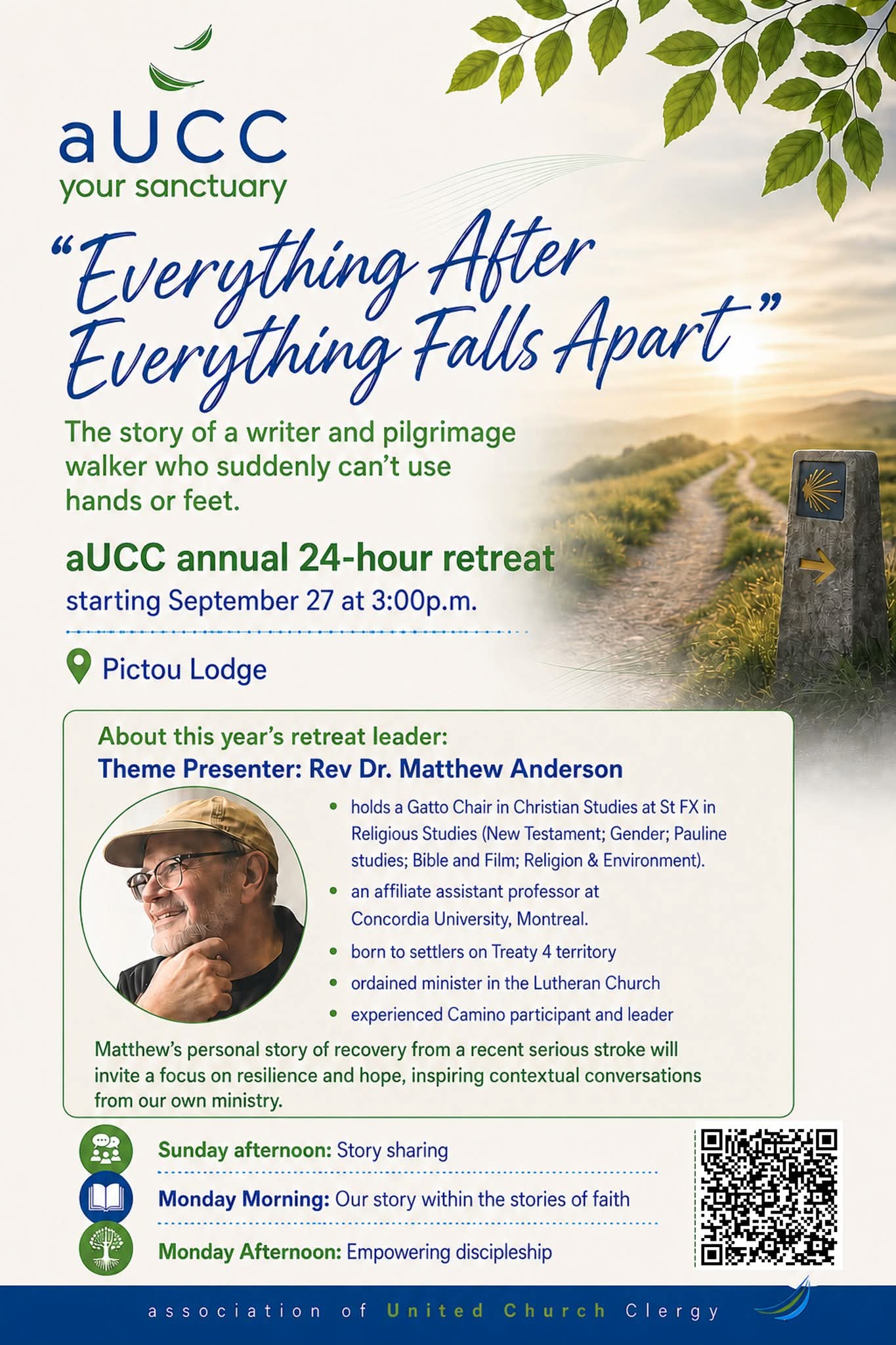
I’m not completely sure what I’ll say. But I’ll start at least, by saying that when everything – absolutely everything – falls apart, it may not feel like it, but it can be a gift. For ourselves. And for empathizing with others.

Two years ago, I was caught briefly between life and death, and I got life. Not because I deserved it. That’s just what happened. For a few critical hours I hung on a pendulum between silence, isolation, and pablum on one side, and full, rich communication on the other. By some miracle of timing, clot placement, and grace I came through the tunnel still able to process thoughts and speak words others could understand. What a gift.

It’s no surprise that every day feels like a privilege. Because it is. That’s true for everyone, of course. All the time. Life is the miracle we spend most of our lives too dulled to notice. But to feel the brush of death’s passing and this time at least, not be taken? Wow. Mostly, I wake up every day remembering that. Every berry I pick shines with more colour, every bite of apple crisp or cheddar cheese or roast chicken tastes more luscious. Sara and I already tended toward gratefulness: my stroke has increased all those Pollyanna attitudes.

I’ve been permanently wounded, but my ongoing and slight disabilities are reminders I’m still here. Every time my toe catches, or my fingers don’t quite work, or my hip lifts, or I misunderstand a word, it’s like fingering a prayer bead. Maybe I’ll say that to the group at the retreat.

Gratefulness isn’t just personal – it’s meant to be social. It’s religious. It’s creative. And it’d better be political. It can, at its best, spill into everything. Our solidarity and our empathy with others are ways of expressing thankfulness: thankfulness for still being here, still being loved, still loving, even after everything falls apart.
Categories
country life media and publications stroke-recovery

Where the Wild Things Are: Nova Scotia Sightings

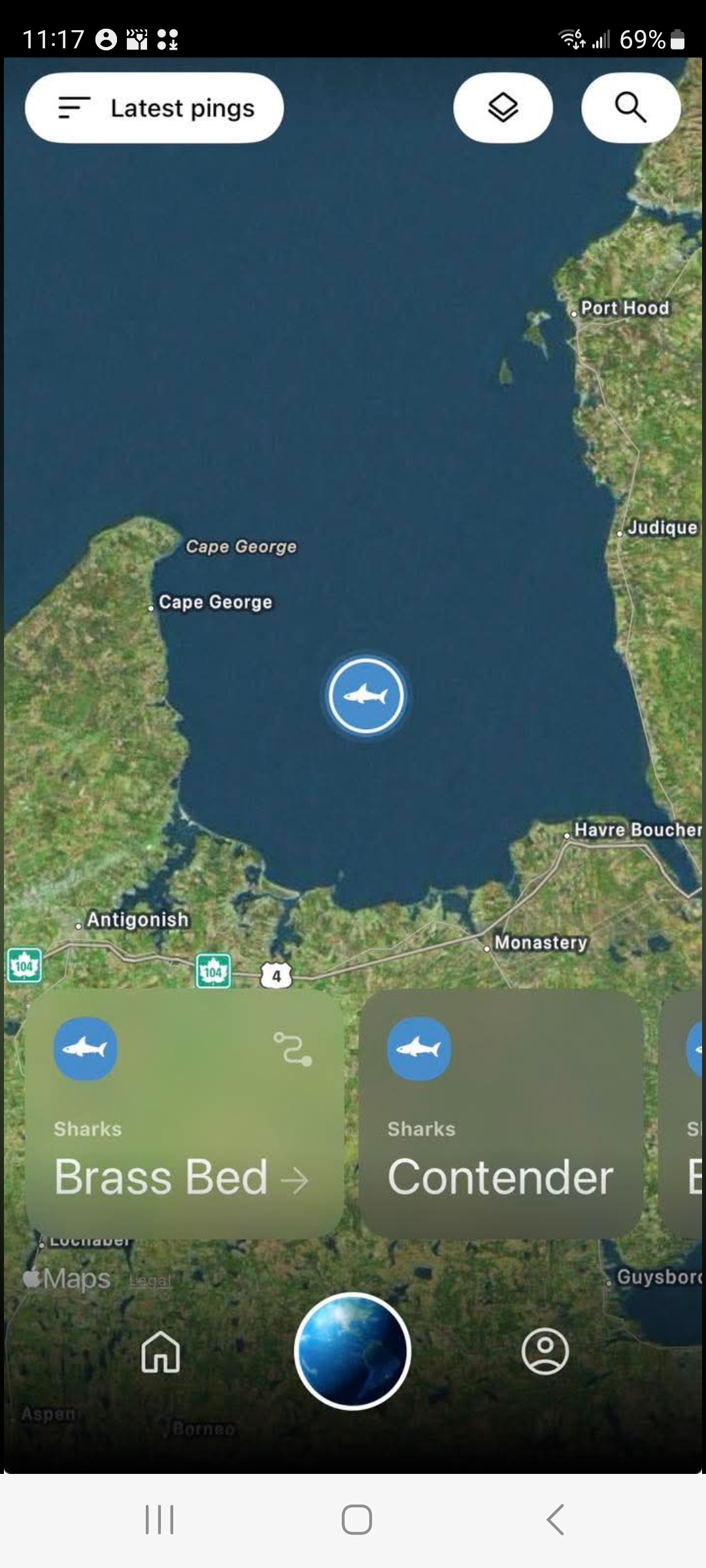
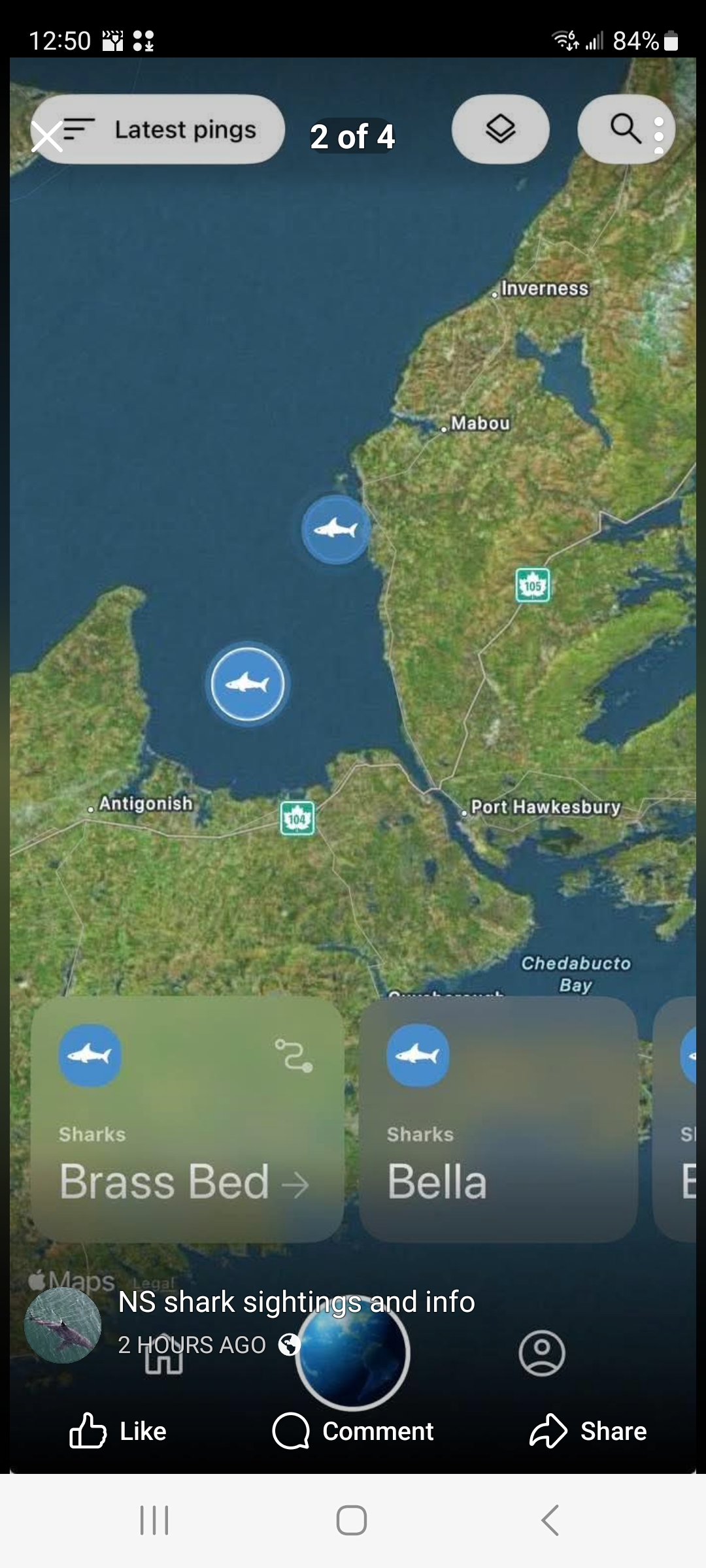
Brass Bed the great white shark at Pomquet beach while we swim, Canso the orca leaping past The Cove restaurant while we eat, belugas cavorting just north of us in a Cape Breton lake, and a bobcat chased across our neighbour’s yard by a murder of crows. All that, plus the usual fauna. Keep Theodore inside! 2026 is turning out to be a wild-things year.

Think “Nova Scotia wildlife,” and you’ll likely picture the stuff on our gift-shop tea towels and postcards: sandpipers, piping plovers, kingfishers, seagulls, starfish, sand dollars. Check local menus, and you’ll also see haddock, cod, bar clams, lobster. Observe the “Caution” signs alongside the Trans Canada and you’ll learn of deer, or the unpleasant signs on the Trans Canada, of what remains of skunks, porcupines, raccoons, and the occasional fox. Ask the locals about wildlife, and we will probably think mainly of mosquitoes and (more recently, unfortunately) ticks. The most exciting wildlife stories normally, are the ones about black bear encounters. That is, until 2026 came along…

Great White Sharks

I picked an interesting summer to go back in the water after my stroke. Just a few weeks shy of my two-year strokeaversary, I finally dared swimming in the ocean again, prompted by adventuresome visitors Sarah and Jeff from Moncton. We are five minutes from a provincial park on the Northumberland Strait. It was lovely and warm! The remaining post-stroke spasticity (rigidity) in my left arm allowed me only a few seconds of treading water. I had to do a lot of splashing and flailing to keep myself afloat.

Those are precisely the kinds of movements you DON’T want to be making around possible sharks! I admit, as a former land-lubber Prairie boy, that sharks do slightly cross my mind every time I’m in the ocean. But I didn’t really think much about sharks at our local Pomquet Beach, which has always felt like the one of the warmest, safest swimming spots in the country.

But this year, they’re thinking of putting up signs. I noticed during our recent visit that no one seemed to be swimming out as far as usual. At least two tagged Great Whites have “pinged” consistently in St George’s Bay, the 26-mile divot out of the northern Nova Scotia coastline along which we live. Given that only a small percentage of sharks are tagged, and even those ones only ping in the rare moments when they surface, confirming two in our area certainly means there are others. Another half-ton Great White was found just west of here, washed up dead in Pictou NS. Something is happening in our oceans. The long-predicted effects of climate change and habitat loss are coming home to roost (…or swim).

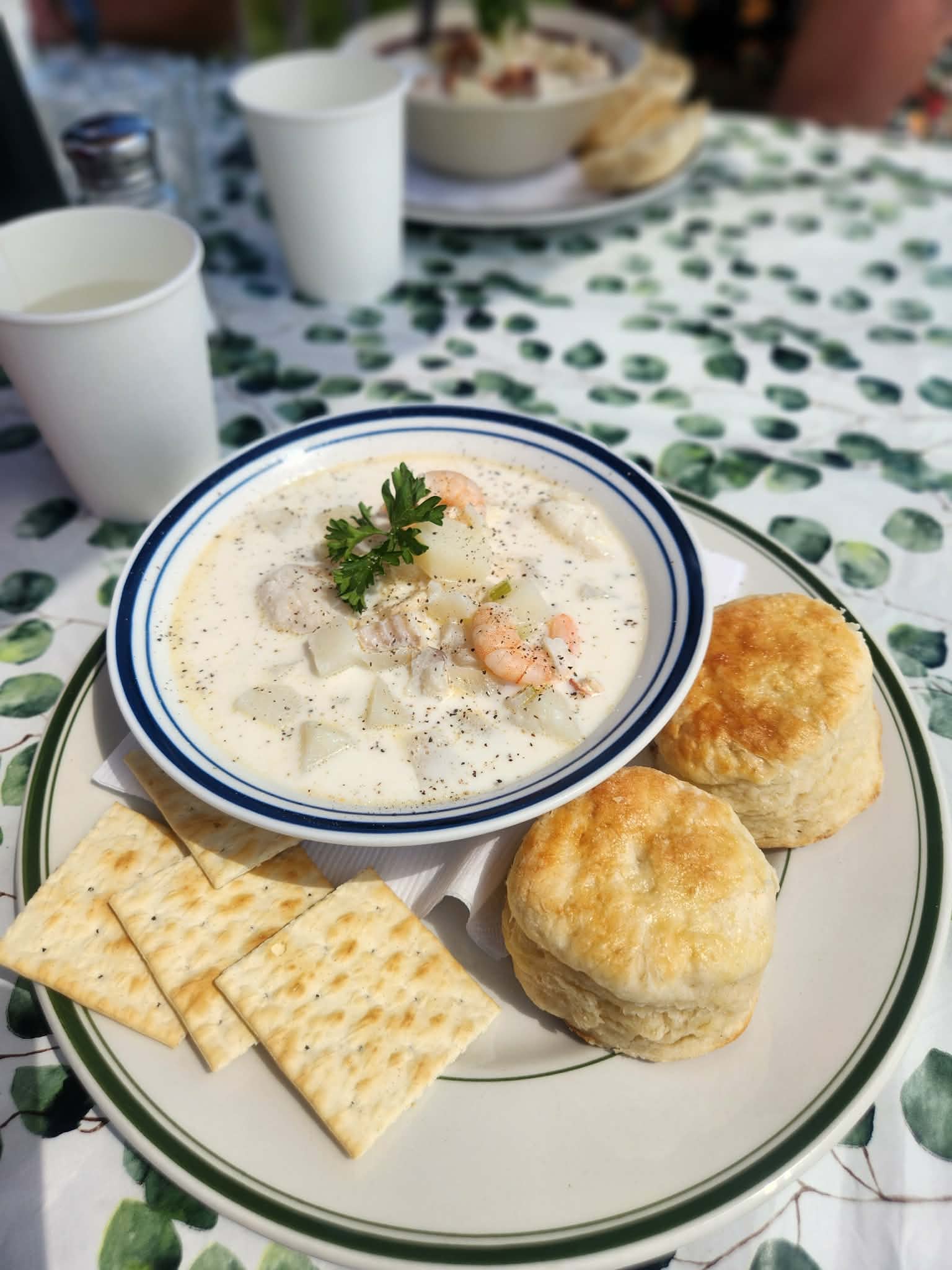
Not to deter tourists and friends from visiting! You don’t HAVE to swim in shark-infested waters! The view, boardwalk, and trails at Pomquet Beach are still fantastic. The green cliff visible to the left of the beach is Chez Deslauriers, the historic Acadian homestead, now visitor centre, overlooking the bay and strait. Four Fridays a year Chez Deslauriers serves Acadian lunches to fundraise for community events. We always try to make it to all four! When PEI Acadian friends Tracy and Matt came through last Friday, we took them and their dog Leni there. (That week, it was fish chowder: here’s mine.)

This picturesque spot is the starting point for the Nova Scotia Ninian walk featured in my book Someone Else’s Saint: how a Scottish Pilgrimage Led to Nova Scotia (Pottersfield, 2025) (click on the photo to run the video view of the beach). The lone gift shop on the dirt road in to the beach (Island Beach Hideaways) fittingly keeps a few copies on hand on consignment.

Post-lunch look-out over Pomquet Beach NS

Orcas

As if that’s not enough excitement, you may have heard of the Orca sightings in our area. For a couple of weeks recently, a lone whale has put on an impromptu show almost daily at high tides near the Canso Causeway (the land bridge built in the 1950s to connect mainland NS to Cape Breton Island, a half-hour’s drive east of us).

While Orca sightings are not completely unknown here, they’re quite rare, especially so close to shore. Canso the Orca, as he was dubbed, quickly became a sensation. People checked in to the daily thread about him on the “Cape Breton Cetacean Sightings” group where people reported his goings out and comings in and shared photos. Folks hopped in cars, skipped work, missed ferries, and lingered way too long at The Cove Motel and Grill, hoping to see him.

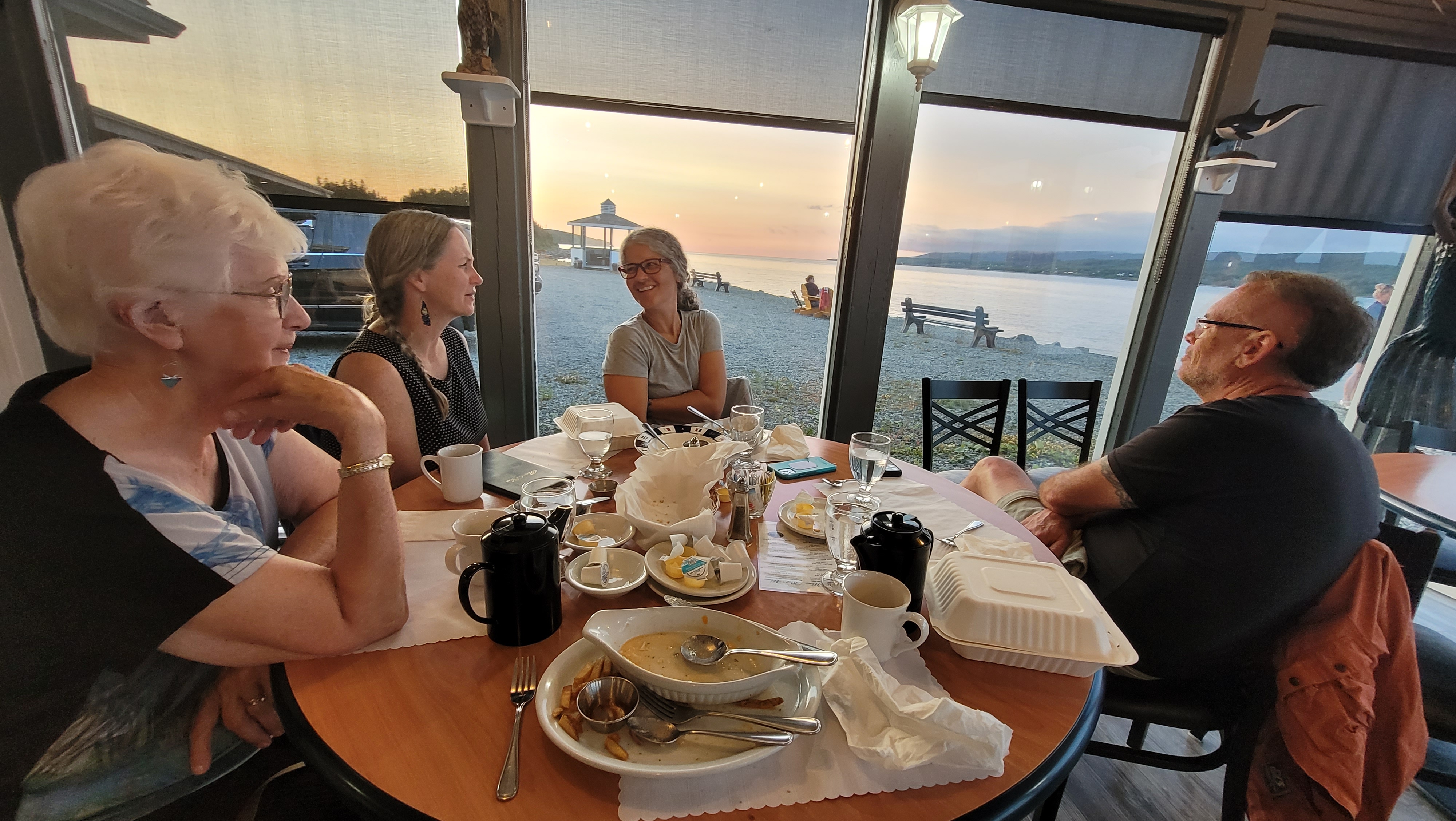
The Cove is one of our favourite places. Jeff and Sarah did a lot of helping out during their visit, reinforcing Sara’s mom’s deck, and “garlicking” the property for ticks, so Shirley took us out as a thank-you. Like the other guests, for the whole meal we scanned the sea anxiously. A young man had flown all the way from Spokane to get a photo of the whale. No luck, so he postponed his flight back to try one more day. It was a gorgeous evening, but it turned out to be one of the rare high tides that week that Canso made no appearance.

From that evening, Canso disappeared for a few days. Many breathed a sigh of relief as everyone hoped he had rejoined his pod.

But a few days later, we were back at the restaurant (I swear: we don’t eat out that often, but it would have been Shirley’s 58th wedding anniversary had Winston not passed this year — and The Cove is where we took them last year to celebrate). Whales aside, The Cove’s sustainable Atlantic seafood and panoramic view really are extraordinary.

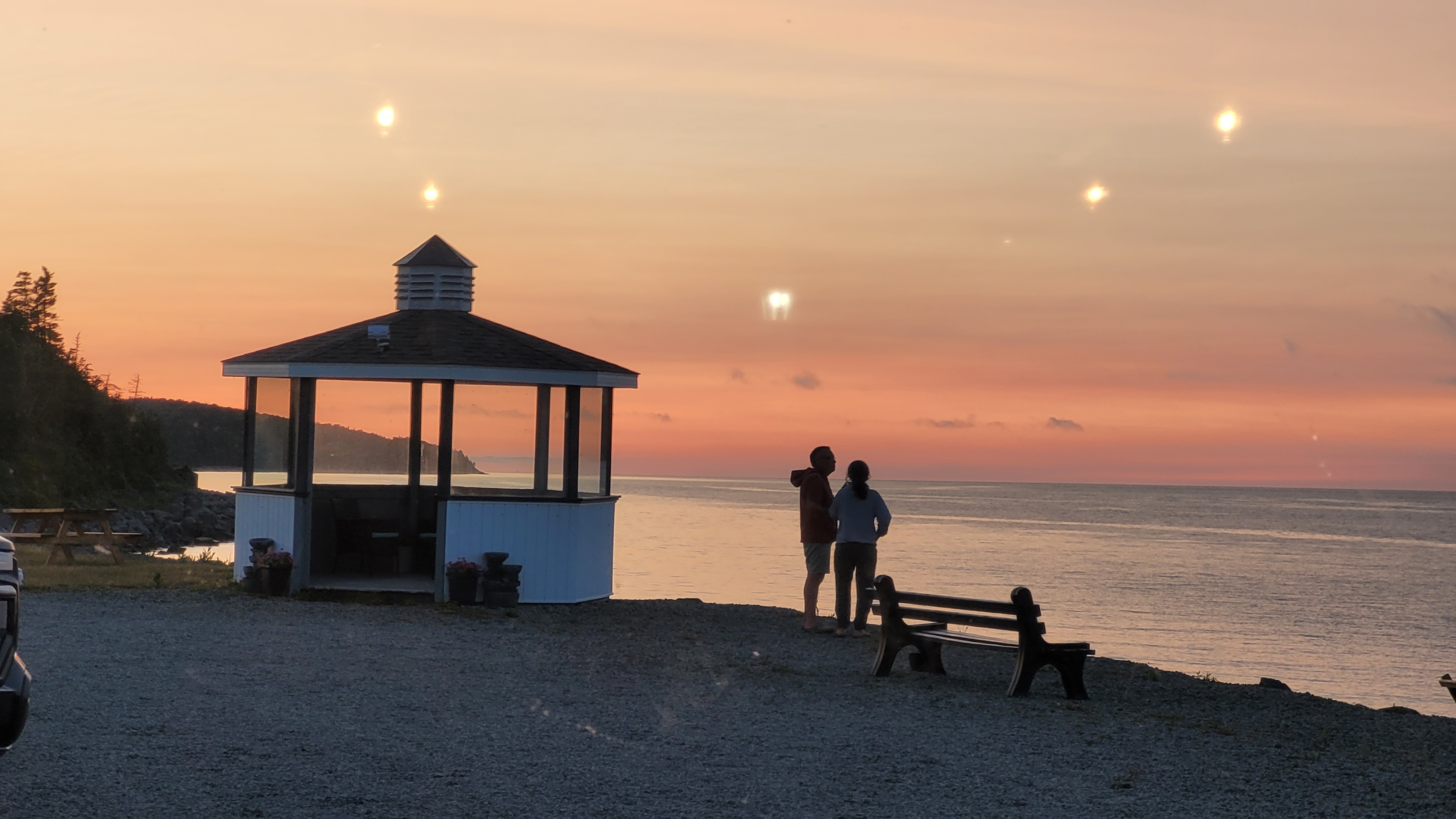
This time, it was a foggy, drear evening. We weren’t even looking for the whale. Suddenly, a server pointed out the window and said “Oh look, there he is again.” Almost the entire restaurant rushed to the glass. A huge black and white shape leaped four or five times near the far side of the strait, always disappearing just before we could get our phones trained for a photo. Then he was gone again.

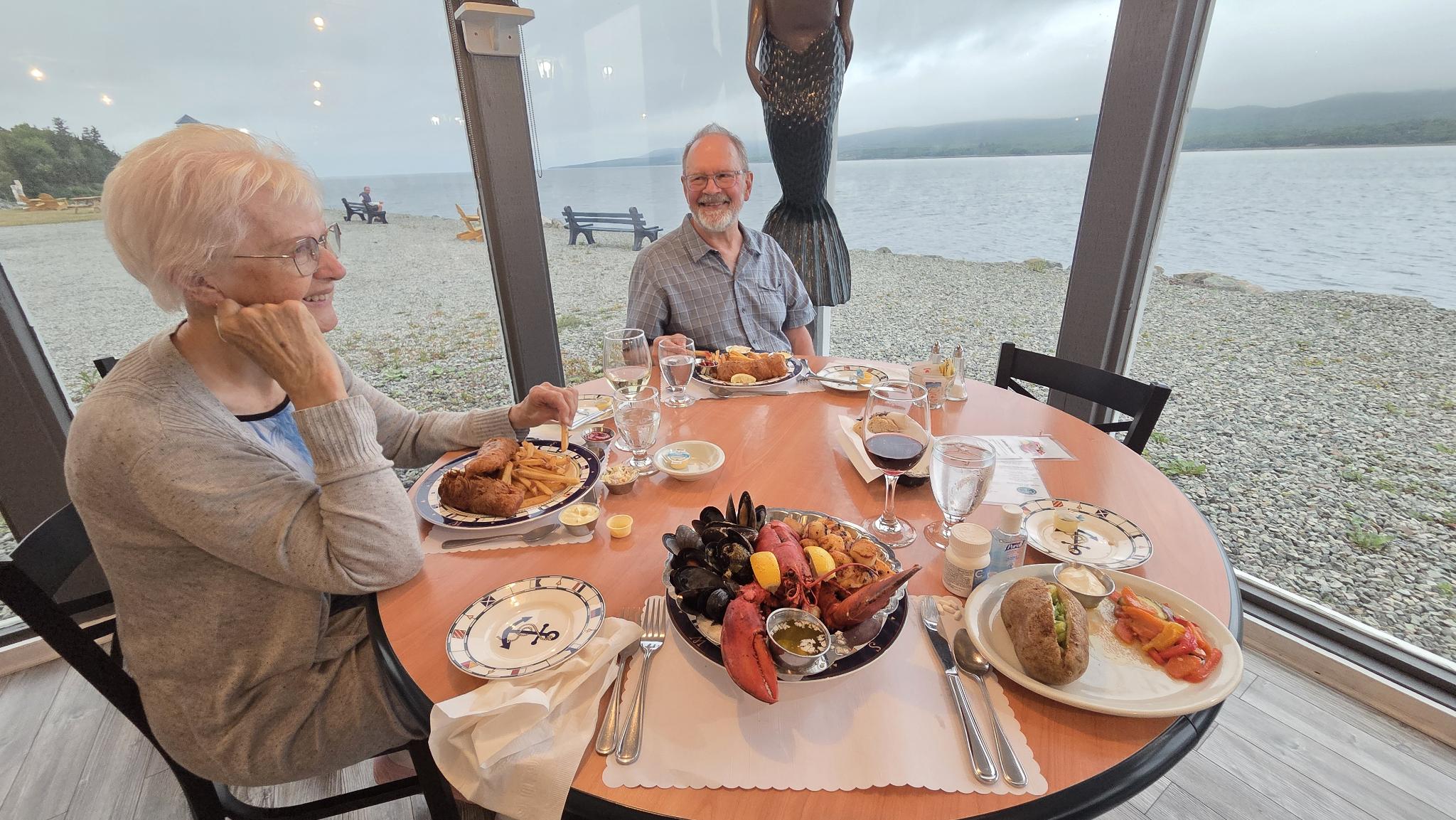
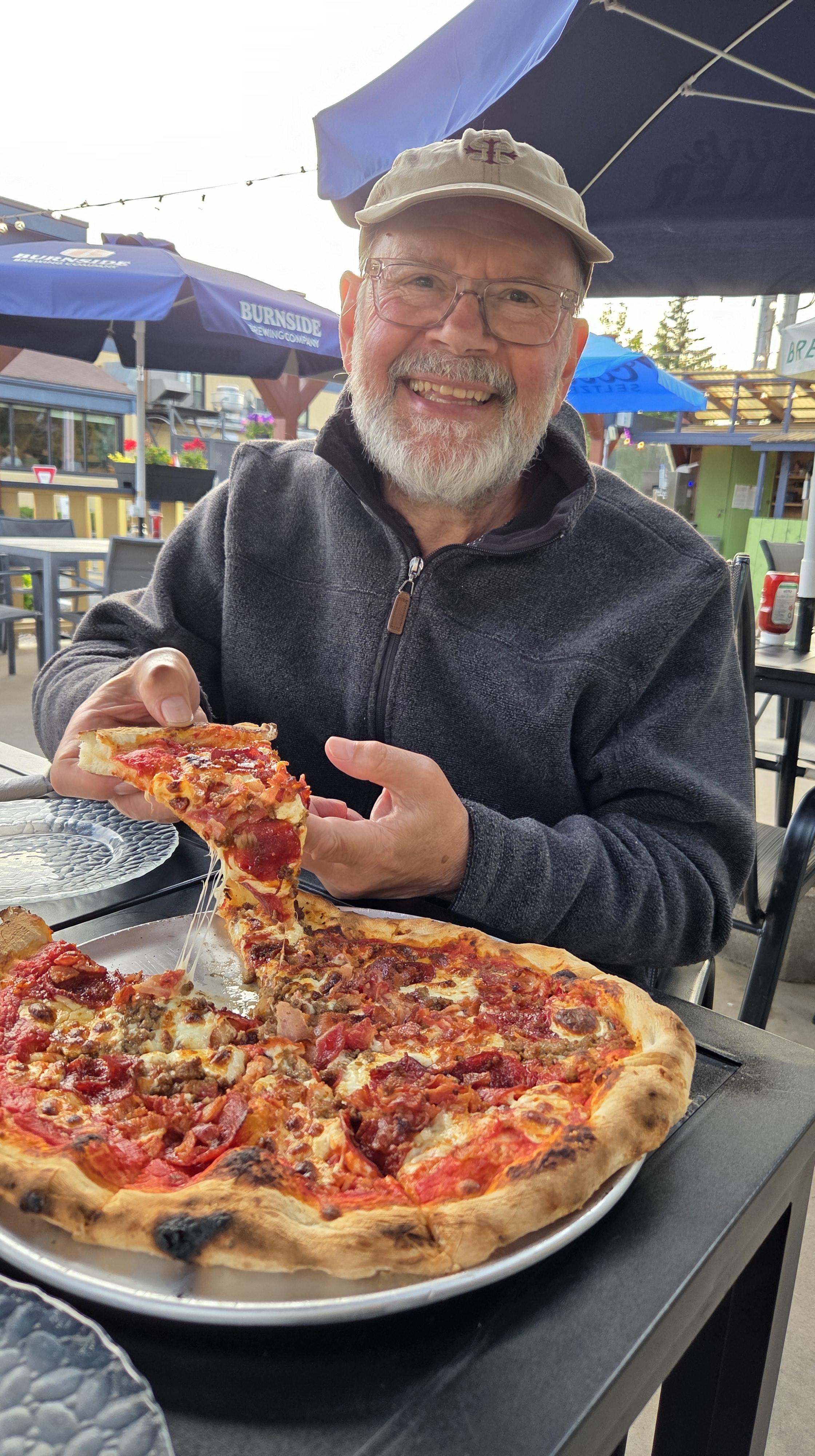
No Orca photos but look at that whale of a meal Sara had!

Belugas

As if to make the point that this is a strange year, just as Canso the Orca’s visits were subsiding, a pair of beluga whales appeared off the marina in Bras D’Or lake in Cape Breton, a huge lake fed from the ocean. People flocked instead to glimpse the two belugas, until finally, a canal lock was opened for them to be able to swim back out into the open Atlantic.

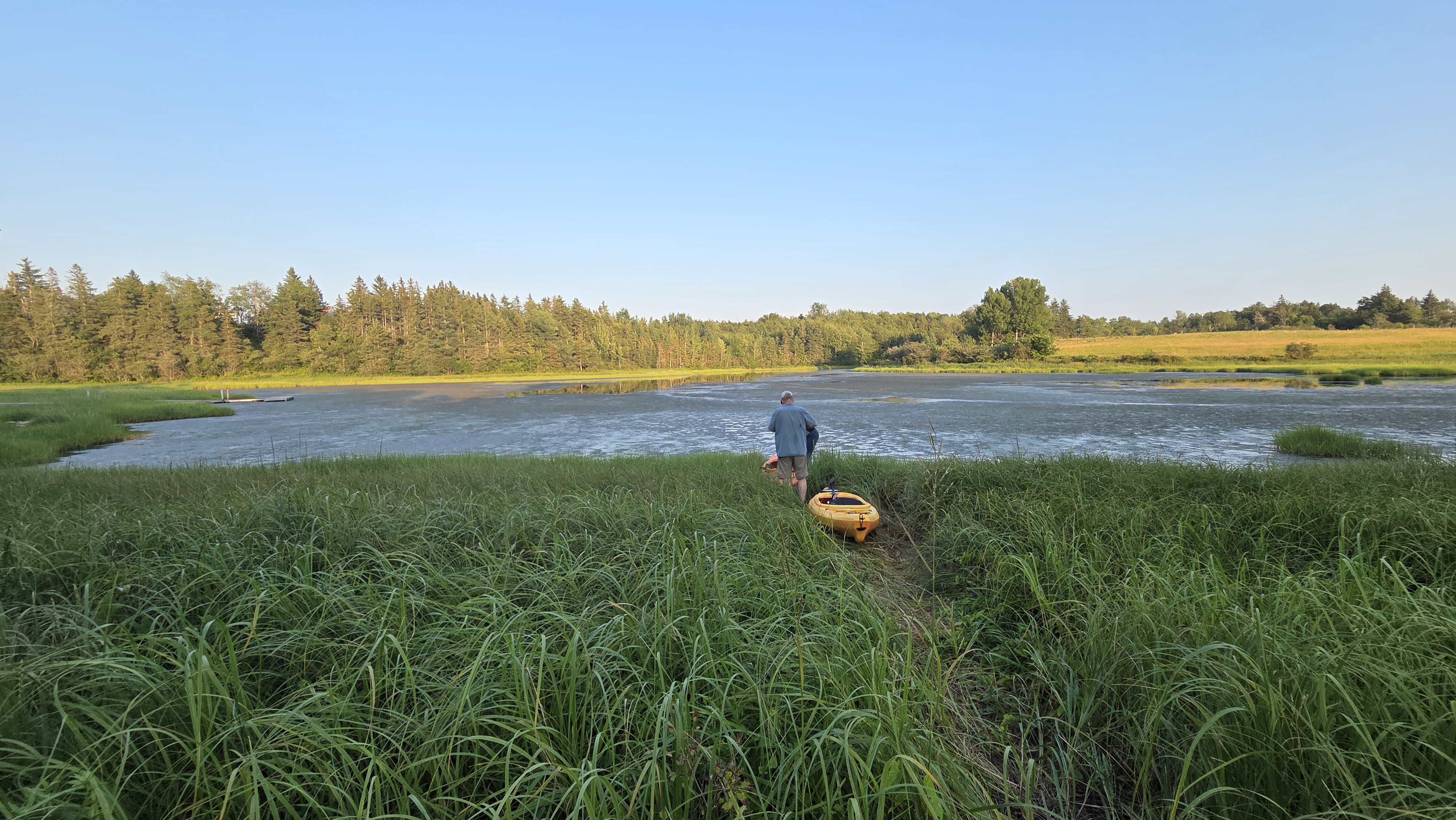
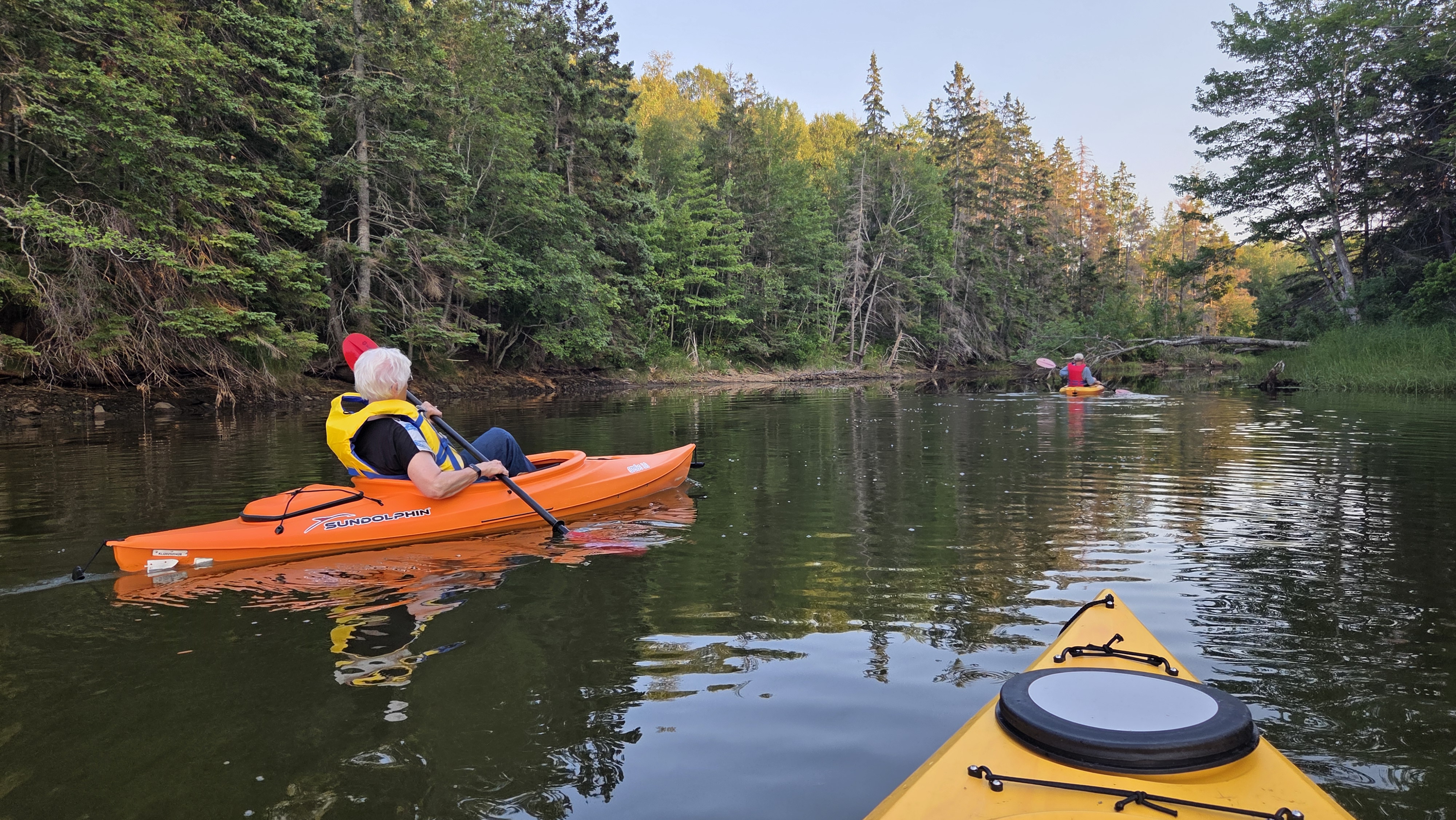
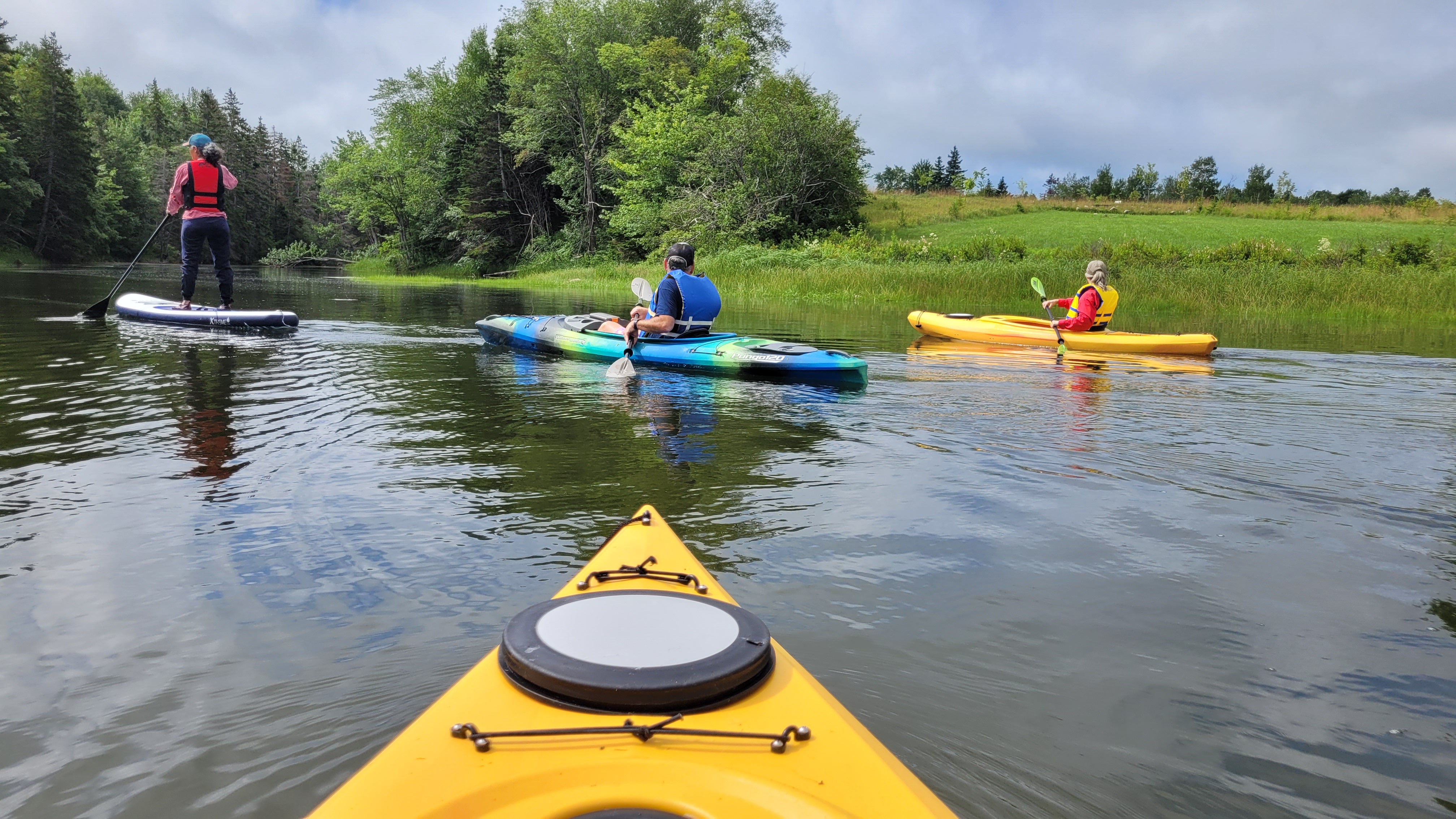
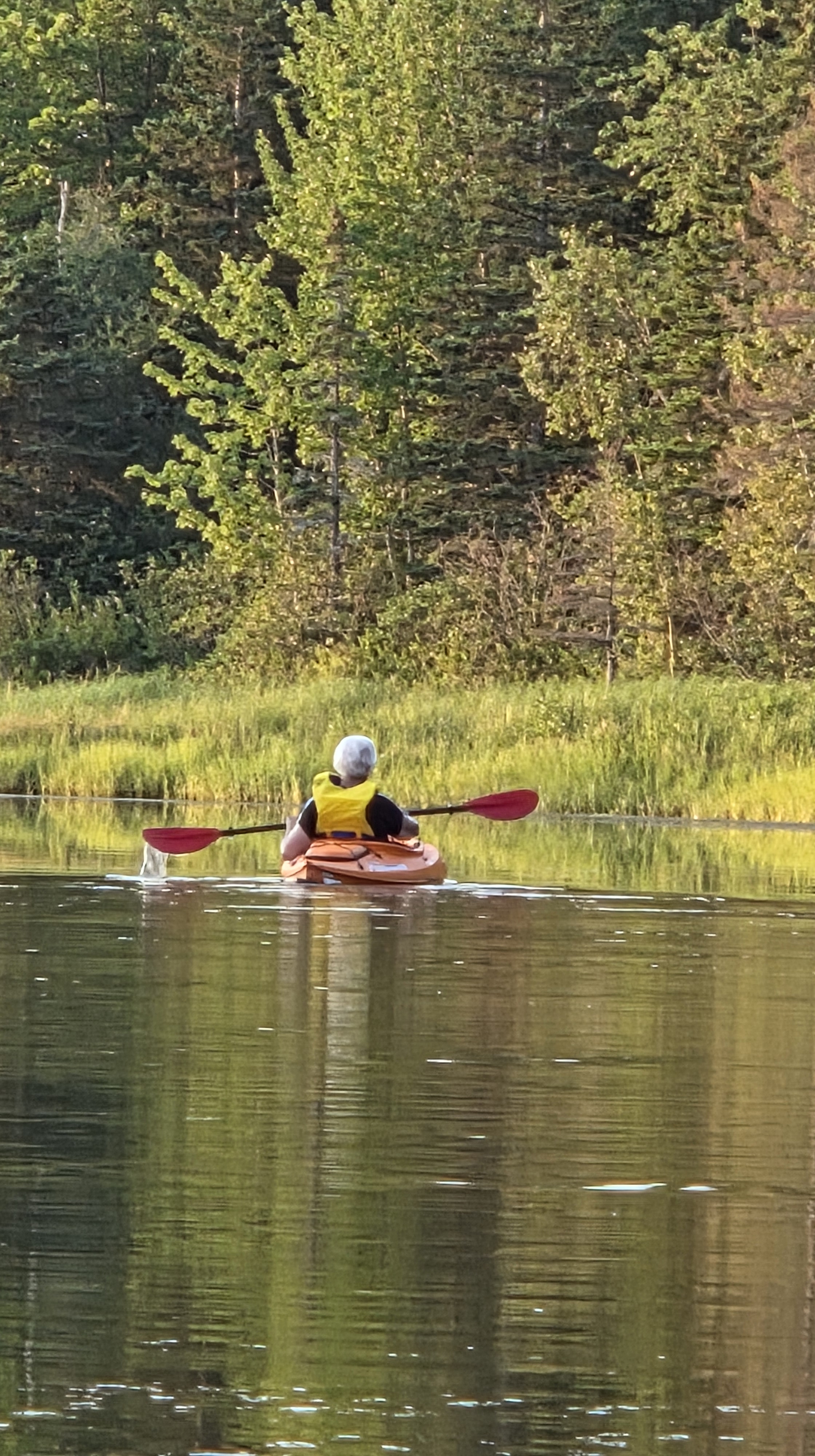
In not-completely-unrelated news, this summer we’re finally serious about exploring by kayak, launching straight from the weedy little cove at the foot of our property. It’s so shallow I don’t THINK anything big could be lurking in the waters of Pomquet Harbour, just around the corner from our cove. But given the fact that our water IS connected to St George’s Bay and that it is such an unusual season, I’ll think twice before going for any impromptu dips. In any case, the paddling is great therapy for my left arm. Shirley Parks, at age 84, is a trooper and always up for a kayak as well! This week, Sara texted a photo of her mom kayaking to two different friends, and they each (separately!) responded the exact same way: “Friggin awesome.”

Hoof and Paw

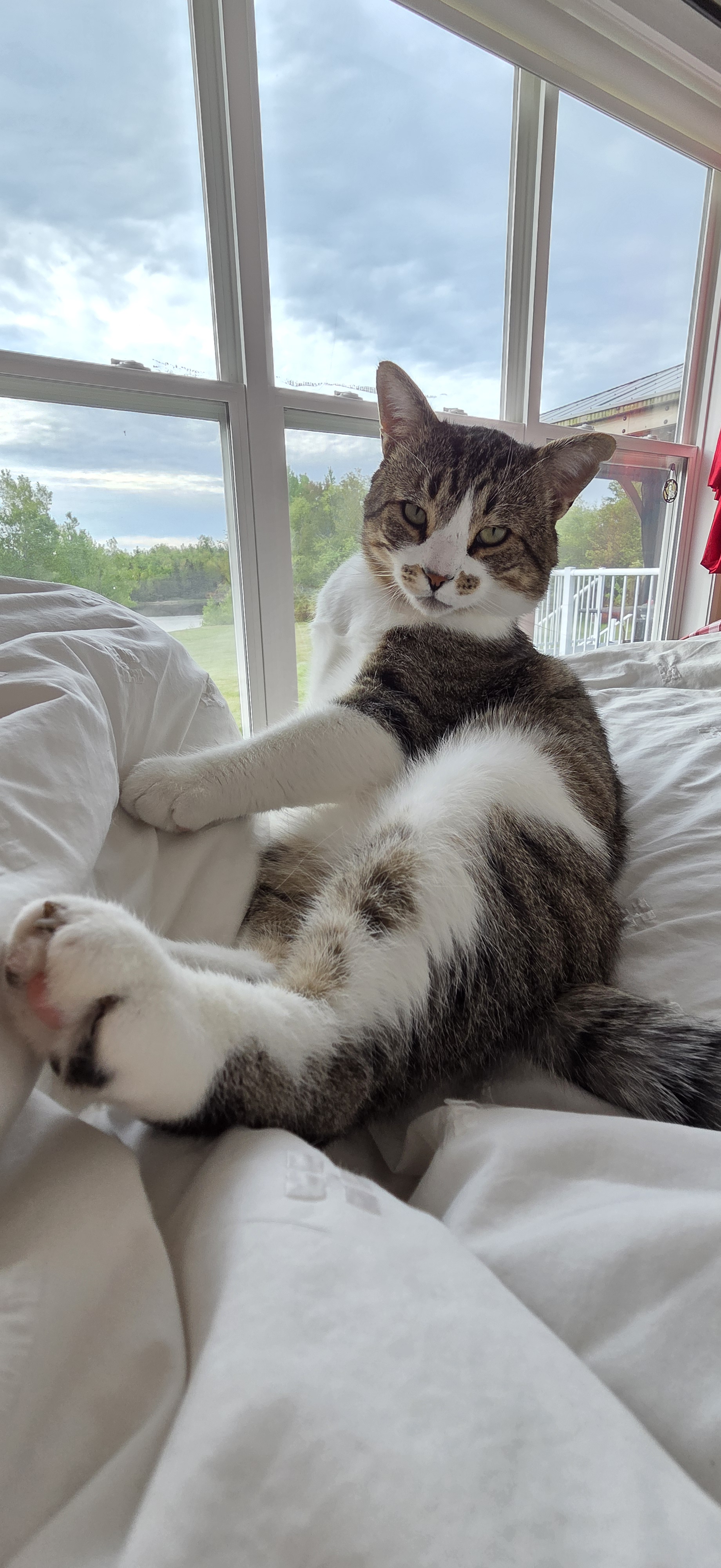
Of course there are the wildlife appearances more common here, as in many parts of Canada. I’m thankful and a bit awed to live in a place where Theodore, our cat, looks out into the black night (it gets really dark here when there’s no moon) and stiffens or growls, and although we can’t see whatever has his rapt attention, it could be anything!

Last evening driving home, I turned a corner to see a mother deer and her faun on the road. I slowed almost to a stop, and was just getting ready to honk when they sped into the bush. The pair came by the house later, skirting the edge of our trees. Early this morning I was rudely awakened by a small platoon of Canada Geese shooting just a metre over our open windows, honking loudly all the way. A brown rabbit zig-zags across our yard most mornings. This year we have not seen or heard the coyotes who used to sing at dusk, making me wonder if the rabbit sightings, which are more frequent, mean a crash in the coyote population. There’s a permanent skunk under our shed, a chipmunk trying to live inside our walls, an annual river otter family in the cove, and mice persistently making their homes in our lawn tractor air intake. Eagles overhead, kingfishers diving, herons lifting off awkwardly at our approach. Life everywhere.

We haven’t seen one of the five black bears that we’ve been told live somewhere around. I’m just as happy if it stays that way. But Sara was looking out the window the other day when a bobcat rocketed across our yard. Our neighbour Julie later told me she has seen it on several occasions, but the crows drive it off by dive-bombing it whenever it gets too close.

When we go out at night for something, there’s often a sudden crashing in the trees. Whether the ocean or our scrubby brush, there’s more life there, where we can’t see, than I’d ever imagined. The Anthropocene has at least its personal limits. Part of learning to live better is the ego deflation of coming to understand that we human beings are part of a world that doesn’t – and shouldn’t – centre us.

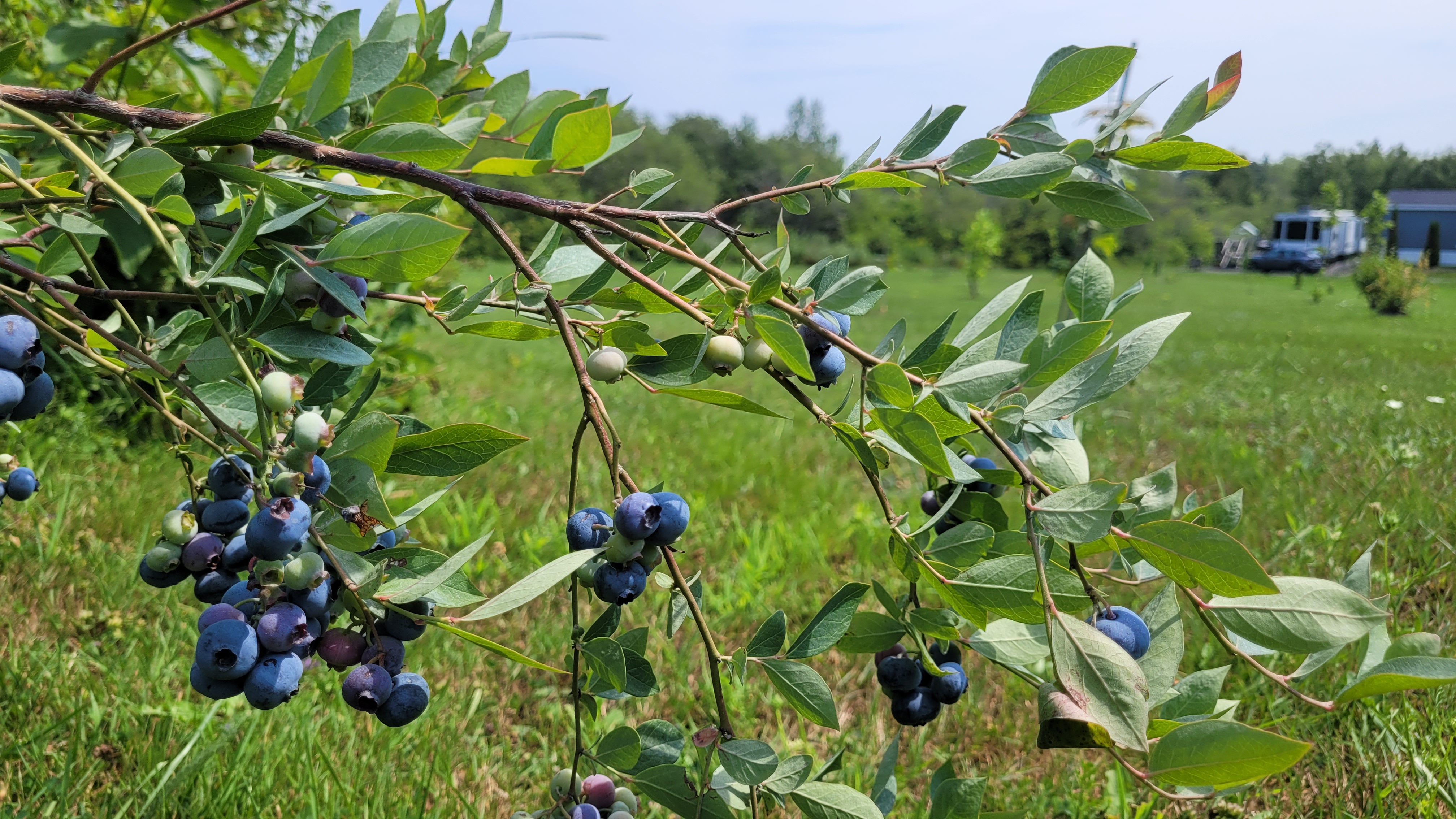
Our first crop of blueberries…attracting wildlife other than us?

A World of Wonders

It’s been exactly four years since we moved to rural North-Shore Nova Scotia. Bit by bit, the rhythm of the seasons has started – just started – to filter into this city kid’s brain and body. I’m understanding that the birds no longer sing the way they did in May and June, but in early August, they’re still there. The saskatoons are finished, and the time of blueberries and gooseberries is underway. Chokecherries aren’t ready yet, which is good, because I’m not ready for jelly-making either! The apples are coming, and the wild roses have gone to rosehips. My garlic’s leaves are wilting, and the scapes are in the freezer. The Junebugs are re-buried, the fireflies finished shining, and the giant spiders starting to build their webs. When the starlings dare to approach the house, fluttering close and picking the giant cross orbweaver spiders off, it will truly be almost the end of summer.

I hope you can tell that this city kid is delighted to be living in the country! I’m learning so much. Mostly, given that where I live seems to be where so many wild things share space, I hope I’m learning respect. We humans have our place alongside all these other creatures – whom ecologist David Abram calls the “more-than-human” world, and Indigenous thinkers might call “all my relations.” We have to leave room for everyone else. If we do, it means a world full of wonders.