I can’t believe how fortunate I am to be where I am this on this anniversary, slowly typing these words with both hands (!), sitting at our kitchen table.
How It Started
Two years ago, a stroke caused the paralysis of the left side of my body and began a four-month sojourn at St Martha’s Regional Hospital, Antigonish. In those early dark days, as a roughly two-centimeter sphere inside my brain died and a larger area of cerebellum around it went into temporary shock, it looked like I might lose my ability to eat, talk, and even swallow. To hear and to properly understand others. My speech slurred and for a few days I was forbidden solid food. You can read my early thoughts, during those first moments, here.
I’m thankful, every day, that the worst didn’t happen. It happens to others. I was fortunate.
I’m also incredibly thankful I live in a place with a public health-care system. Sara and I did not go bankrupt over my stroke. I was not rushed out of care prematurely. Sure, things weren’t always perfect. Mistakes were made, and not all care workers are equally competent. In any system. But I was looked after for four months, then followed up for a long time, by hard-working professionals who cared deeply about my recovery. Nova Scotia’s creeping (and very intentional) health-care privatization is a threat to outcomes like mine. In our lives, in the lives of neighbours and loved ones, we will all face some of what I did in those months. We need to stand up for patients over profits.
Anyway, after it was clear I’d survived the stroke, thinking and speaking intact, other questions started swirling. Not, ever, from Sara, who just kept showing up day after day that fall, advocating for me, writing notes as doctors and physios came in and out, never questioning this new phase in the autumn schedule, like it was just another work contract that had come up unexpectedly. Not really from me, either, so single-minded on recovery. But from the extremely helpful, caring, and busy health professionals just trying to do their jobs and facilitate my adaptation to a new reality they’d seen many times before: how will you use the bathroom? Do you have stairs at home? We’ll get you a spike to hold vegetables while you cut, a post to help you stand up from the toilet. A shower chair. A walker to move from room to room. And, by the way, you’ve lost your license.

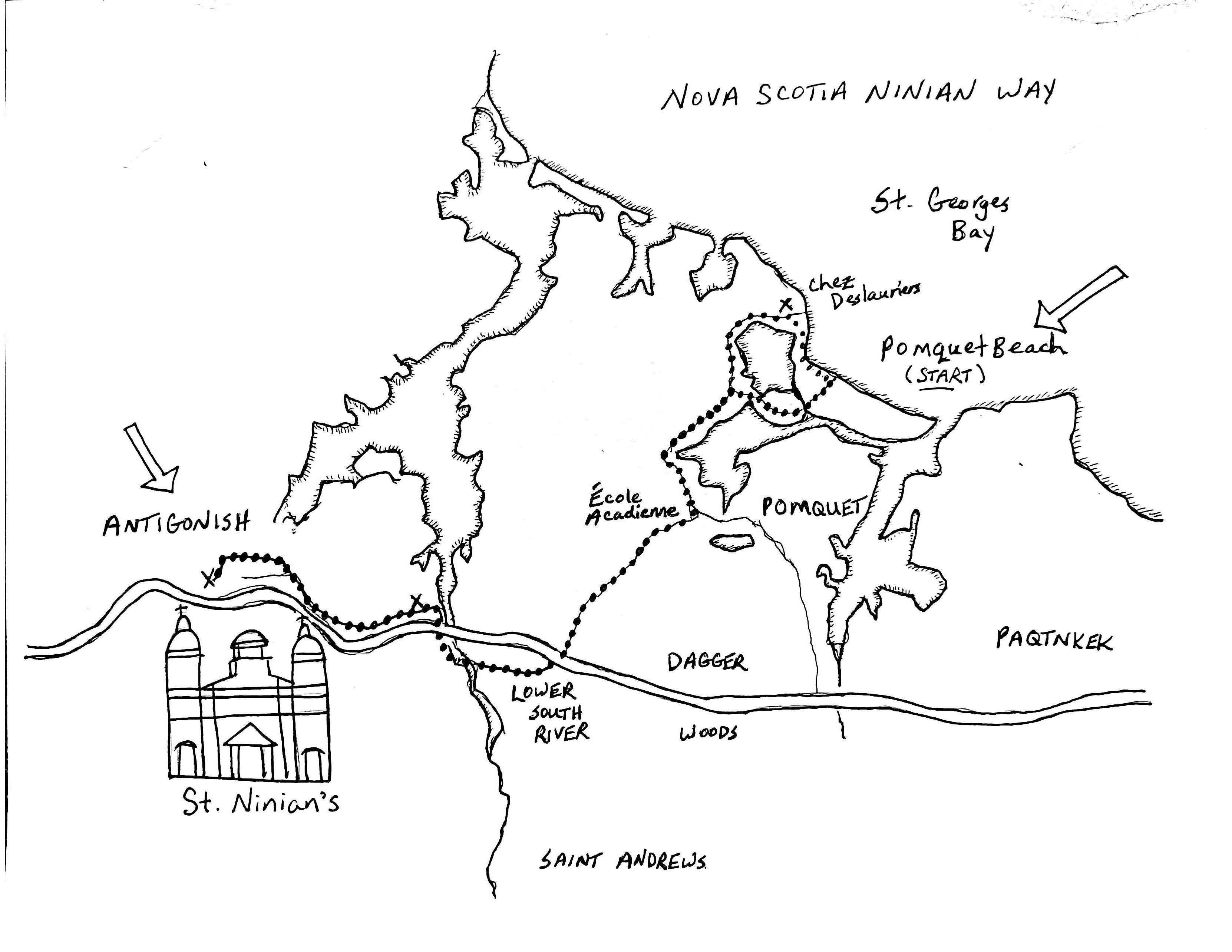
Two days after triumphantly leading a group of walkers on a 25-km jaunt from Pomquet to St Ninian’s Cathedral along roads I optimistically called “The Nova Scotia Ninian Way,” I couldn’t even to get out of my hospital bed without a two-person lift.
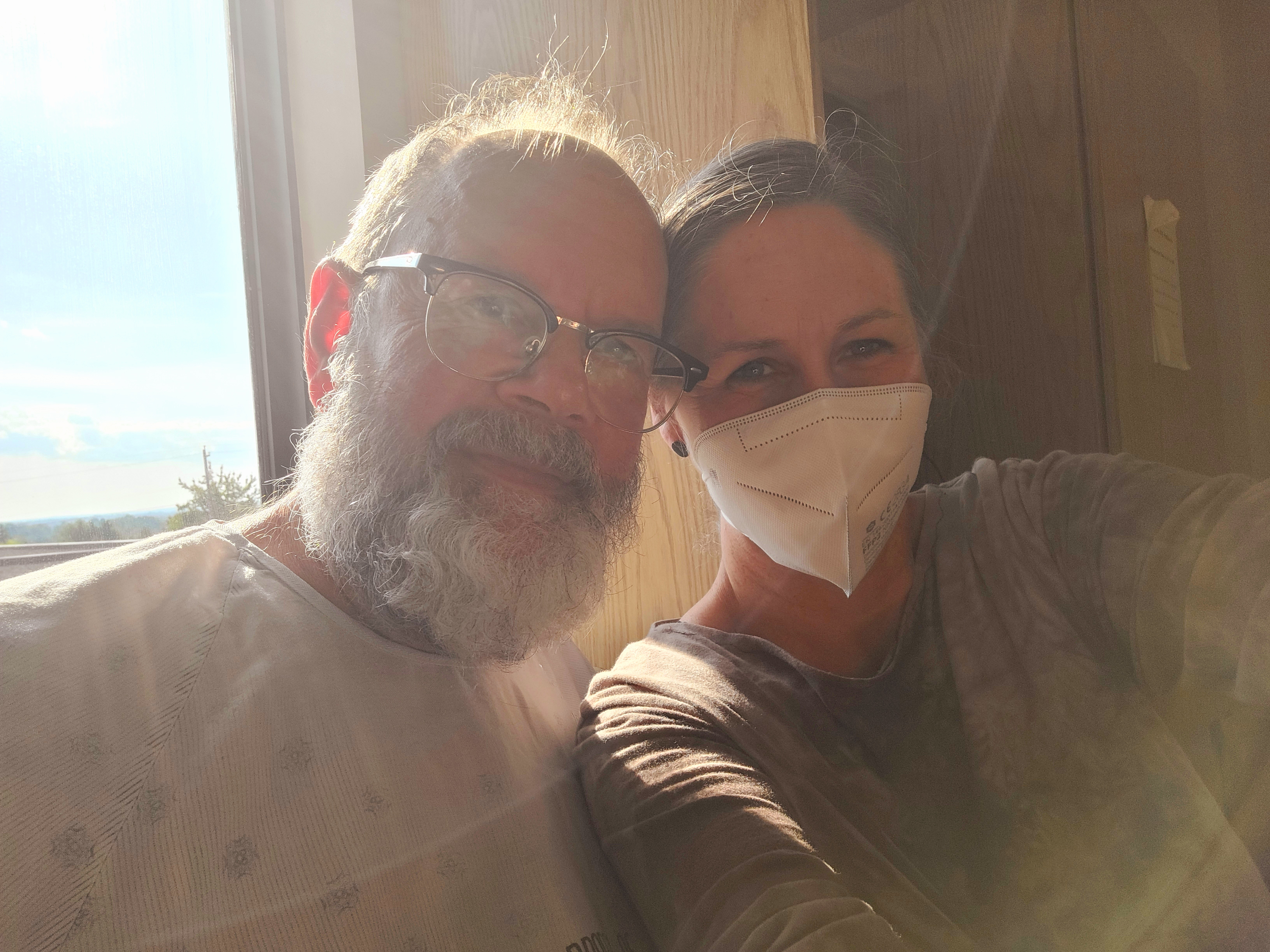
I’d been plucked from my comfortable, happy life and set at the base of a high mountain. No one ever told me (and Sara) we had to climb it. We just did. People have told me we were brave. Perhaps that’s true. I certainly never felt it.
In an instant, my world had been reduced to chrome bed rails, thin sheets over rubberized mattress covers, a call button that was often out of reach, IVs, meds, blood tests, and a body whose left half seemed permanently asleep. My usual varied routine had been exchanged for three hospital meals, two physio sessions a day, one quick physician visit, if I was fortunate, and hours and hours in a wheelchair by a window, left hand lifeless, furiously writing notes with my right to keep my brain active and record what life had become.
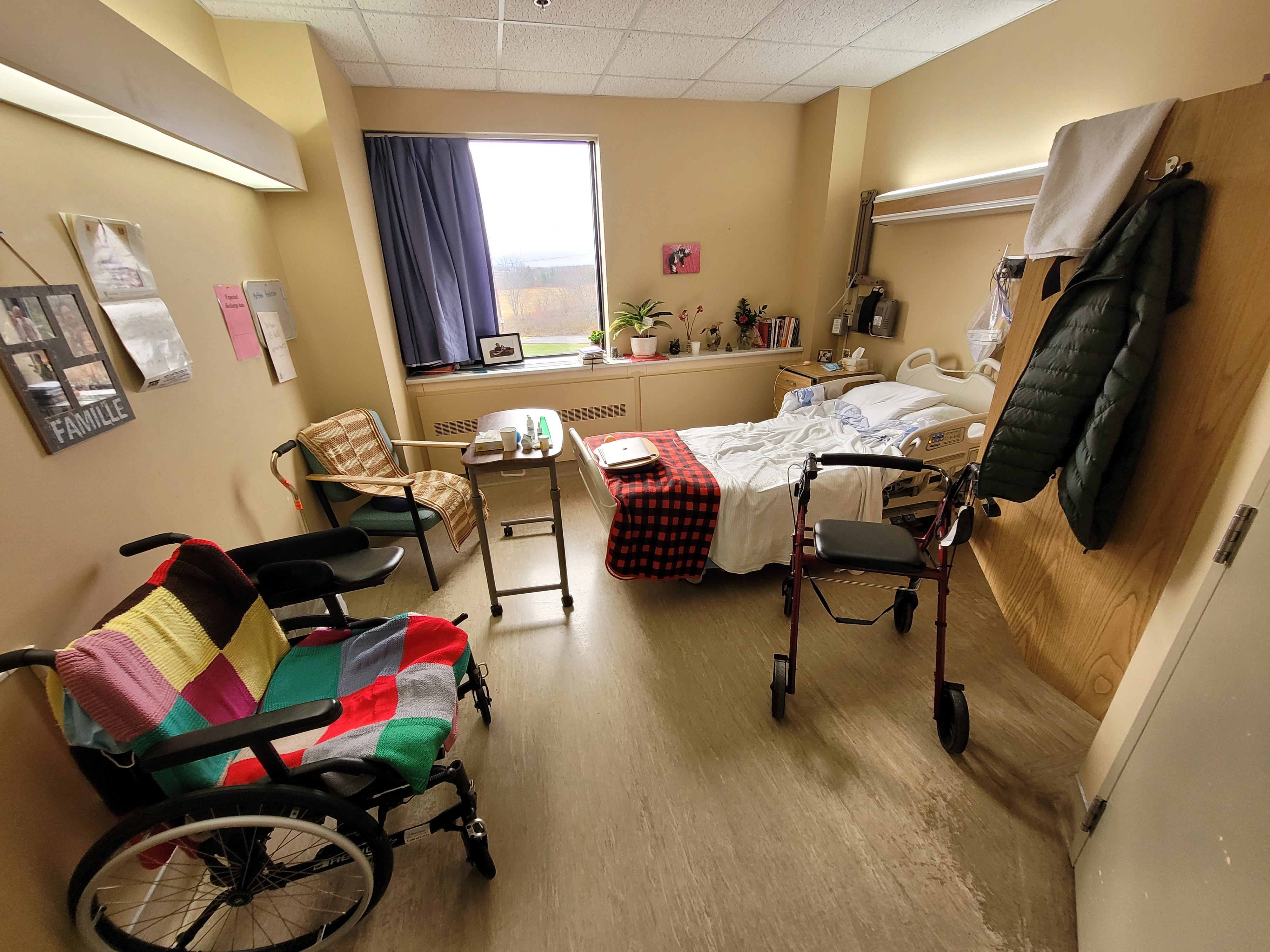
Eventually I realized I had a choice: to apply myself and do my exercises every day – or not. I’m thankful my determination had clicked in. I had flowers and cards almost daily, thanks to a community (many of you!) that kept me going. Sara kept bringing in books, quilts, and art for my room. She arranged things to make me comfortable and, as I came to realize, as a subtle way of reinforcing my individuality and worth to an institution and in the face of overworked systems that sometimes reduce real people to “bed 355B.”
I was admitted September 17th, 2024, discharged Dec 20th. Just in time for Christmas.

How It’s Going
It’s going well! Two years on and I’m not quite back to my old self. Since the aging process stops for no one, maybe that “old self” is forever in the rear-view mirror. But it’s amazing what I can do.
I use no mobility or bathroom/shower aids, and I passed my recertification on what turned out to be the 50th anniversary of my teenaged driver’s test. I have a handicapped parking sticker I enjoy, although I’ve started to feel a bit guilty. I sleep through the night in my own bed. I’ve had heart surgery to repair the hole in my upper chamber where the clot may have slipped through (thank you again, public health care!). I climb stairs using a handrail and although I have a limp I’ve walked up to two kilometres at a go, aiming at more. I can easily crouch to fetch a saucepan from the cupboard. I can hammer a nail, use a spade in the garden, make jelly, and even climb a ladder to hammer a T-post for our saplings needing support. If I’m careful.

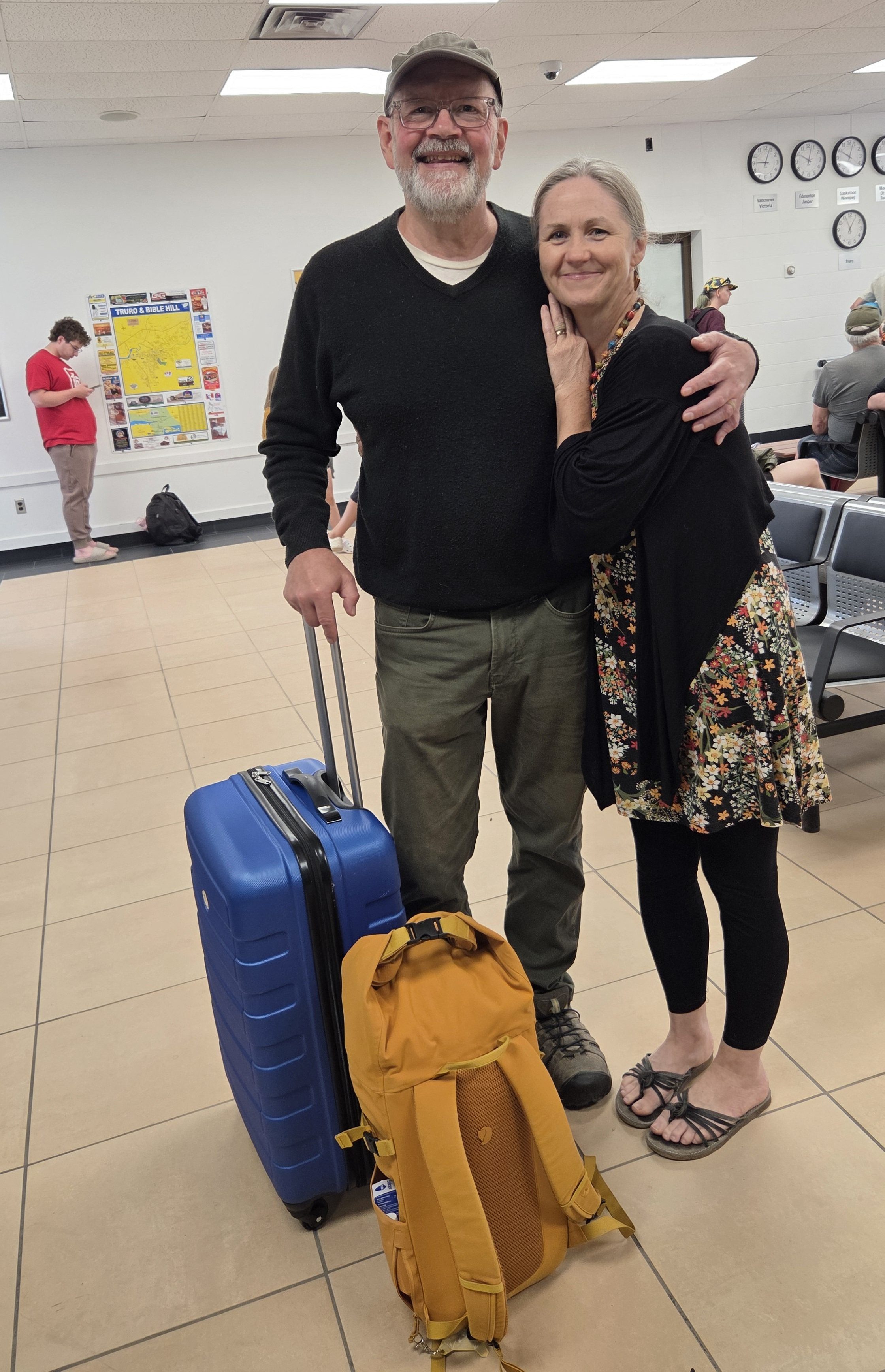
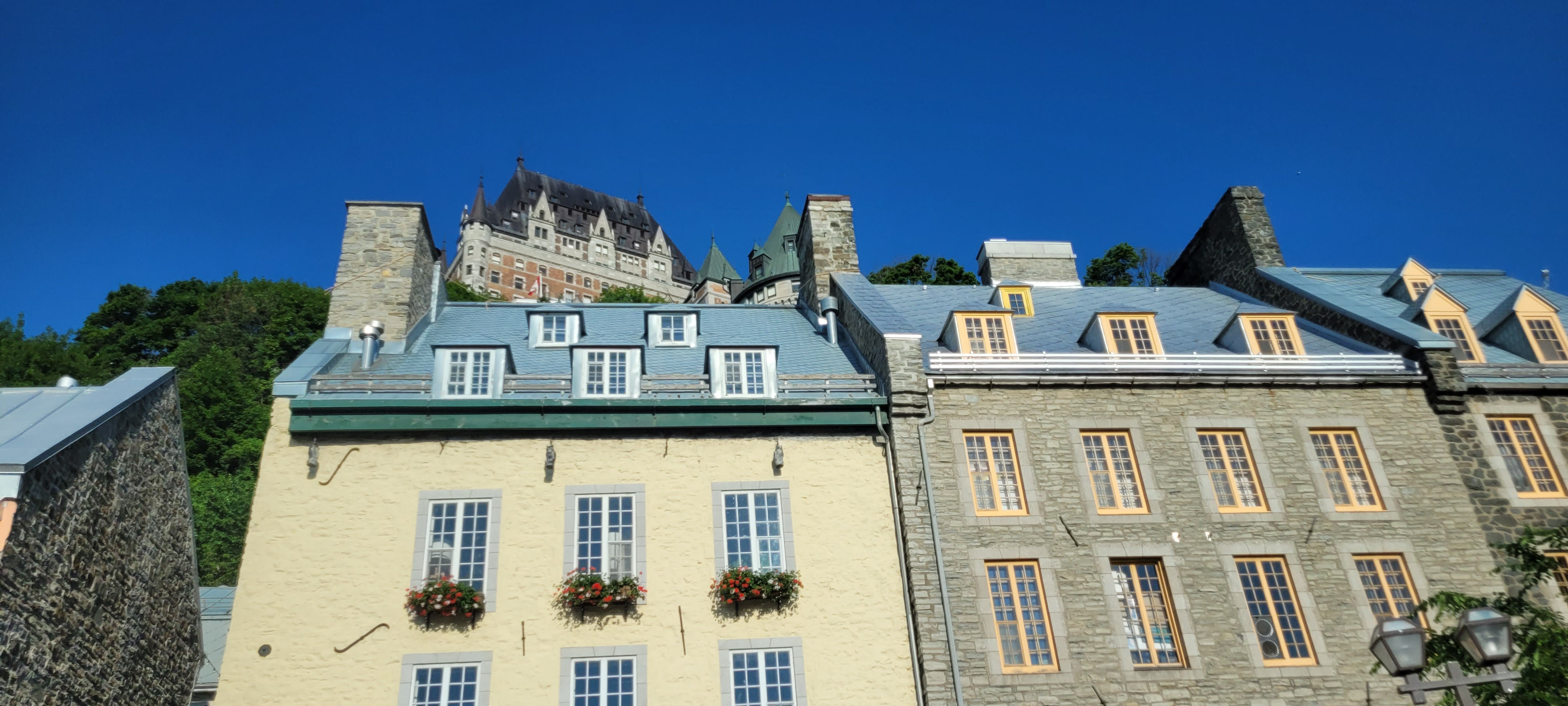
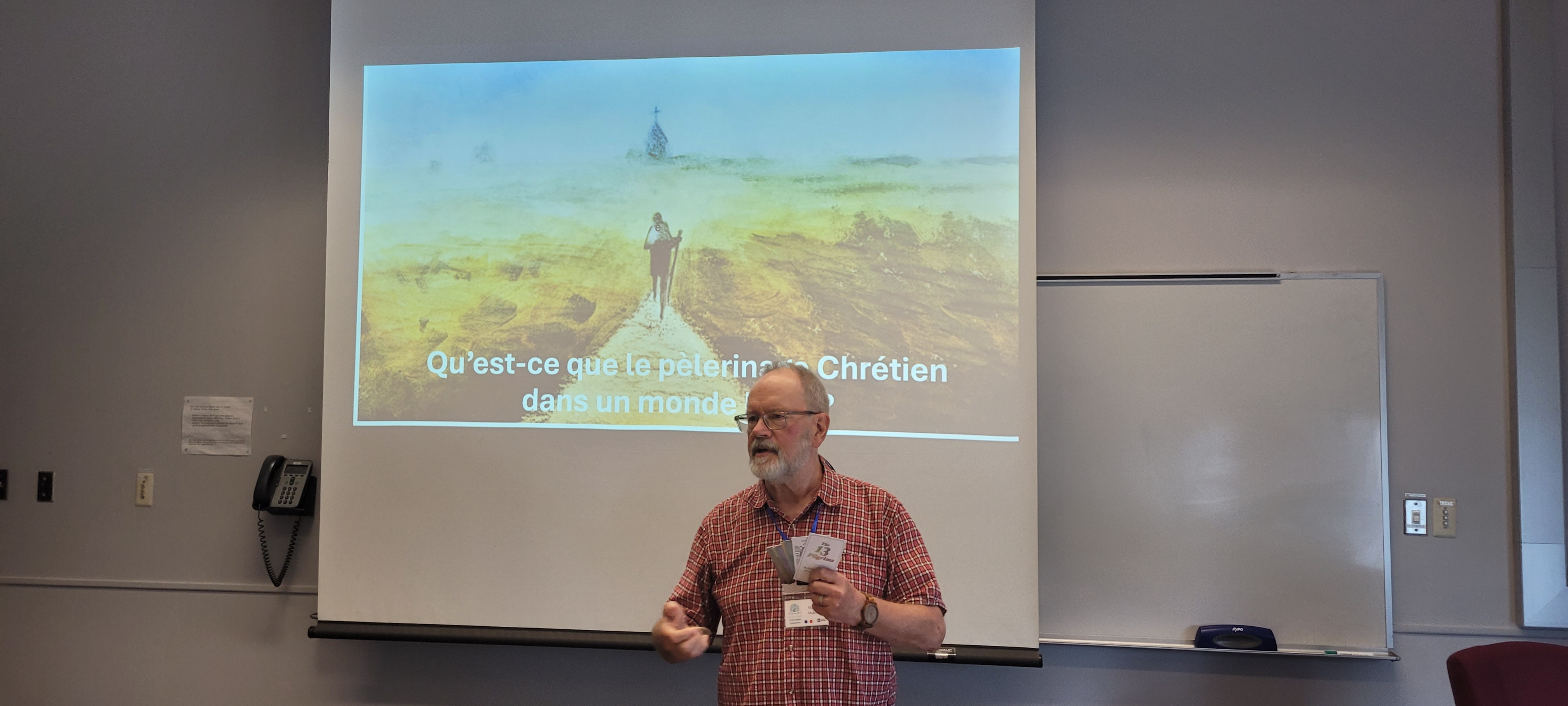
This summer I dared to travel by myself to a conference in Quebec City , and even managed the steep hill to the Old City (but a shout out to David Duncan and Colleen O’Toole for all the rides!). Just recently I started using my left-side pockets again. I often stop something I’m about to do with my right hand and switch to my left: unscrewing the small plastic milk lid, fetching a jar from the fridge – or if I’m brave – from a high shelf. I can tie my shoes again – although annoyingly, I threw away my old laces back when I couldn’t.
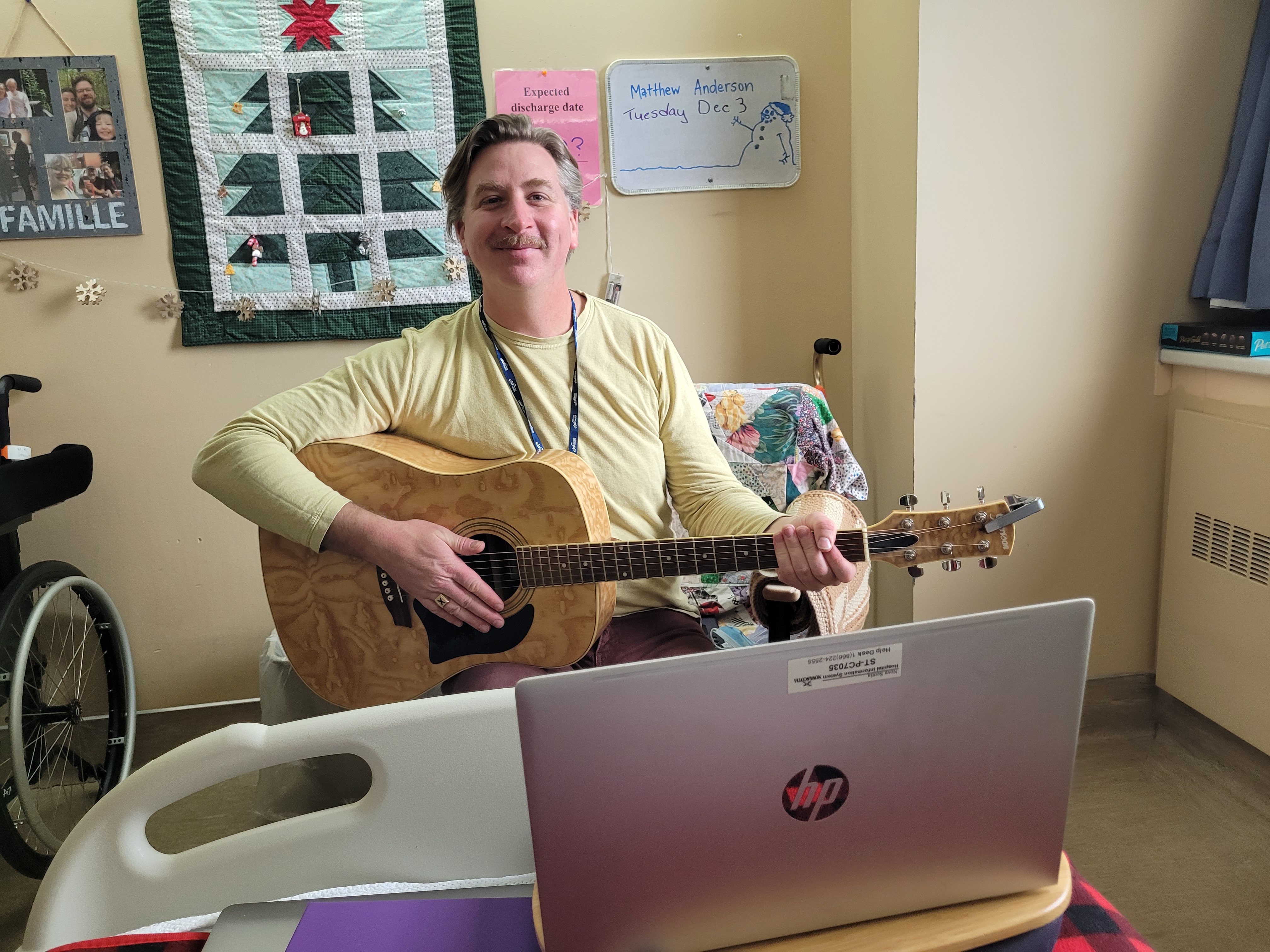
But especially in the mornings and later evenings, sometimes I feel have a robot arm…everything’s so disconnected and jerky. Nonetheless, my guitar playing gets better weekly, helped when I remember that actually, I was never that good!
I do have more “guitar face.” Guitar face is just the continuation, in a more subtle form, of the sympathetic body movements I’ve had to make ever since the resurrection of my left side. The first time I was able to very slightly twitch my left thumb, it was only after minutes of vigorously pumping my right leg up and down, straining my face, and clenching my stomach as if doing sit-ups. That ever-so-slight movement left me exhausted. I remember telling hospital staff I couldn’t show anyone else my thumb because the rest of me was too tired!
Now, in the mornings, my left eyelid sags. I practise raising the droopy offender in front of a mirror, hoping I won’t look too unbalanced for the 8:30 am class I teach at Saint Francis Xavier University.
That left eye is the sign that my entire left side was hit by the stroke – not just my hands and feet. Occasionally, when tired or cold, I still stumble over multi-syllabic words that never would have tripped me before. And my hearing! An “F” and an “S,” or a “T” and a “P” sound so similar I often can’t distinguish them. It’s made for some funny misunderstandings.
Maybe it’s because my arm and hand have improved so much, this summer I’ve been focussed more on trying to improve my walking.
Comorbidity is defined as a “medical condition that exists alongside a primary medical issue and affects your health.” I’ve been so focussed on getting my left leg going I didn’t realize that in the meantime I’d developed a kind of arthritis – it’s turned that side’s big toe inward into a “claw appendage.” That’s one reason my gait hasn’t improved more (try walking while avoiding pushing off from one of your big toes. It’s almost impossible).
So, this summer I bought two different straightening devices, and now I consciously spread my toes whenever I remember. The results are encouraging. I also finally got a foot brace to keep me from snagging my left shoe so much. I’m hoping it will help for longer walks and give my brain a break from having to remember to lift that foot every step.
Everything After Everything Falls Apart
In two weeks, I’m the guest speaker for a gathering of Nova Scotia United Church clergy. I asked them: “what would you like? I could lead a retreat on biblical studies, on pilgrimage, on Leonard Cohen, on settler-Indigenous relations…” They replied: “would you be willing to talk about your stroke, and your life since?”
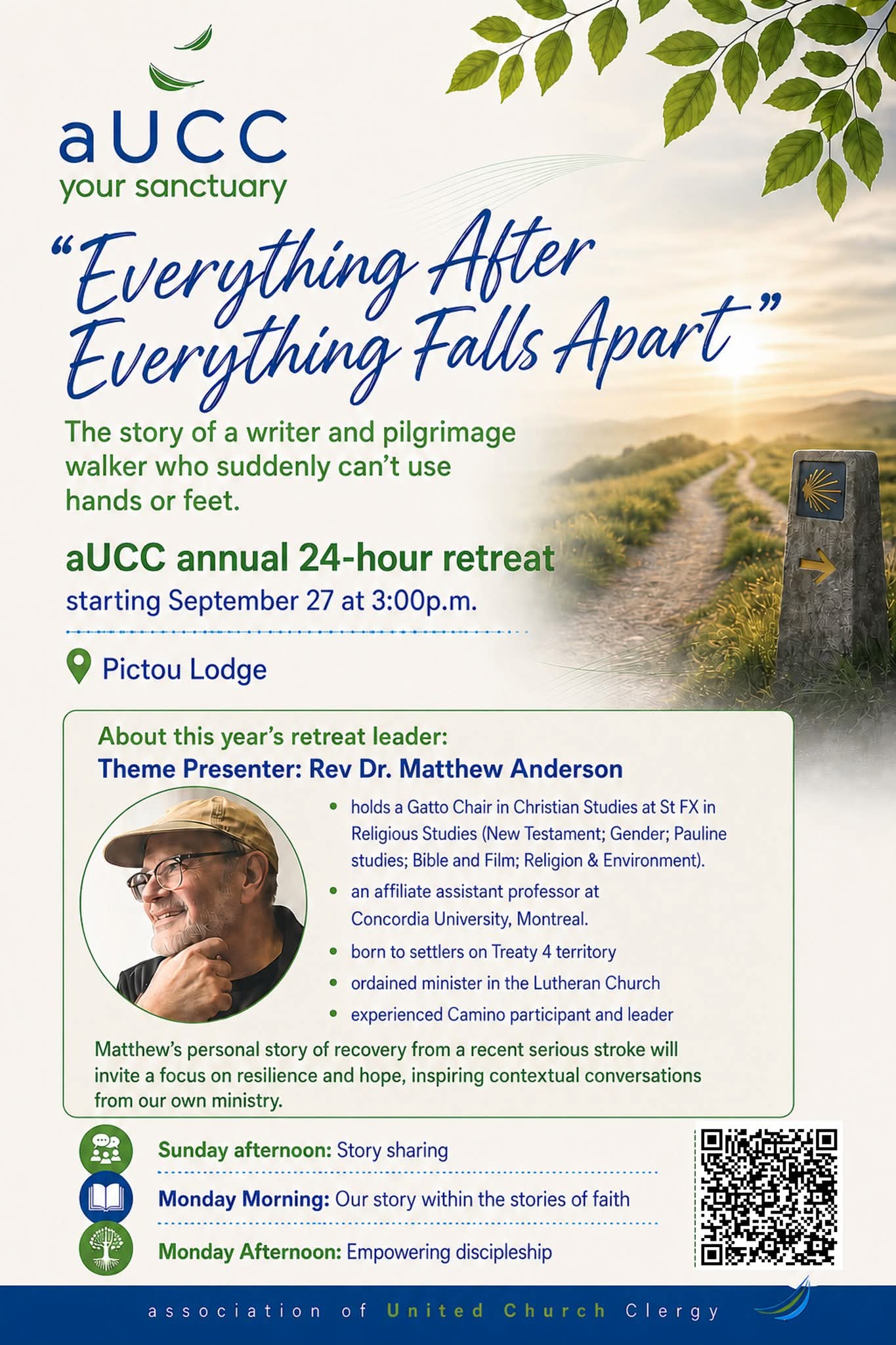
I’m not completely sure what I’ll say. But I’ll start at least, by saying that when everything – absolutely everything – falls apart, it may not feel like it, but it can be a gift. For ourselves. And for empathizing with others.
Two years ago, I was caught briefly between life and death, and I got life. Not because I deserved it. That’s just what happened. For a few critical hours I hung on a pendulum between silence, isolation, and pablum on one side, and full, rich communication on the other. By some miracle of timing, clot placement, and grace I came through the tunnel still able to process thoughts and speak words others could understand. What a gift.
It’s no surprise that every day feels like a privilege. Because it is. That’s true for everyone, of course. All the time. Life is the miracle we spend most of our lives too dulled to notice. But to feel the brush of death’s passing and this time at least, not be taken? Wow. Mostly, I wake up every day remembering that. Every berry I pick shines with more colour, every bite of apple crisp or cheddar cheese or roast chicken tastes more luscious. Sara and I already tended toward gratefulness: my stroke has increased all those Pollyanna attitudes.
I’ve been permanently wounded, but my ongoing and slight disabilities are reminders I’m still here. Every time my toe catches, or my fingers don’t quite work, or my hip lifts, or I misunderstand a word, it’s like fingering a prayer bead. Maybe I’ll say that to the group at the retreat.
Gratefulness isn’t just personal – it’s meant to be social. It’s religious. It’s creative. And it’d better be political. It can, at its best, spill into everything. Our solidarity and our empathy with others are ways of expressing thankfulness: thankfulness for still being here, still being loved, still loving, even after everything falls apart.