Categories
country life stroke-recovery Uncategorized

My Two Year Strokeaversary

ambulance trip for heart surgery

I can’t believe how fortunate I am to be where I am this on this anniversary, slowly typing these words with both hands (!), sitting at our kitchen table.

How It Started

Two years ago, a stroke caused the paralysis of the left side of my body and began a four-month sojourn at St Martha’s Regional Hospital, Antigonish. In those early dark days, as a roughly two-centimeter sphere inside my brain died and a larger area of cerebellum around it went into temporary shock, it looked like I might lose my ability to eat, talk, and even swallow. To hear and to properly understand others. My speech slurred and for a few days I was forbidden solid food. You can read my early thoughts, during those first moments, here.

I’m thankful, every day, that the worst didn’t happen. It happens to others. I was fortunate.

I’m also incredibly thankful I live in a place with a public health-care system. Sara and I did not go bankrupt over my stroke. I was not rushed out of care prematurely. Sure, things weren’t always perfect. Mistakes were made, and not all care workers are equally competent. In any system. But I was looked after for four months, then followed up for a long time, by hard-working professionals who cared deeply about my recovery. Nova Scotia’s creeping (and very intentional) health-care privatization is a threat to outcomes like mine. In our lives, in the lives of neighbours and loved ones, we will all face some of what I did in those months. We need to stand up for patients over profits.

Anyway, after it was clear I’d survived the stroke, thinking and speaking intact, other questions started swirling. Not, ever, from Sara, who just kept showing up day after day that fall, advocating for me, writing notes as doctors and physios came in and out, never questioning this new phase in the autumn schedule, like it was just another work contract that had come up unexpectedly. Not really from me, either, so single-minded on recovery. But from the extremely helpful, caring, and busy health professionals just trying to do their jobs and facilitate my adaptation to a new reality they’d seen many times before: how will you use the bathroom? Do you have stairs at home? We’ll get you a spike to hold vegetables while you cut, a post to help you stand up from the toilet. A shower chair. A walker to move from room to room. And, by the way, you’ve lost your license.

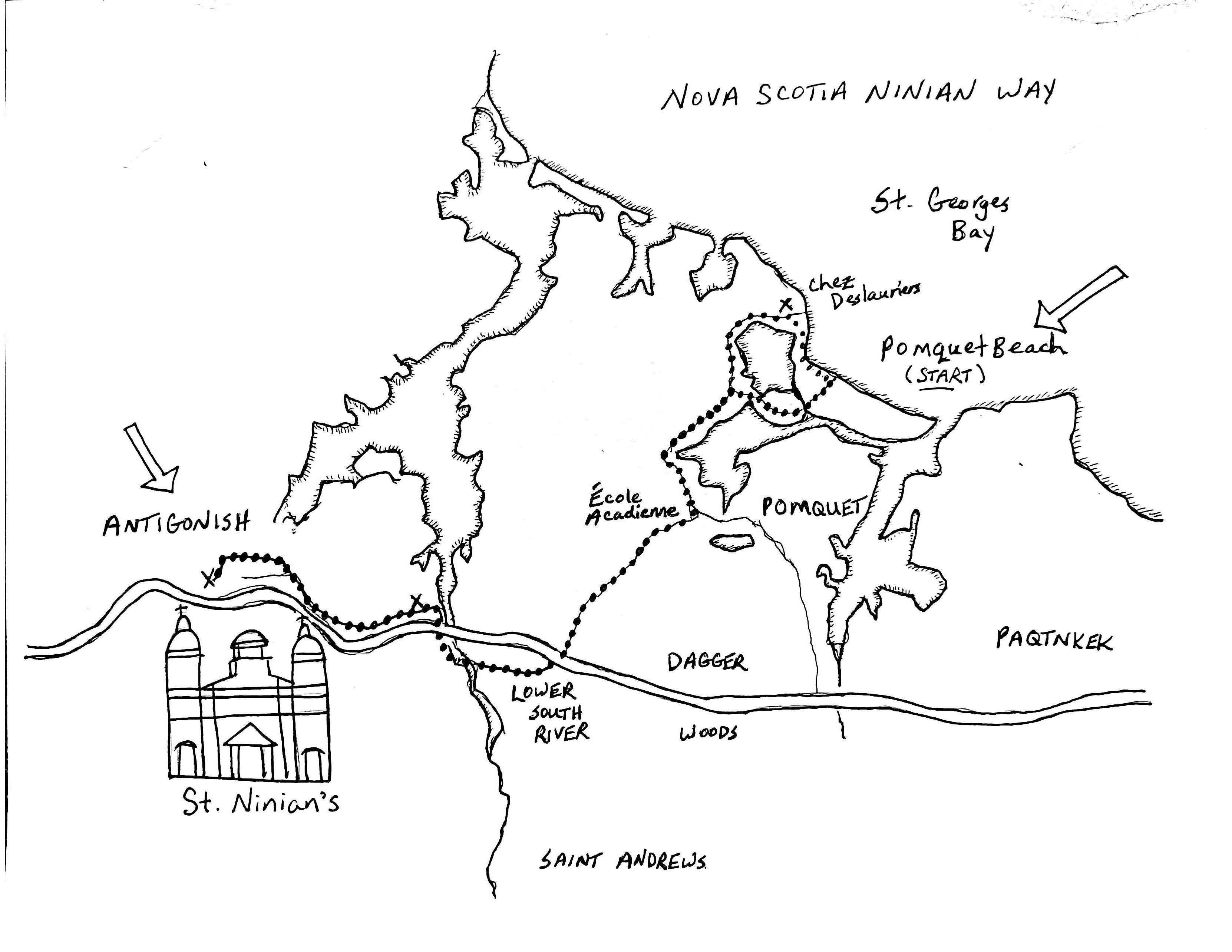
Two days after triumphantly leading a group of walkers on a 25-km jaunt from Pomquet to St Ninian’s Cathedral along roads I optimistically called “The Nova Scotia Ninian Way,” I couldn’t even to get out of my hospital bed without a two-person lift.
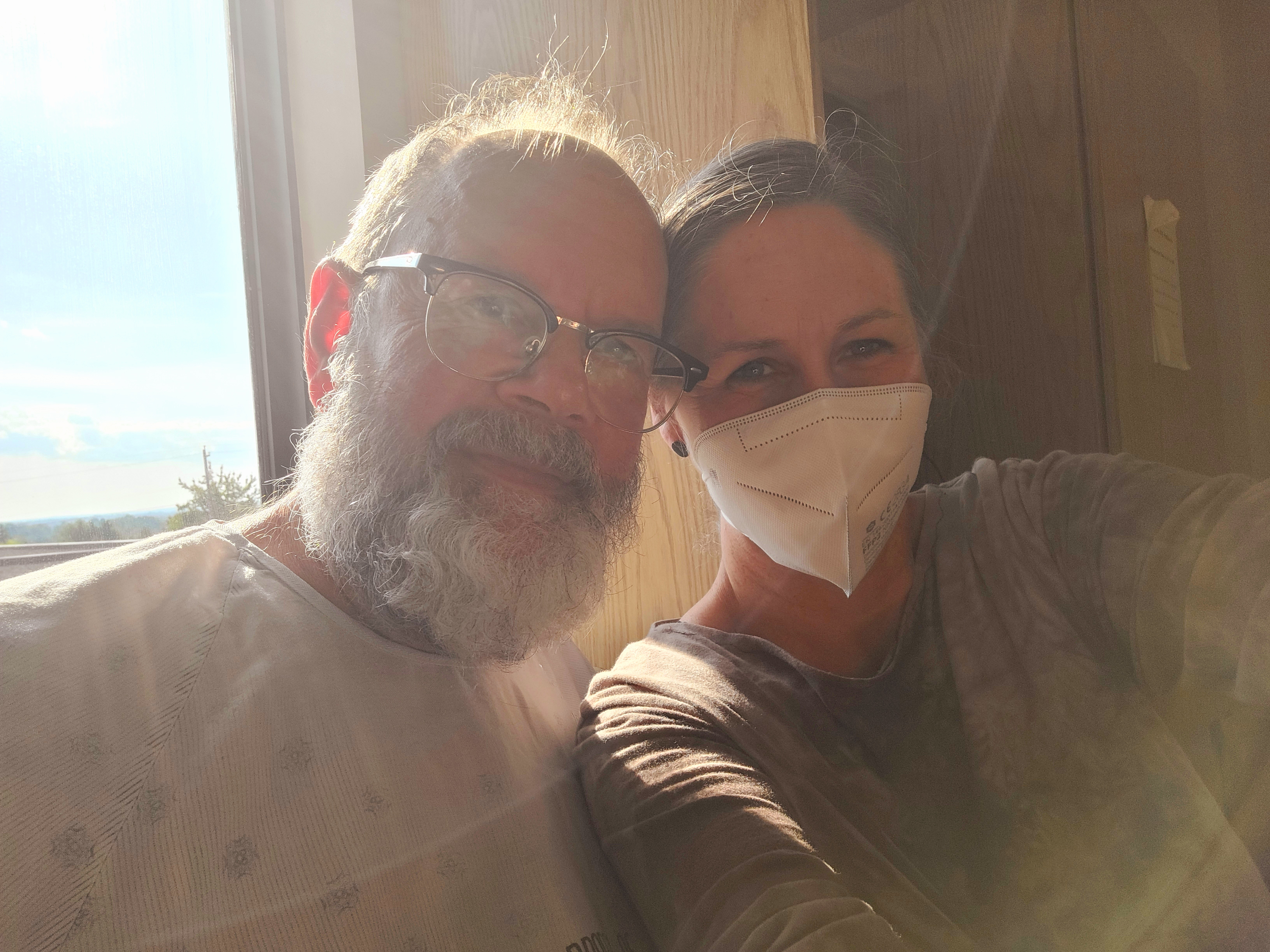
I’d been plucked from my comfortable, happy life and set at the base of a high mountain. No one ever told me (and Sara) we had to climb it. We just did. People have told me we were brave. Perhaps that’s true. I certainly never felt it.

In an instant, my world had been reduced to chrome bed rails, thin sheets over rubberized mattress covers, a call button that was often out of reach, IVs, meds, blood tests, and a body whose left half seemed permanently asleep. My usual varied routine had been exchanged for three hospital meals, two physio sessions a day, one quick physician visit, if I was fortunate, and hours and hours in a wheelchair by a window, left hand lifeless, furiously writing notes with my right to keep my brain active and record what life had become.
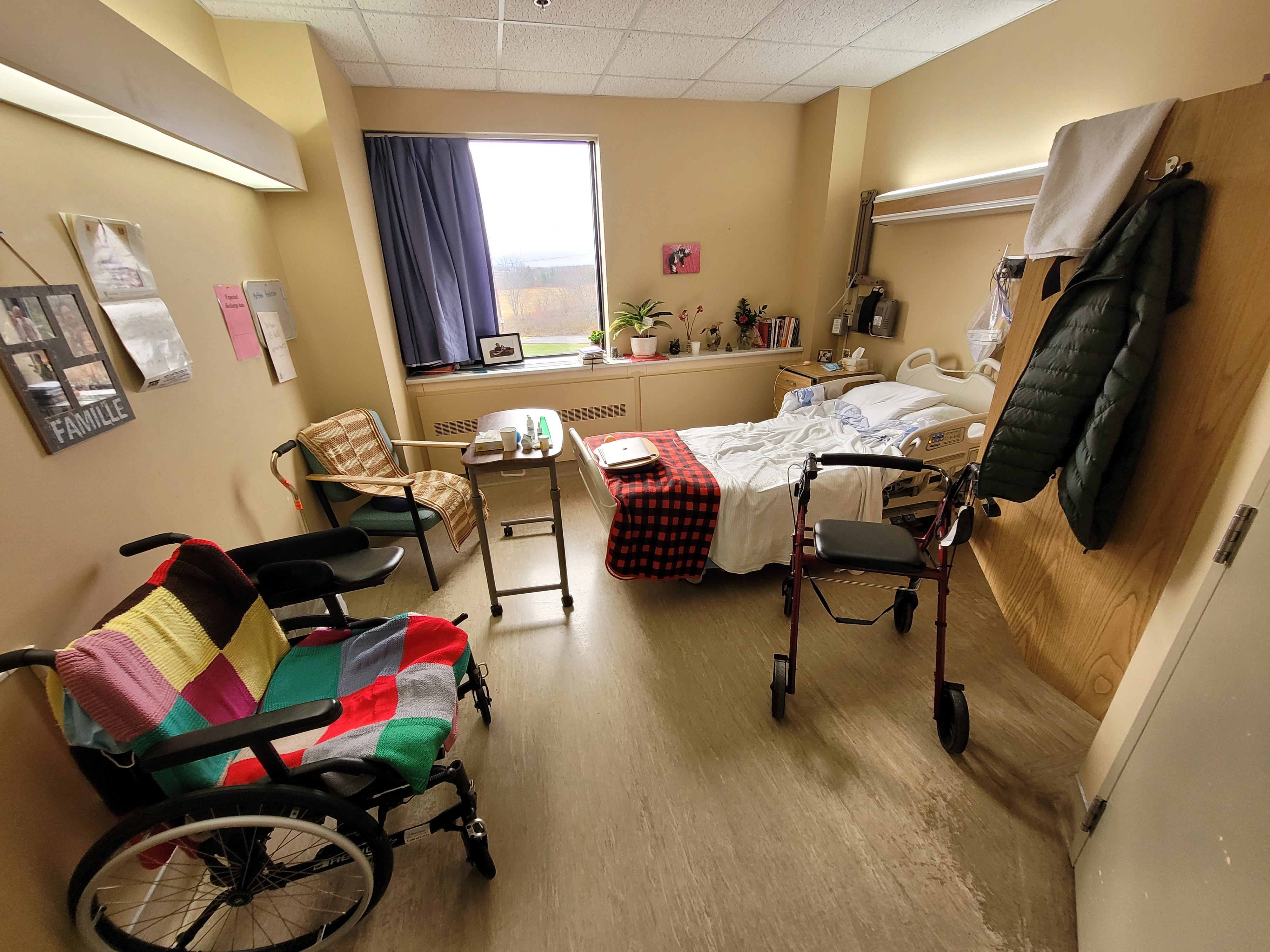
Eventually I realized I had a choice: to apply myself and do my exercises every day – or not. I’m thankful my determination had clicked in. I had flowers and cards almost daily, thanks to a community (many of you!) that kept me going. Sara kept bringing in books, quilts, and art for my room. She arranged things to make me comfortable and, as I came to realize, as a subtle way of reinforcing my individuality and worth to an institution and in the face of overworked systems that sometimes reduce real people to “bed 355B.”

I was admitted September 17th, 2024, discharged Dec 20th. Just in time for Christmas.

First steps, post stroke

How It’s Going

It’s going well! Two years on and I’m not quite back to my old self. Since the aging process stops for no one, maybe that “old self” is forever in the rear-view mirror. But it’s amazing what I can do.

I use no mobility or bathroom/shower aids, and I passed my recertification on what turned out to be the 50th anniversary of my teenaged driver’s test. I have a handicapped parking sticker I enjoy, although I’ve started to feel a bit guilty. I sleep through the night in my own bed. I’ve had heart surgery to repair the hole in my upper chamber where the clot may have slipped through (thank you again, public health care!). I climb stairs using a handrail and although I have a limp I’ve walked up to two kilometres at a go, aiming at more. I can easily crouch to fetch a saucepan from the cupboard. I can hammer a nail, use a spade in the garden, make jelly, and even climb a ladder to hammer a T-post for our saplings needing support. If I’m careful.

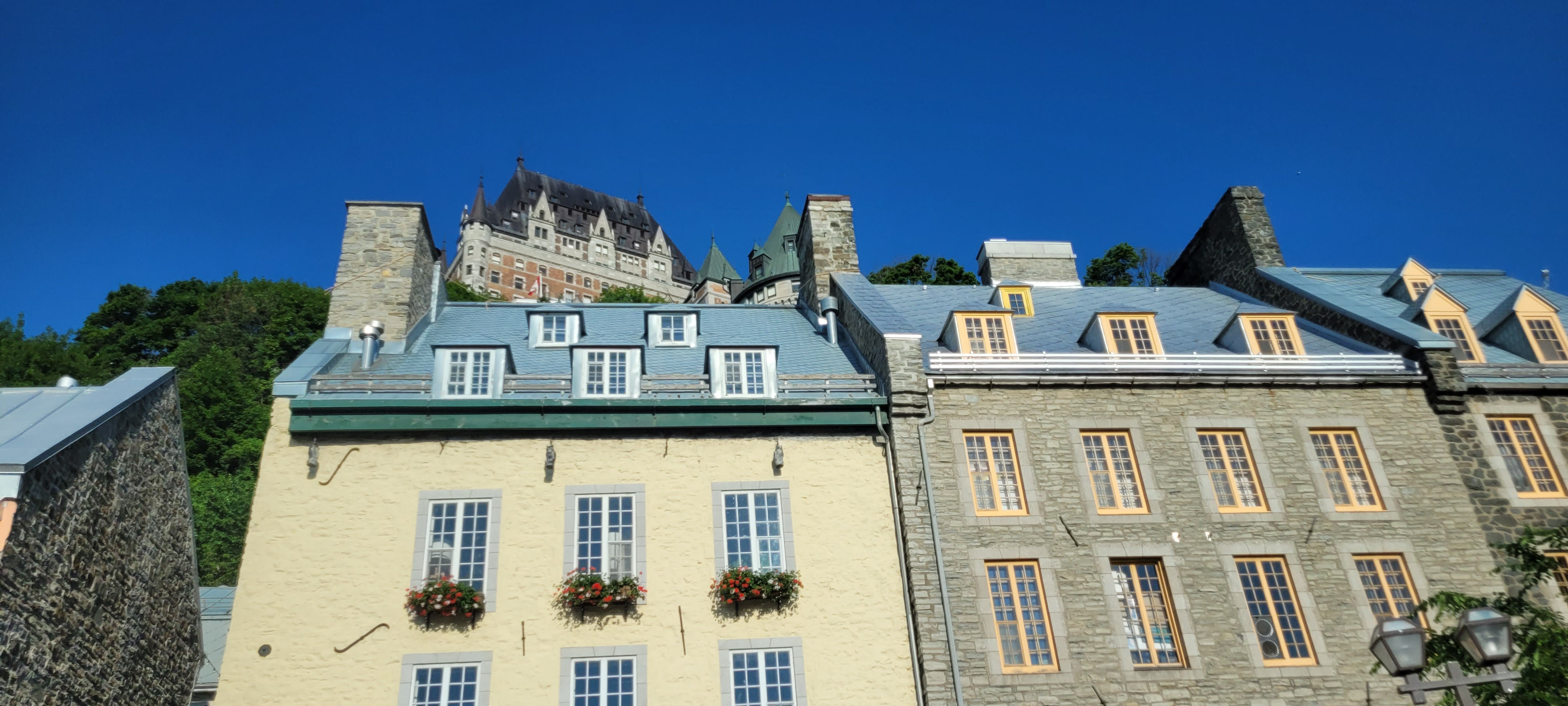
This summer I dared to travel by myself to a conference in Quebec City , and even managed the steep hill to the Old City (but a shout out to David Duncan and Colleen O’Toole for all the rides!). Just recently I started using my left-side pockets again. I often stop something I’m about to do with my right hand and switch to my left: unscrewing the small plastic milk lid, fetching a jar from the fridge – or if I’m brave – from a high shelf. I can tie my shoes again – although annoyingly, I threw away my old laces back when I couldn’t.
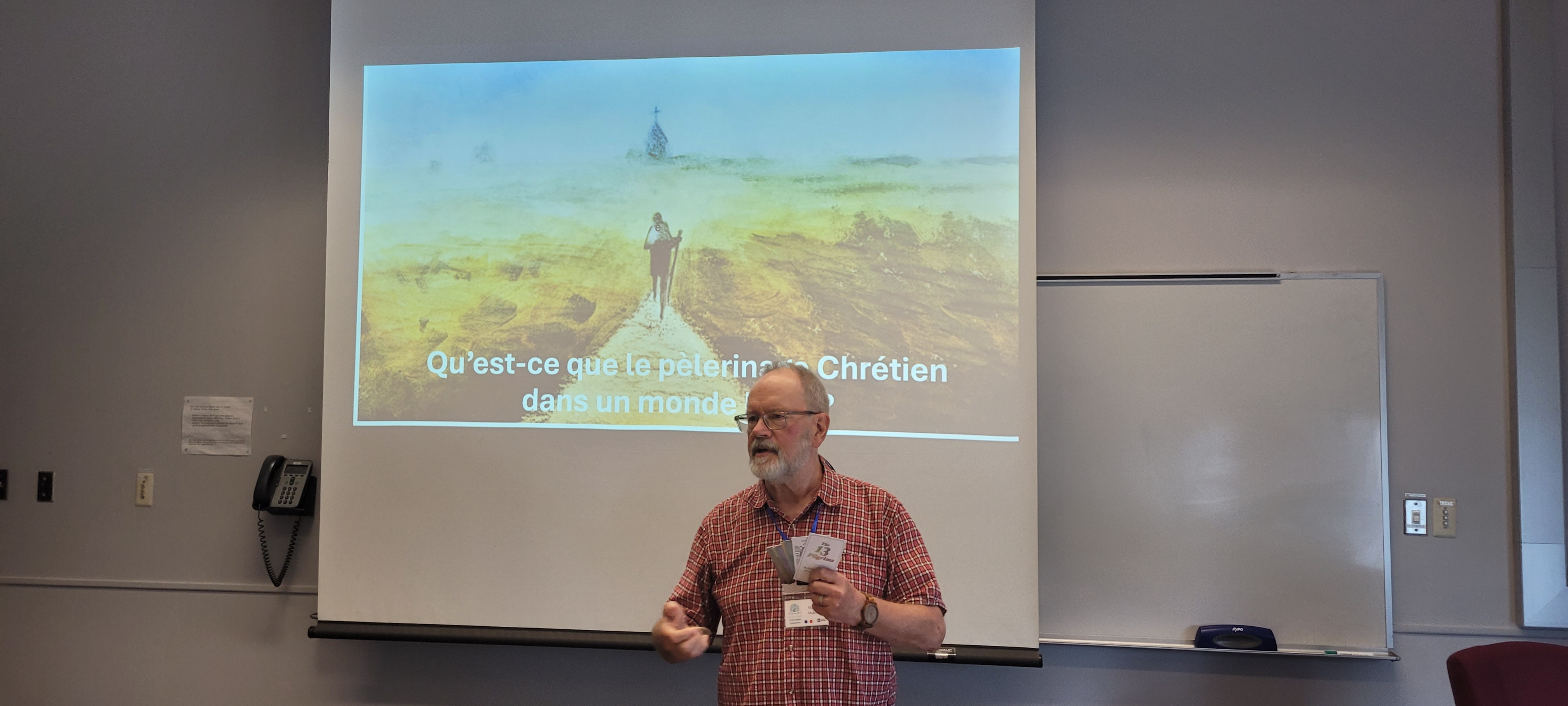
But especially in the mornings and later evenings, sometimes I feel have a robot arm…everything’s so disconnected and jerky. Nonetheless, my guitar playing gets better weekly, helped when I remember that actually, I was never that good!

I do have more “guitar face.” Guitar face is just the continuation, in a more subtle form, of the sympathetic body movements I’ve had to make ever since the resurrection of my left side. The first time I was able to very slightly twitch my left thumb, it was only after minutes of vigorously pumping my right leg up and down, straining my face, and clenching my stomach as if doing sit-ups. That ever-so-slight movement left me exhausted.  I remember telling hospital staff I couldn’t show anyone else my thumb because the rest of me was too tired!

Now, in the mornings, my left eyelid sags. I practise raising the droopy offender in front of a mirror, hoping I won’t look too unbalanced for the 8:30 am class I teach at Saint Francis Xavier University.

That left eye is the sign that my entire left side was hit by the stroke – not just my hands and feet. Occasionally, when tired or cold, I still stumble over multi-syllabic words that never would have tripped me before. And my hearing! An “F” and an “S,” or a “T” and a “P” sound so similar I often can’t distinguish them. It’s made for some funny misunderstandings.

Maybe it’s because my arm and hand have improved so much, this summer I’ve been focussed more on trying to improve my walking.

Comorbidity is defined as a “medical condition that exists alongside a primary medical issue and affects your health.”  I’ve been so focussed on getting my left leg going I didn’t realize that in the meantime I’d developed a kind of arthritis – it’s turned that side’s big toe inward into a “claw appendage.” That’s one reason my gait hasn’t improved more (try walking while avoiding pushing off from one of your big toes. It’s almost impossible).

So, this summer I bought two different straightening devices, and now I consciously spread my toes whenever I remember. The results are encouraging. I also finally got a foot brace to keep me from snagging my left shoe so much. I’m hoping it will help for longer walks and give my brain a break from having to remember to lift that foot every step.

Everything After Everything Falls Apart

In two weeks, I’m the guest speaker for a gathering of Nova Scotia United Church clergy. I asked them: “what would you like? I could lead a retreat on biblical studies, on pilgrimage, on Leonard Cohen, on settler-Indigenous relations…” They replied: “would you be willing to talk about your stroke, and your life since?”
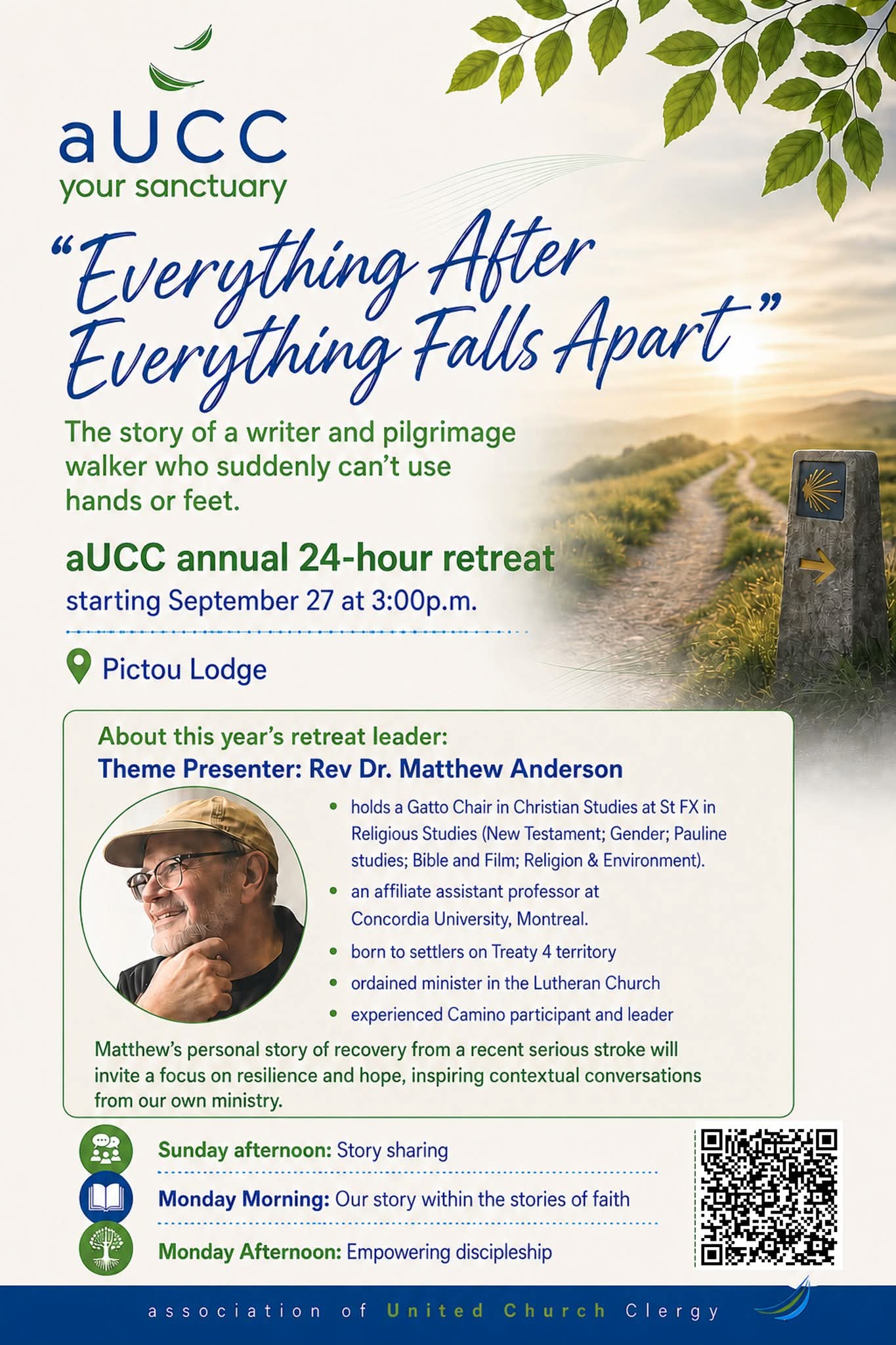
I’m not completely sure what I’ll say. But I’ll start at least, by saying that when everything – absolutely everything – falls apart, it may not feel like it, but it can be a gift. For ourselves. And for empathizing with others.

Two years ago, I was caught briefly between life and death, and I got life. Not because I deserved it. That’s just what happened. For a few critical hours I hung on a pendulum between silence, isolation, and pablum on one side, and full, rich communication on the other. By some miracle of timing, clot placement, and grace I came through the tunnel still able to process thoughts and speak words others could understand. What a gift.

It’s no surprise that every day feels like a privilege. Because it is. That’s true for everyone, of course. All the time. Life is the miracle we spend most of our lives too dulled to notice. But to feel the brush of death’s passing and this time at least, not be taken? Wow. Mostly, I wake up every day remembering that. Every berry I pick shines with more colour, every bite of apple crisp or cheddar cheese or roast chicken tastes more luscious. Sara and I already tended toward gratefulness: my stroke has increased all those Pollyanna attitudes.

I’ve been permanently wounded, but my ongoing and slight disabilities are reminders I’m still here. Every time my toe catches, or my fingers don’t quite work, or my hip lifts, or I misunderstand a word, it’s like fingering a prayer bead. Maybe I’ll say that to the group at the retreat.

Gratefulness isn’t just personal – it’s meant to be social. It’s religious. It’s creative. And it’d better be political. It can, at its best, spill into everything. Our solidarity and our empathy with others are ways of expressing thankfulness: thankfulness for still being here, still being loved, still loving, even after everything falls apart.
Categories
Uncategorized

11-Month Strokeaversary: an update in 9 gerunds

What better therapy than dancing with Gabe? (video below)

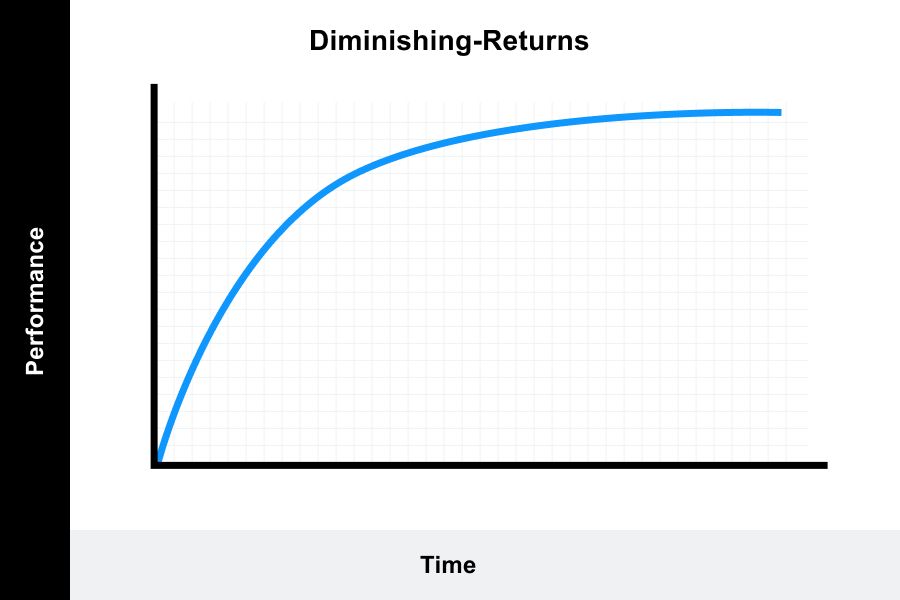
As the ONE-YEAR anniversary of my stroke approaches – wow! – my recovery continues to follow the quick rise and flattening curve (see below) that the medical staff predicted for me, as for other stroke survivors. And it’s true – eleven months in, the changes are more subtle. However, every week there inevitably still turns out to be some marked improvement. My physio supervisor, Jessica, tested me last week and told me I’m much stronger in my leg than just a month ago, and my left arm has also strengthened considerably in recent weeks. The Theraband exercises must be helping.

My recovery has gone far, far beyond what many of my doctors and medical team initially predicted in the dire days of last fall. With Sara’s urging, I continue to believe that the curve will never flatten out completely. As the book Stronger After Stroke maintains, there never needs to be a complete plateau to recovery, for a stroke survivor who is fortunate enough to have good support, a stabilized health condition, and dogged determination to work together with the brain’s natural plasticity.

So on this 11th-month strokeaversary, here’s some of what recovery has looked like!

Theraplaying

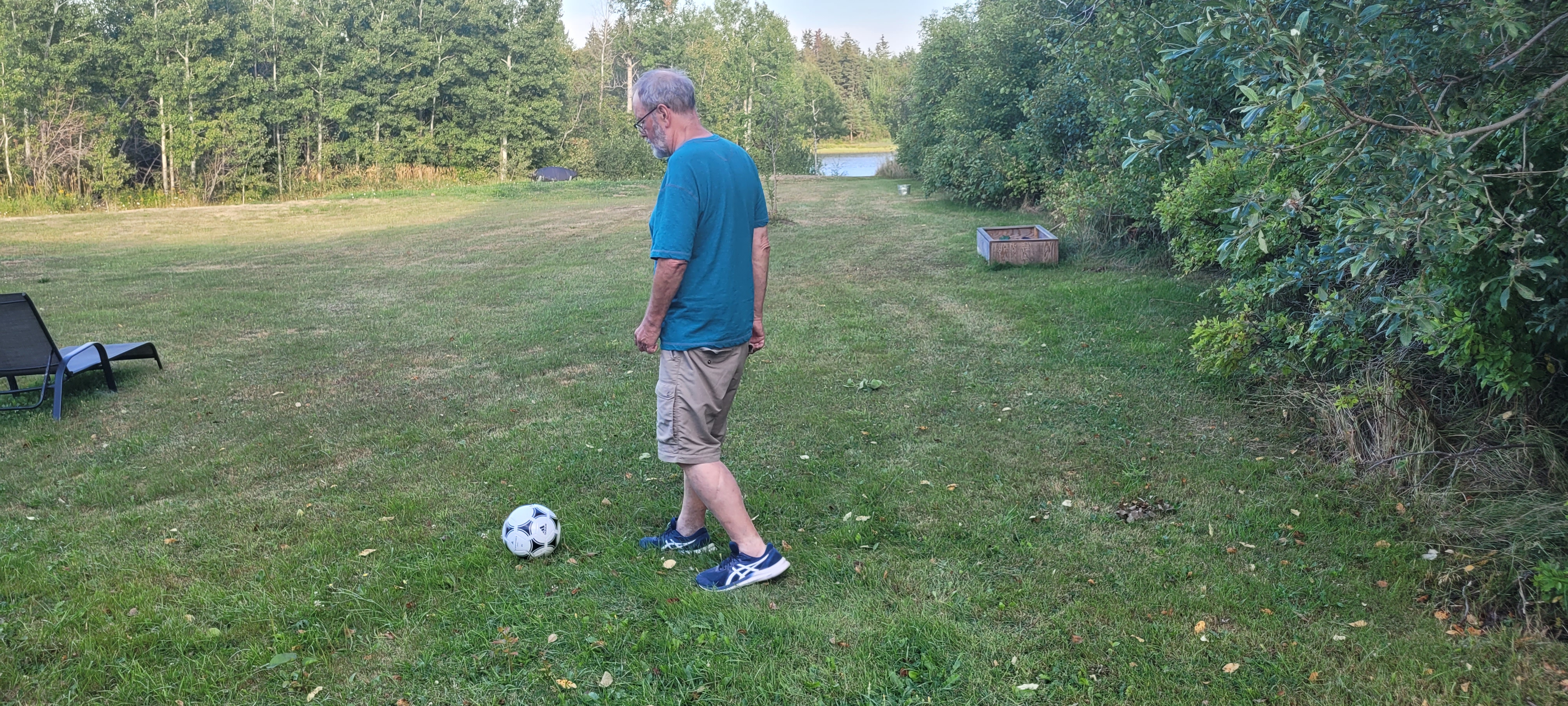
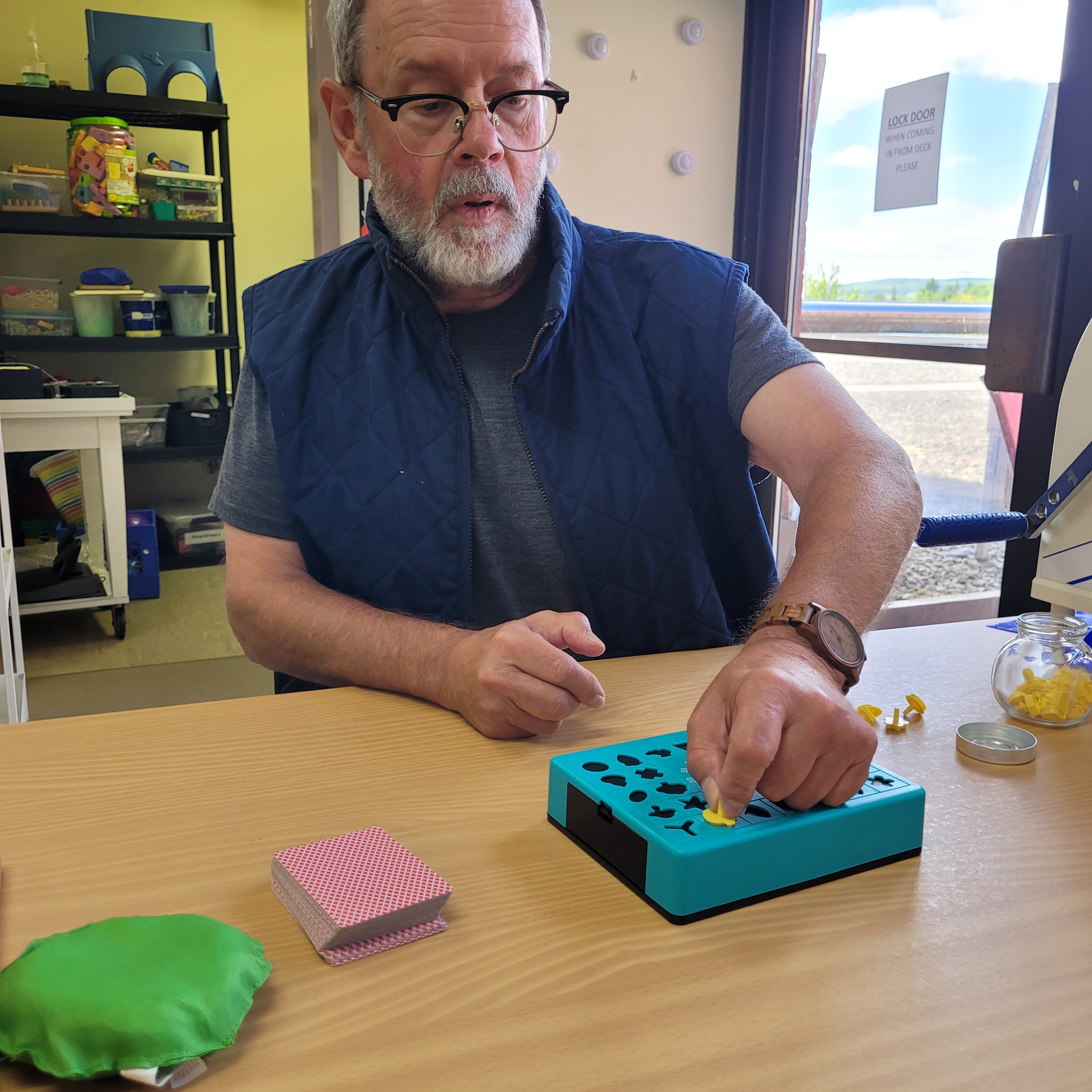
The wonderful physical therapy and occupational therapy folks at St. Martha’s Regional Hospital are starting to hint that I can’t be an outpatient forever. Of course, they’re right. “As much as we like you and look forward to our sessions,” they tell me, “we have to make room in our case load for new patients…” The hospital has been incredibly generous, and I’ve come to really love my outpatient team. I moved from two sessions a week to one only this last month. Colin, the smart and thoughtful tech who took over from the equally helpful physio tech Janna, is now regularly kicking a soccer ball with me. The catch: I have to use only my left foot. I’m finding that soccer and the funny-face bean-bag toss are my favourite therapy activities. Like a toddler, I’m improving my balance, coordination, and hand movements through play, which makes it seem (almost) easy.

Medicating

After my heart surgery in April to close a PFO (the hole between the upper chambers of my heart), the Halifax surgeon put me on precautionary Plavix, to guard against post-operative complications. I just came off of it and I couldn’t be happier. I’ve been bruising after every blood test (one time the blood actually spurted out) and also when I bump or ding myself as so often happens in summer gardening and construction season. I remain on low-dose Aspirin and a suite of blood pressure pills. But my GP and the cardio team at the hospital have dialled back even these a bit, and now I can crouch and stand up without threatening to black out. Sitting on my haunches to look in a cupboard reminds me of my old self.

Straightening

It was Lindsay, the incredibly gifted and helpful Occupational Therapist at the Nova Scotia Rehabilitation Centre in Halifax, who suggested “Oval 8 Finger Splints” for my left hand’s fingers most reluctant to recover – my ring finger and my pinkie. My pinkie has been broken a few times over the years of basketball and tended to go its own way even before the stroke. I find the splints helpful at the end of a busy day when my fingers tend to curl and stiffen. My typing is improving slightly, although when my left hand quickly tires, those two fingers droop and tend to type their own messages.

Hearing

Of the many effects of the stroke, one of the most subtle has been a slight alteration in my hearing, or more accurately perhaps, my brain’s processing of what I hear. I’ve noticed more trouble understanding Sara when she’s in another room, or there’s ambient noise.

At the same time, my need to focus more carefully on whatever I’m doing so as not to lose balance, trip, or drop something, means my ability to multitask, including “listening, while…,” has diminished. And, I’m not young anymore.

So my audiologist appointment finally came through. The audiologist took me into a sealed quiet room, ran tests on both ears, then gave a series of tests I had to respond to.

The results? Apart from the normal post-stroke inability to multitask because of increased need for concentration, my ears are typical old guy’s ears: some age-related hearing loss, and that’s it.

I actually enjoyed the challenge of having four numbers spoken at once into both ears and having to try to correctly identify them!

Canning

When Gabe, my youngest, came to visit in August with Ray, they said they wanted to do some jelly-making like we did last year. The Saskatoons were done and it was a bit early for the chokecherries, but the jelly turned out well.

Our place is prolific for berries despite the scary and record-breaking drought. I spent hours picking Saskatoons earlier in the season, and our strawberries and grapes are plentiful.

Holding boughs with my left hand while picking berries with my right turns out to be good therapy, too.

Dancing

Gabe’s visit this month also gave me a chance to re-learn and re-try the swing steps we’ve done so many years together, and also to re-learn some of the guitar chords my fingers have forgotten, from all the songs we used to play together. I’m thankful.

If you watch the video (click on the photo below), you’ll see how my face goes mask-like (not direct stroke damage but because I’m concentrating on not falling), my left arms wants to pull in and tighten, and I lose my balance briefly. But overall, what a joy, and what an improvement! Sara has been keeping up my dance therapy since Gabe left…

Reading

My worlds overlapped recently when The Canada Lutheran asked Sara to write a column for their regular Q&A feature. As usual, Dr. Sara Parks, who is a consummate teacher and communicator, produced something interesting, academically solid, and pitched perfect for non-academics. Have a read below.

I recently finished Tanis MacDonald’s wonderful book Straggle. I highly recommend it – it’s full of beautiful writing and profound observation. And Tanis’s thoughts on “ungainly” walking fit my new post-stroke life so well….

Travelling, Walking, & Celebrating

This was also the month that I took my first solo plane trips. I’d been invited west to celebrate the tenth anniversary of our Wood Mountain – Cypress Hills trek in the summer of 2015, featured in my book The Good Walk (URP, 2024). The Saskatchewan History and Folklore Society, which has spearheaded the walks since, was having its board meeting at Wood Mountain in conjunction with the event.

Even though Sara could not accompany me to hoist bags, hold my hand and generally be my security blanket, I was lucky that my brother Mark and sister-in-law Barbara (a recently-retired physio) were there to meet me in Regina. We stayed in their camper at Woodboia Camp near the Wood Mountain Historic Site (the NWMP Fort at Wood Mountain). That’s where Hugh Henry, Richard Kotowich, Hayden Thomassin and I started out 10 years ago to walk the 350-km North-West Mounted Police Patrol Trail (Traders’ Road) across Treaty Four territory.

10 years later, posing with Hugh Henry of the Sask History and Folklore Society

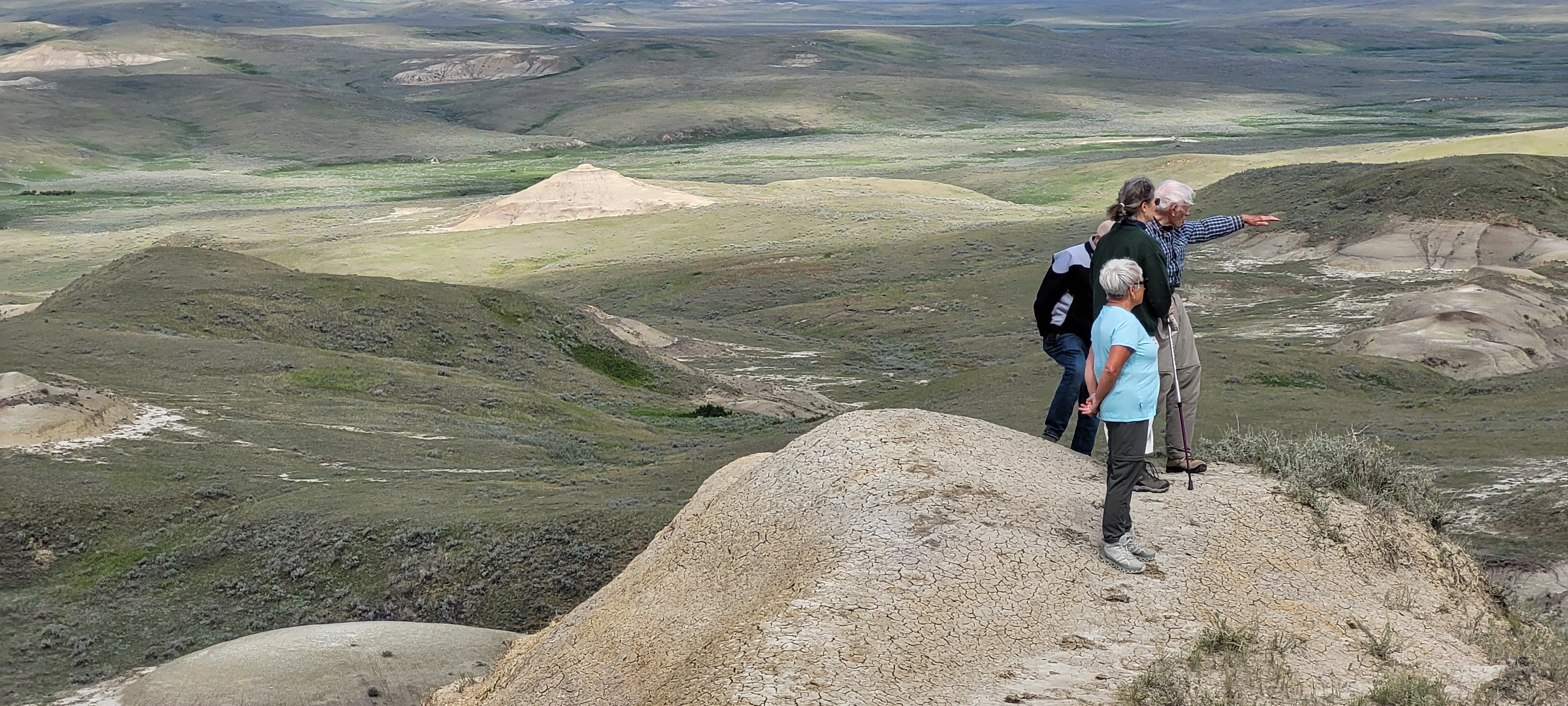
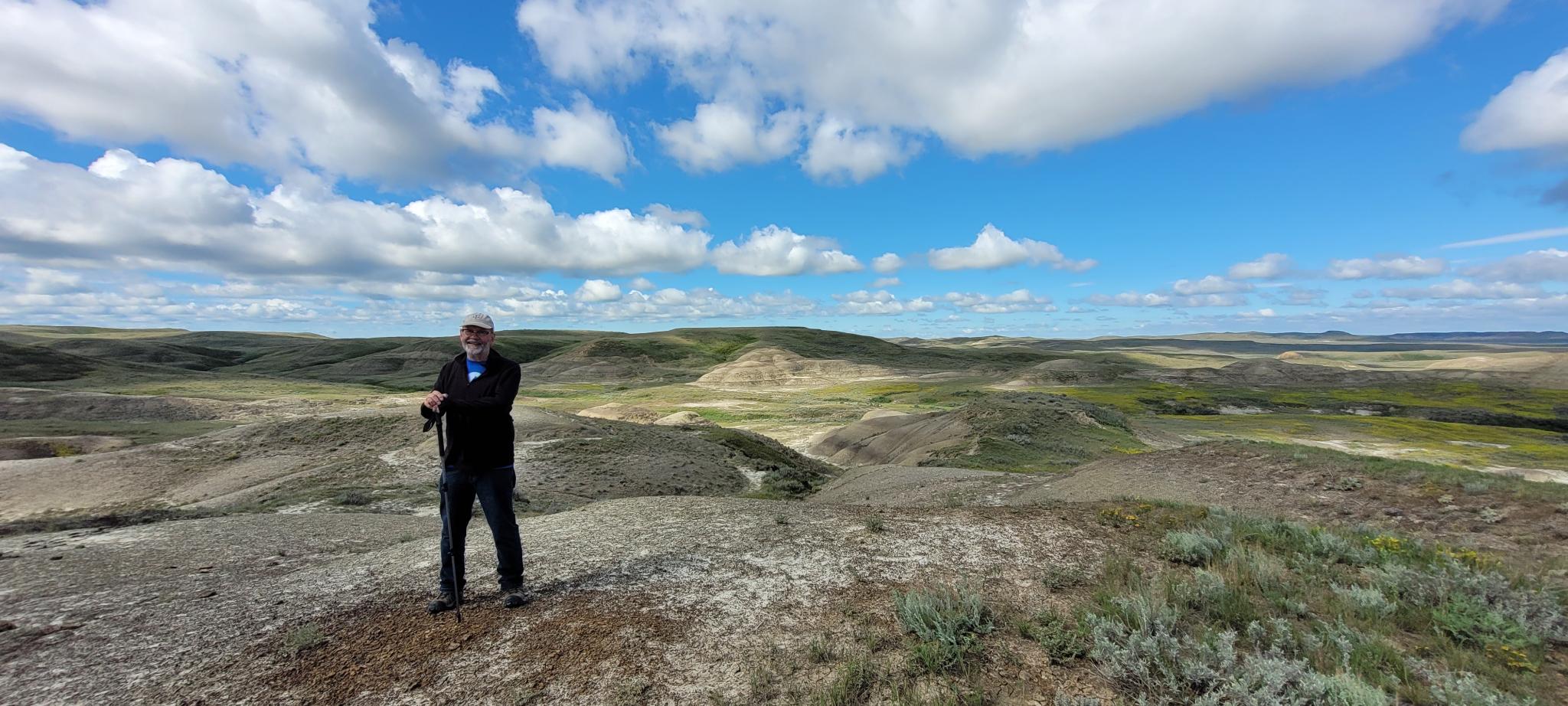
Among the highlights of my trip was visiting the Badlands in the “East Block” at Grasslands National Park. If you ever have the chance, be sure to visit this incredible place.

One of the most significant tests of my recovery was putting on my hiking boots (this time, with elastic laces) and re-walking a portion of the trail from Wood Mountain to the Lakota First Nation. Ten years ago, we did the three miles easily in the morning. This time, I cut out when the trail got muddy and hard to walk, and rejoined later. I managed to walk about a mile and a half in total.

Another highlight was meeting Dr. Claire Thomson, who led us around the historic site at Wood Mountain and gave both an academic and a personal history of the area. Dr Thomson is a descendant of one of the early North-West Mounted Police officers, and of his Lakota wife. Her PhD research on the Lakota history of Wood Mountain won the prize for best doctoral thesis in Canadian Studies recently…I quoted her in The Good Walk and was delighted to meet her in person.

Authoring

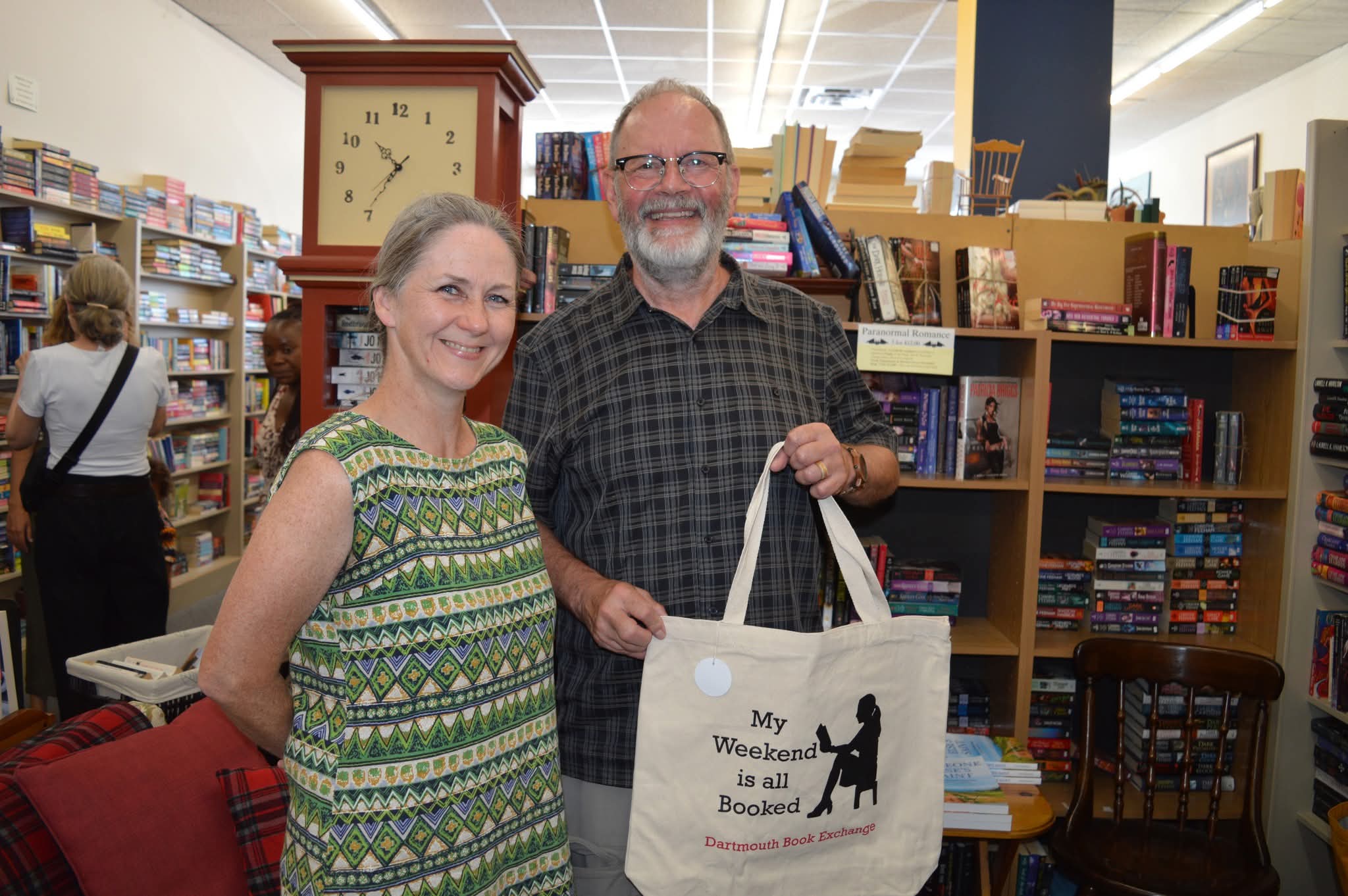
At the Regina Chapters-Indigo store I spent an afternoon meeting old friends and new, and signing books. It was great that my western trip gave me that chance. Also this month I had a chance to sign books and present Someone Else’s Saint: How a Scottish Pilgrimage Led to Nova Scotia (Pottersfield, 2025) at the wonderfully-full and fascinating Dartmouth Book Exchange. It’s an incredible place, well-worth a visit!

My life as an author looks like it will keep me busy into the fall as well. In September the Atlantic School of Theology is hosting me for a series of six online lectures on Leonard Cohen and Saint Paul, following up on my book Prophets of Love (MQUP, 2023). You can find more info on those lectures by clicking the “Almost Like the Blues” link HERE.

This week my interview with CBC Radio One Cape Breton’s Wendy Bergfeldt came out on the afternoon show “Main Street.” God bless the public broadcaster! I was excited for my first Nova Scotia CBC interview…and our talk went so well it was broadcast over three separate afternoons! It was wonderful meeting Wendy – it turns out we have LOTS in common: growing up from Scandinavian settler grandparents in SK, attending the U of S in Saskatoon during the same years, living in the UK for a while, and then settling in Nova Scotia. Oh, and did I mention? A shared interest in decolonization, history, and pilgrimage! I’ll post the links to the interview soon. (In case you missed it, my earlier CBC Montreal interview with Sonali Karnick can be heard here).

Next Month: One Year

Soon it will be a full year since my stroke. I’ll be marking the occasion, for sure. Will I be celebrating? I’m not sure what to say.

My stroke cost me a lot that I haven’t yet regained: my sense of secure balance, my ability to walk long distances, to run, to dance smoothly, and to play songs smoothly on the guitar. And crucially, I can’t type with both hands like I used to, which is how I’ve written my essays, lectures, and books.

BUT: the stroke helped me realize what a community of support is around me, how good so many people are, what an incredible partner I have, and how precious life and health is. I’m thankful every day for just being able to walk and speak (and pee and shower!), teach, read, think, and do what passes for a “normal” life for me. Much less all that’s listed above.

In the end, it’s all gift. Because of my stroke last fall, I realise that now more than ever.

So, see you next month! I wonder what surprises await?

Sara found a more elegant solution for dripping juice than the complicated ladder-thingy I typically used.
Categories
Uncategorized

Our Own Green Acres

Have you heard of the 1960s TV comedy series “Green Acres”? It starred Eddie Albert as Oliver Wendell Douglas and Eva Gabor as Lisa Douglas. Oliver and Lisa were a socialite New York City couple who moved from their urban penthouse apartment in Manhattan to a run-down place in the country to fulfill Oliver’s dreams of being a farmer. Oliver would drive the tractor wearing a suit and tie, and Lisa did chores in lace nighties or designer dresses while wearing her pearls. The locals were anything but yokels, and a lot of the plotlines revolved around Eddie getting himself into some pickle and having to be bailed out by bemused neighbours and their advice. (For those interested in such things, there was an interesting subplot with the locals and Lisa being able to hear the theme music and credits, while Eddie was blissfully unaware).

I barely remember the show. But it must have stuck somewhere. More than once this last year, while out trimming bushes or picking up wood or fixing a mower I’ve found myself humming “Goodbye city life, Green Acres we are there.”

Our two acres in Pomquet Nova Scotia (Mi’kma’ki territory) has no run-down century farmhouse, but a Kent mini-home. But after decades of living in Montreal, Nottingham, and Dublin, what I see when I look up is as different from the storefronts and sidewalks and constant traffic I’d grown used to as Green Acres was from the Big Apple. Here, the nights are quiet and dark – so still you can sometimes hear the blood in your ears. Two packs of coyotes often sing across the river to each other at dusk. On afternoon “golden hours” the light suffuses our marshy inlet, turning trees and water into some kind of Flemish Renaissance painting. The big excitement now is not a new café or a street festival, but five blue herons at once, a bald eagle low overhead, or the day we spied a pair of puffins in the salt marsh. Or eggs left on our doorstep by the neighbour, so fresh they’re still warm.

“Next year we’ll harvest some of those.”

From not owning a car for over twenty years, we now have two. Our bikes, once our main mode of commuting, sit idle, but we spend more time than we’d like on the ride-on mower. I’ve had to re-remember habits I’d forgotten: how to brace a gas can so it doesn’t tip over in the trunk, how to file the points and clean up a spark plug, changing oil, raking and shovelling and planting. How to safely burn brush, and the best way to cook sausages over the embers. I haven’t consulted a bus schedule in months – but we check the wind speeds and rainfall every day.

A year ago this month, when we moved back to Canada and first saw this land, there were ripe chokecherries filling the bushes along the driveway. We had five suitcases, our cat Sweet Pea, and each other, but nothing else. “Next year,” I told myself, “Next year we’ll harvest some of those.”

Things always happen more slowly than one would like. In just one year we haven’t even scratched the surface of our dreams and “druthers”. But this week I made chokecherry jelly. Plenty of mosquito bites went into getting those berries. But that first bite of a fresh roll with chokecherry jelly was just about perfect. These really are “green acres.” And we really are there.